
 English
 русский
 Español
- TM80 Automatic Single Head Tube End Forming Machine
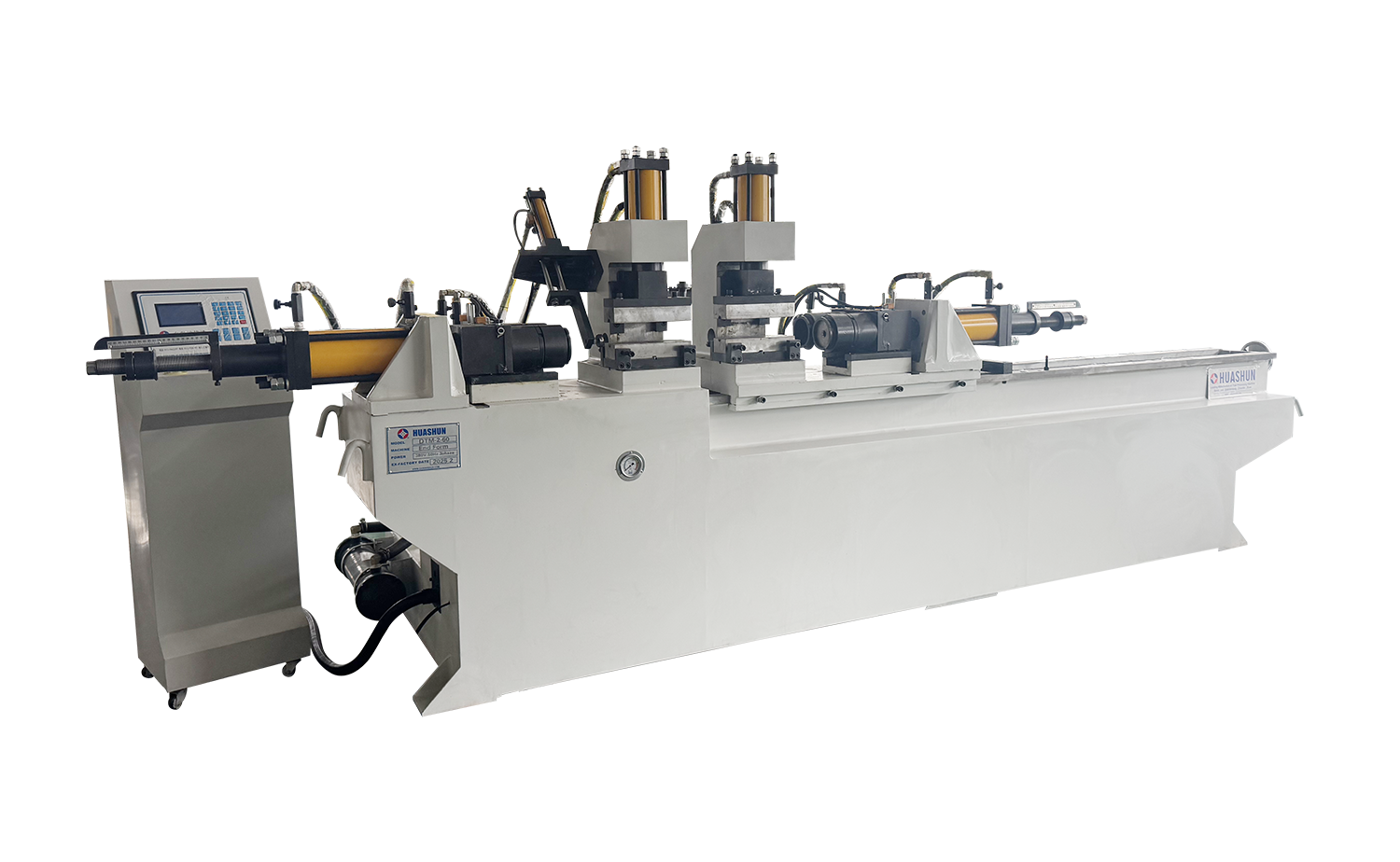
- DTM40 High Efficiency Double Head Hydraulic Tube End Forming Machine
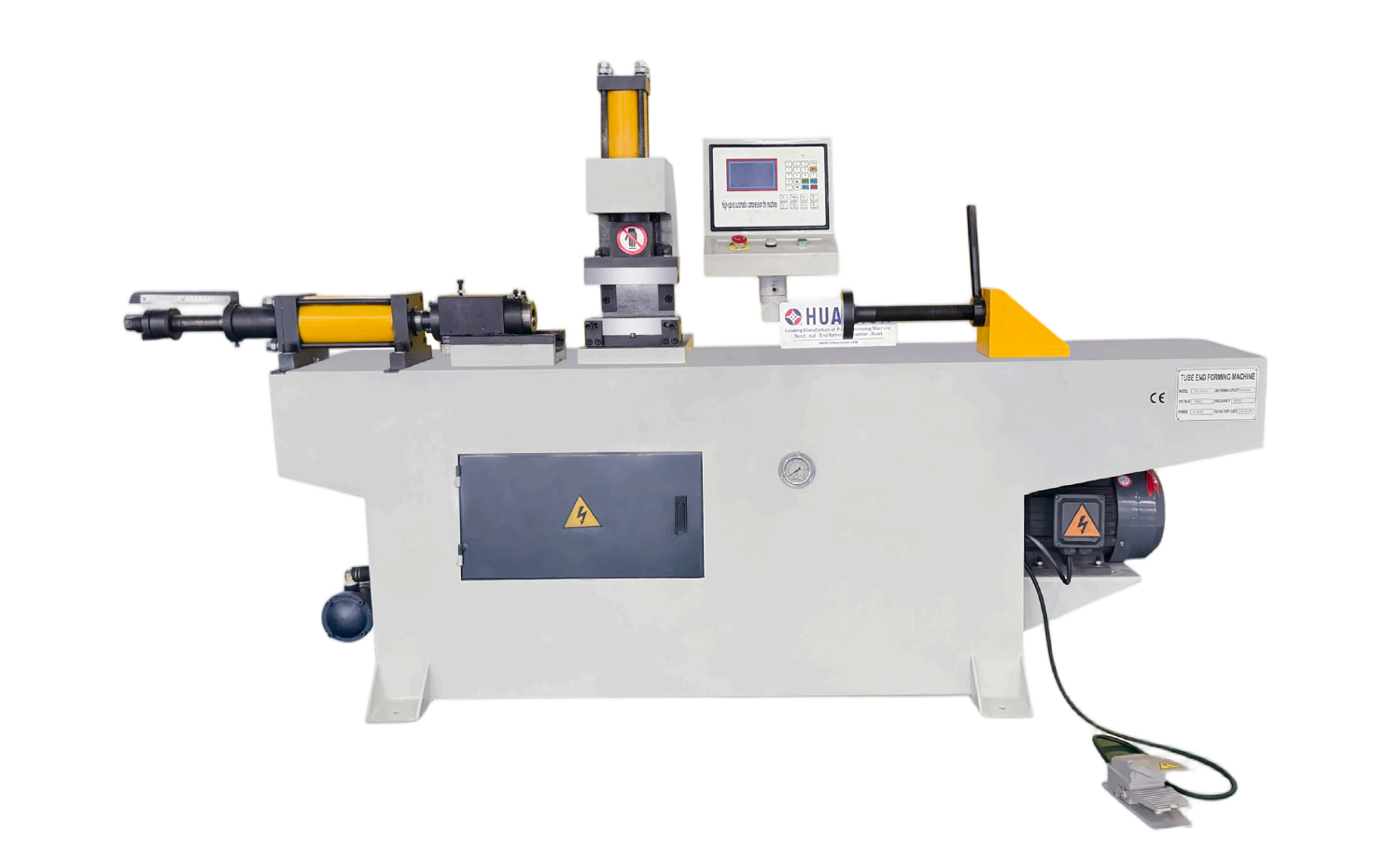
- TM40 High Efficiency Automatic Single Head Tube End Forming Machine
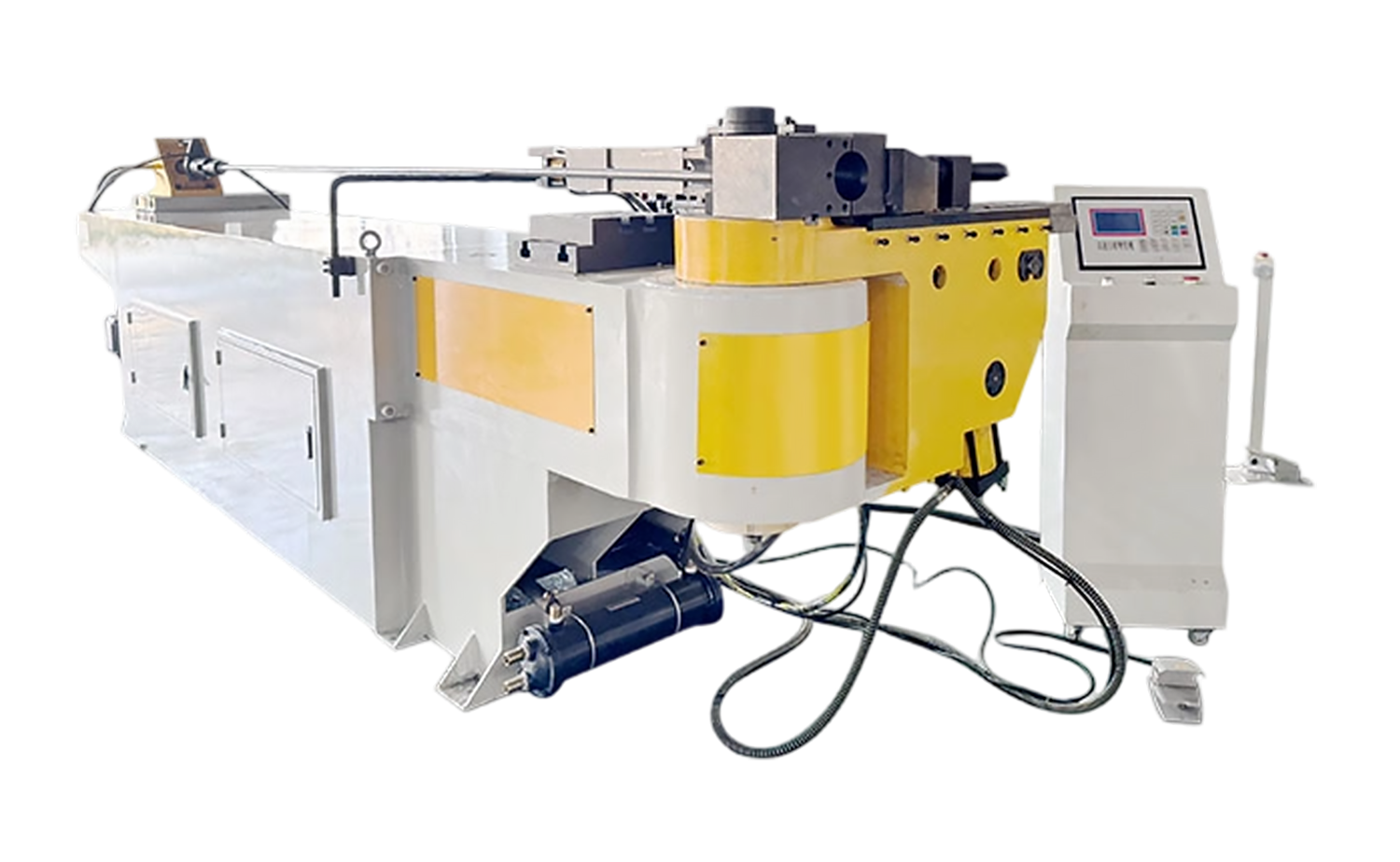
- NC M Series Hydraulic Tube Bending Machine with Mandrel Control
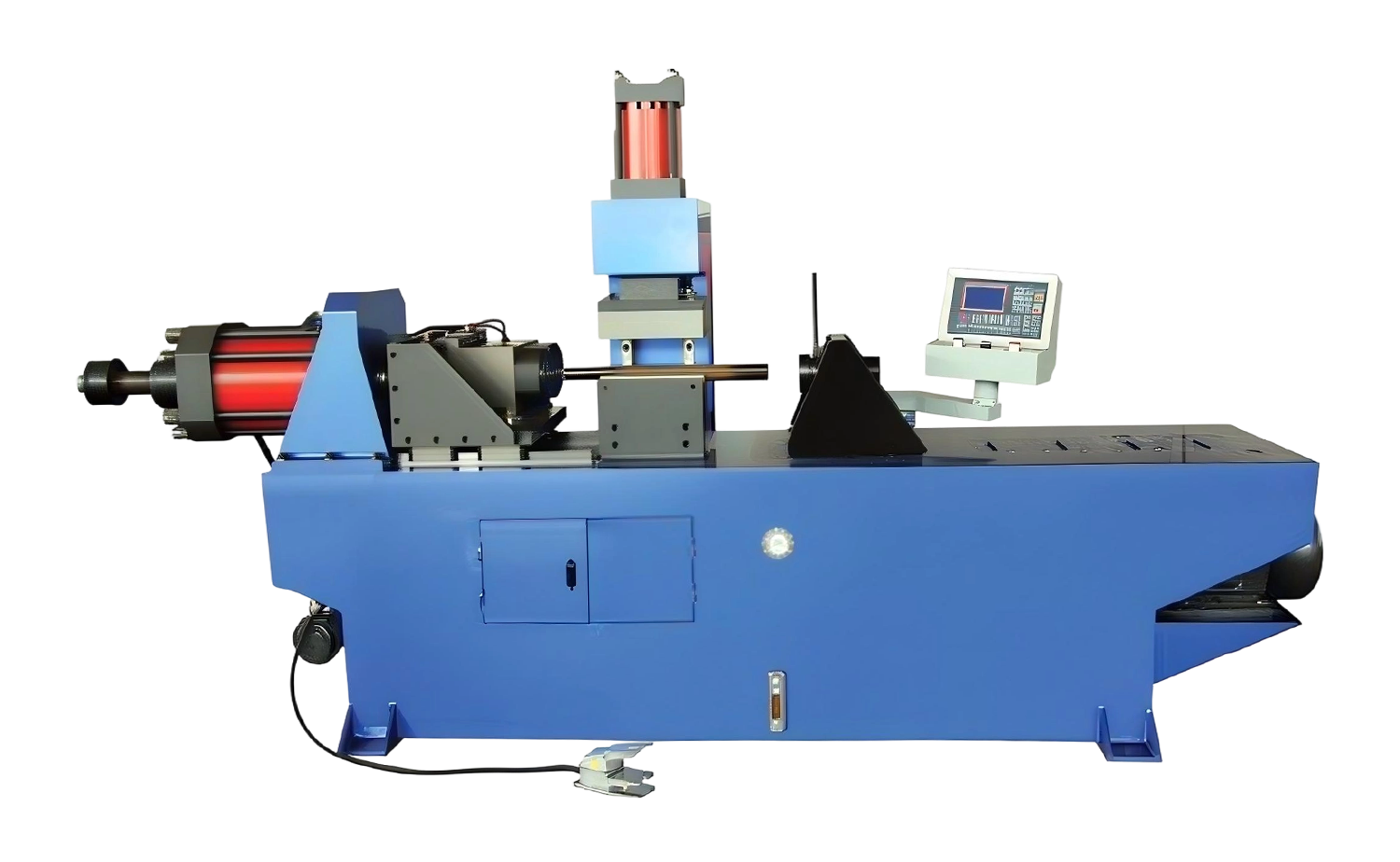
- TM60 Hydraulic Single Head Tube End Forming Machine
- TM100 Multi-Shape Forming Single-Head Tube End Forming Machine
Tube Shaping: Cutting, Bending, End Forming, and Finishing Explained in Detail
Date:Sep 24, 2026
Content
Tube shaping is a broad term, and that is exactly why it can be confusing at first. In a real production environment, it covers everything from cutting a tube to length and bending it to a specific radius, to forming the ends, chamfering edges, punching holes, and expanding diameters. Each operation changes the material slightly, and the order matters. Get the sequence wrong, and you will spend more time fixing parts than making them.
What Tube Shaping Really Covers in Production
Most people come to tube shaping because they need to bend a tube. That is the obvious starting point, but bending alone rarely makes a finished part. A typical workflow includes cutting the tube to length, preparing the ends, bending it into shape, and then finishing the details. If any step is out of tolerance, the final assembly will not fit.
From our side of the industry, we see tube shaping as a chain rather than a single action. A cut that is not square will pull a bend off angle. A bend that is not compensated for springback will not match the fixture. A chamfer that is too rough will ruin a weld. These are not theoretical problems. They show up every day in shops that are pushing for faster cycle times and tighter tolerances.
A Process Map for the Shop Floor
When a new tube part comes in, the most useful first step is to map the operations in order. The table below shows a simplified version that covers most metal tube work.
| Process | Typical Equipment | What It Delivers |
|---|---|---|
| Cutting | Manual, pneumatic, hydraulic, or CNC saws; laser cutters | Accurate lengths with controlled burrs |
| Bending | NC, CNC, roll benders, double head machines | Angles, radii, and multi bend geometry |
| End forming | Single or double head end forming machines | Expanded, reduced, or sealed ends |
| Chamfering | Single or double head chamfering machines | Clean weld preparation and deburred edges |
| Punching | Hydraulic or arc punching machines | Holes, slots, and notches |
| Expanding | Horizontal or vertical expanding machines | Controlled diameter changes for fittings |
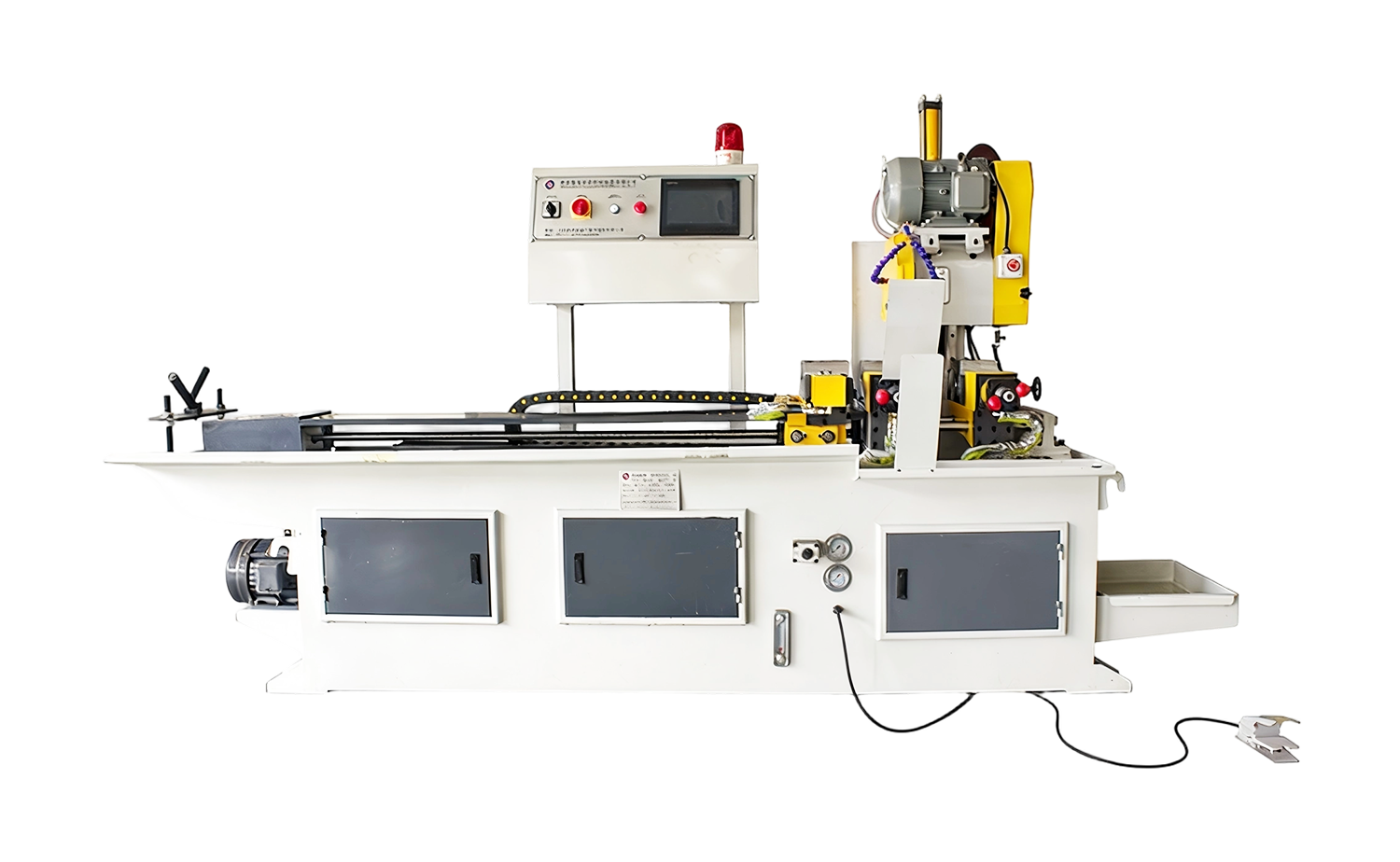 CNC Series Fully Automatic Servo Feeding Tube Cutting MachineFully automatic PLC-controlled tube and bar cutting machine for industrial shops seeking square, low-burr cuts before bending and end forming.View Product →
The cutting step sets the tone. If the cut is not square or the burr is heavy, every later operation has to compensate. That is why many shops invest in a reliable cutting machine before they upgrade anything else. A good cut makes bending and end forming much more predictable.
How Different Industries Shape Their Tubes
The same basic processes appear across industries, but the priorities change. In automotive manufacturing, cycle time and repeatability are usually the main concerns. In HVAC work, tube shaping often focuses on clean bends and reliable connections. Construction and structural work tend to prioritize durability and the ability to handle heavy wall thicknesses.
We also see tube shaping in fitness equipment, home appliances, data center cooling systems, and agricultural machinery. Each of these areas has its own tolerance expectations and volume requirements. A shop making a few hundred parts per month will choose different equipment than a plant running three shifts. The process map stays similar, but the level of automation changes.
Common Tube Shaping Problems and How to Read Them
After a few years of working with tube fabricators, you start to recognize the same issues coming up again and again. Most of them are not mysterious. They are signals that a process step needs attention.
Springback
Every bent tube springs back a little when the pressure is released. If the bend angle is consistently off, the solution is usually to compensate in the control system or to adjust the tooling. Modern CNC benders handle this well, but it still helps to understand the material you are running. Wall thickness, alloy, and temper all affect how much the tube moves.
Burrs and End Deformation
A burr on a cut end is more than a cosmetic issue. It can throw off a measurement, damage a fixture, or create a weak point in a weld. Chamfering and deburring machines are the standard answer, but the right cutting blade and feed rate also matter. If the tube end deforms during cutting, the problem may be the clamping or the blade condition rather than the machine itself.
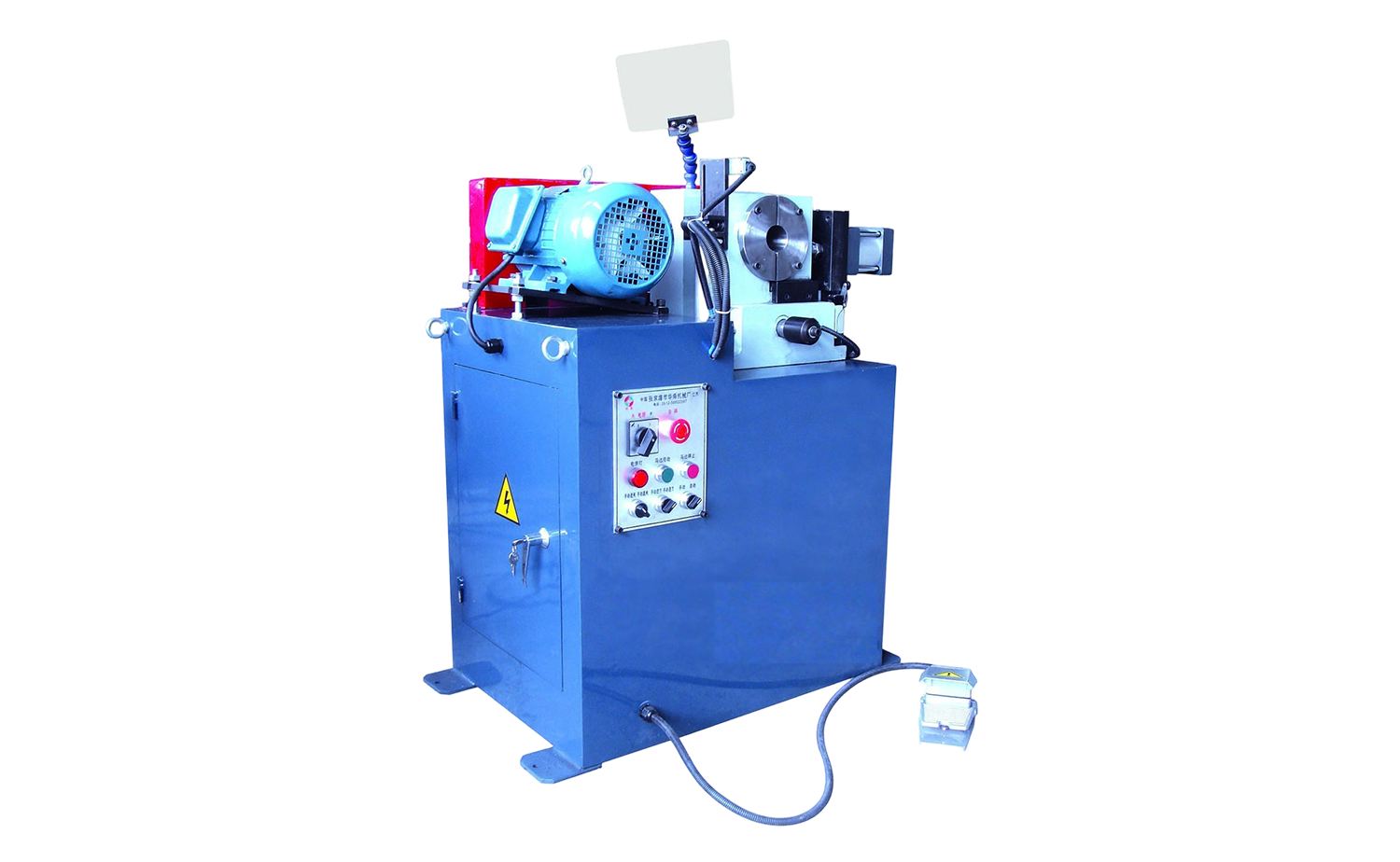 EF AC Series High Precision Single Head Tube Chamfering MachineSemi-automatic pneumatic tube chamfering machine that finishes flat, internal, and external edges to address burrs before further forming.View Product →
End Forming Cracks
When an end is expanded or reduced, the material has to flow without tearing. Cracks usually point to too much deformation in one pass, the wrong lubrication, or a material that needs annealing. Running a test piece and checking the wall thickness after forming is a simple habit that saves a lot of scrap.
Choosing Equipment Without Overbuying
One of the most common questions we hear is whether a shop should start with a manual machine or go straight to a CNC model. The honest answer depends on volume, part complexity, and how much operator skill you have on hand. A manual bender can be perfect for low volume work and prototypes. A CNC machine earns its cost when you need repeatability across thousands of parts.
- Match the machine to your current workload, not a projection that may never happen.
- Consider the full process chain, because a great bender cannot fix a bad cut.
- Think about changeover time if you run many different part numbers.
- Leave room for growth, but do not pay for capacity you will not use.
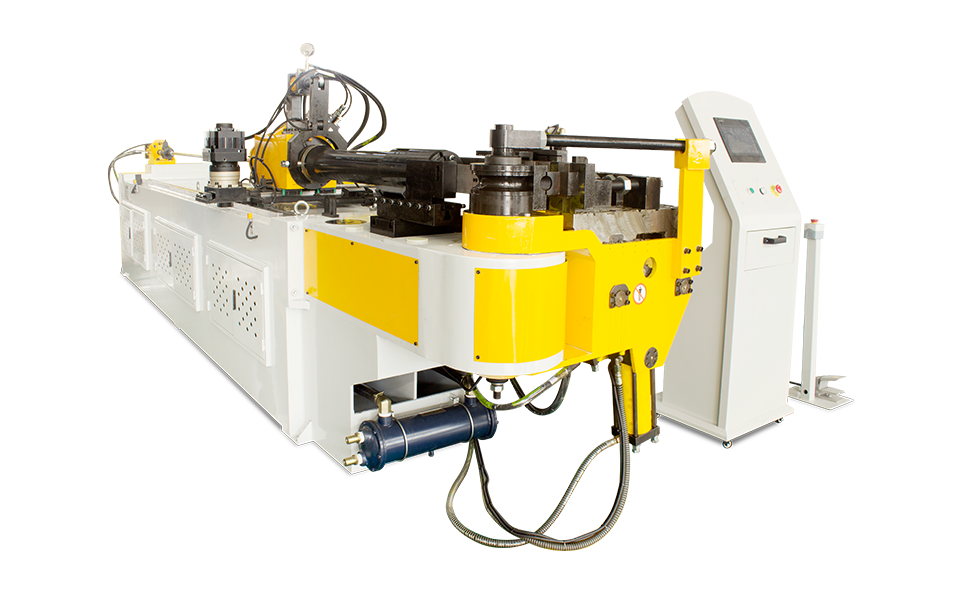 CNC M Series Fully Automatic Multi-Radius Tube Bending MachineFully automatic servo tube bender with programmable axes and PLC touch-screen control, suited for repeatable high-precision bending across demanding production volumes.View Product →
It also helps to talk to someone who has seen your type of part before. A short conversation about wall thickness, bend radius, and annual volume can prevent an expensive mistake.
Bringing the Process Together
Tube shaping works best when the steps are treated as one system. Cutting, bending, forming, chamfering, punching, and expanding all influence one another. The shops that get the best results are usually the ones that pay attention to the handoff between operations, not just the performance of a single machine.
If you are planning a new line or replacing an old machine, start with a clear process map and a realistic volume estimate. From there, the equipment choices become much easier to justify. For a deeper look at one part of the chain, our complete guide to tube cutting covers the options and tradeoffs in more detail.
Recommended Articles


Copyright © 2025 Huashun Technology All Rights Reserved.
Custom Precision Tube Forming Machine Manufacturers