
 English
 русский
 Español
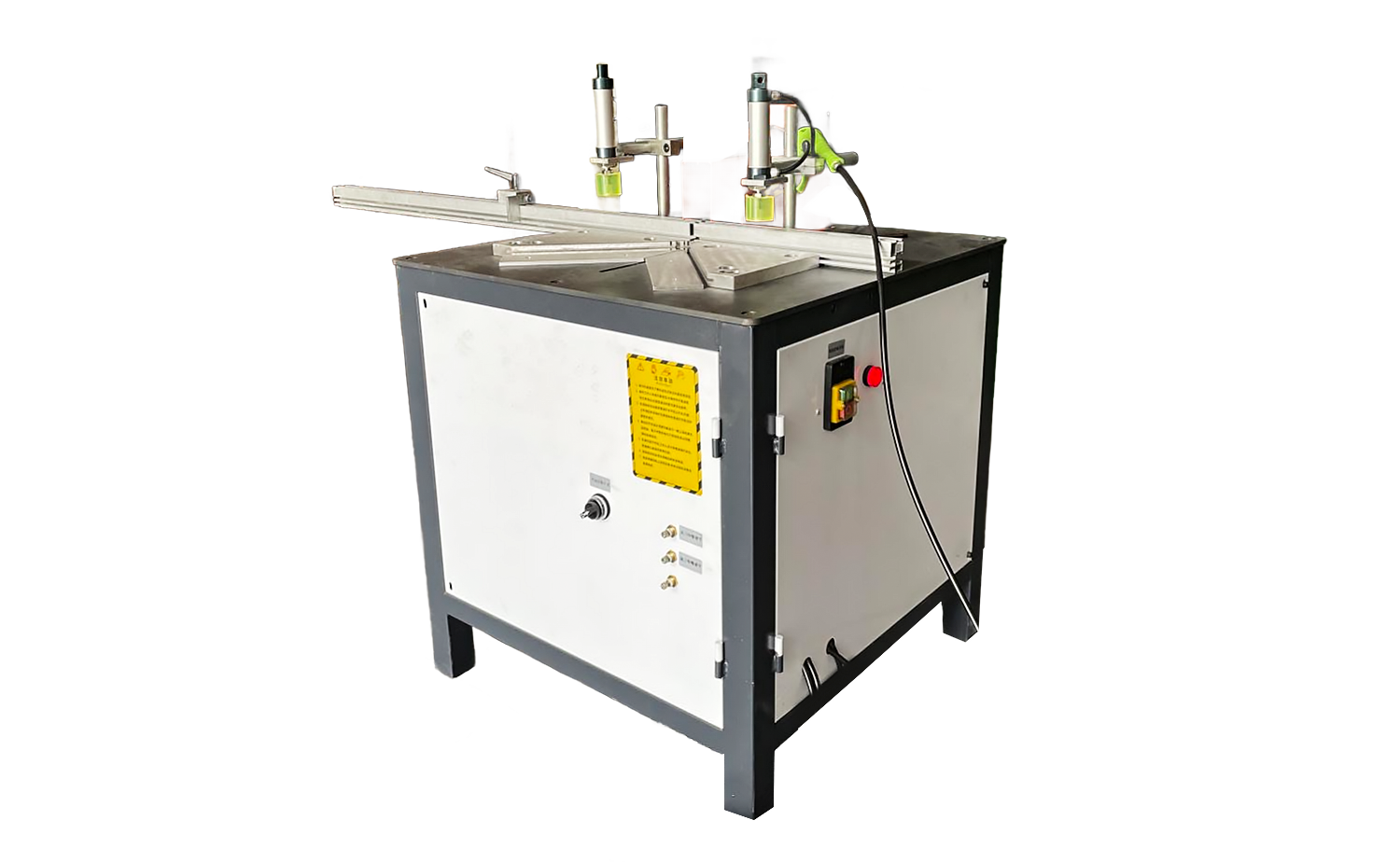
- ES500 Semi-Automatic Aluminum Tube Cutting Machine with Angle Cutting Function
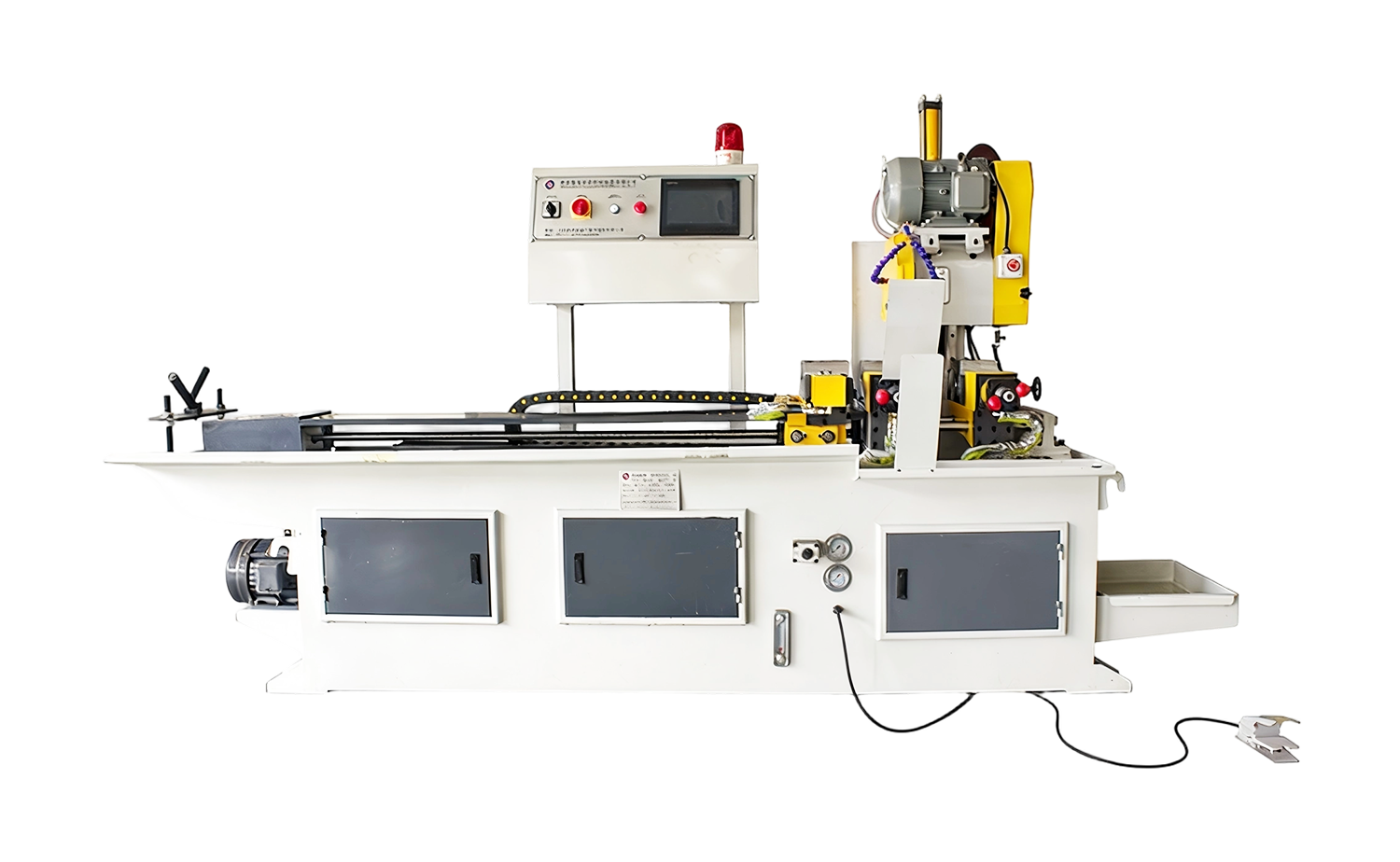
- CNC Series Fully Automatic Servo Feeding Tube Cutting Machine
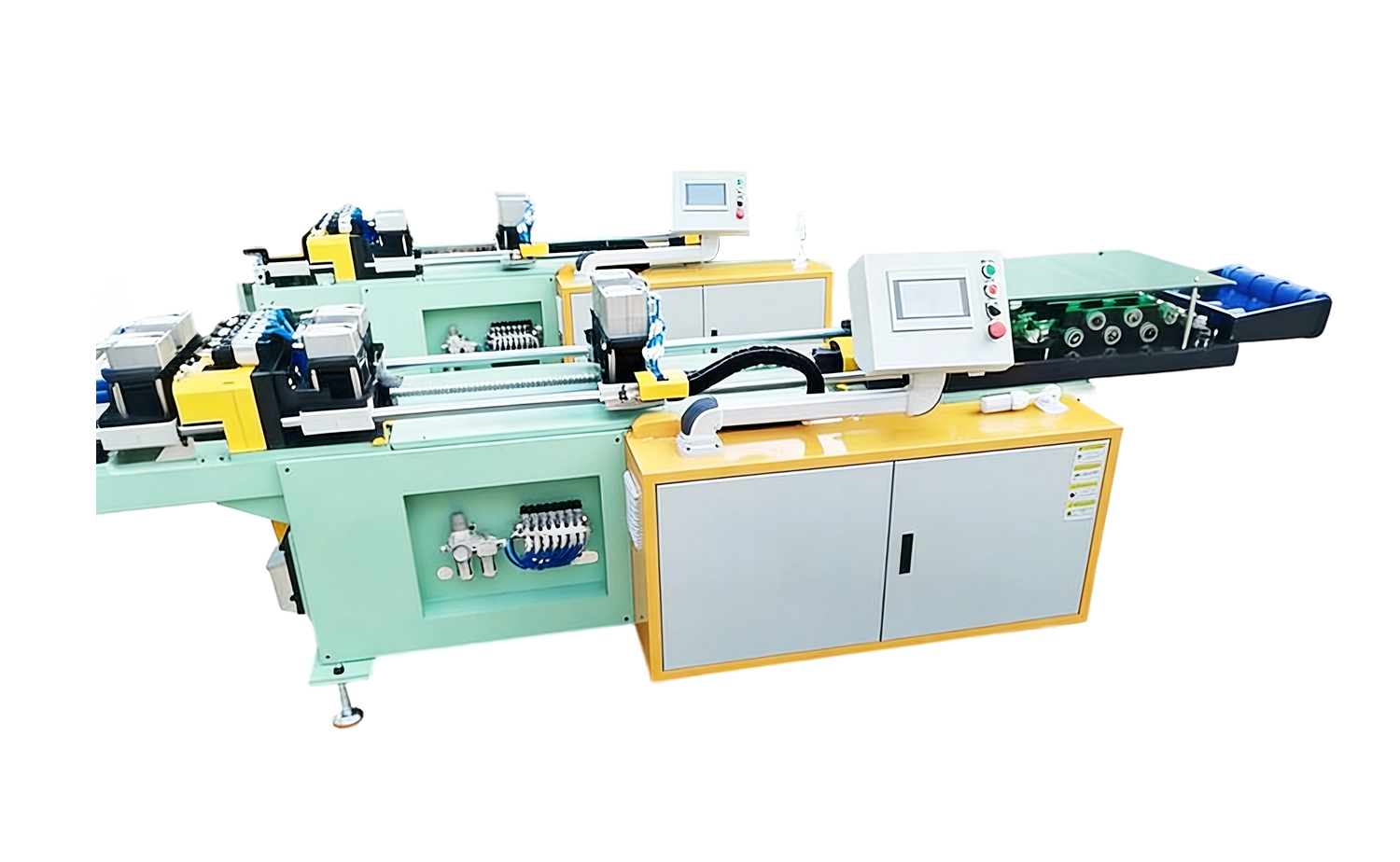
- SC-4-1000A Automatic Tube Straightening Chip-Free Cutting Machine
- ES455 Semi-Automatic Aluminum Cutting Machine with Angle Cutting Function
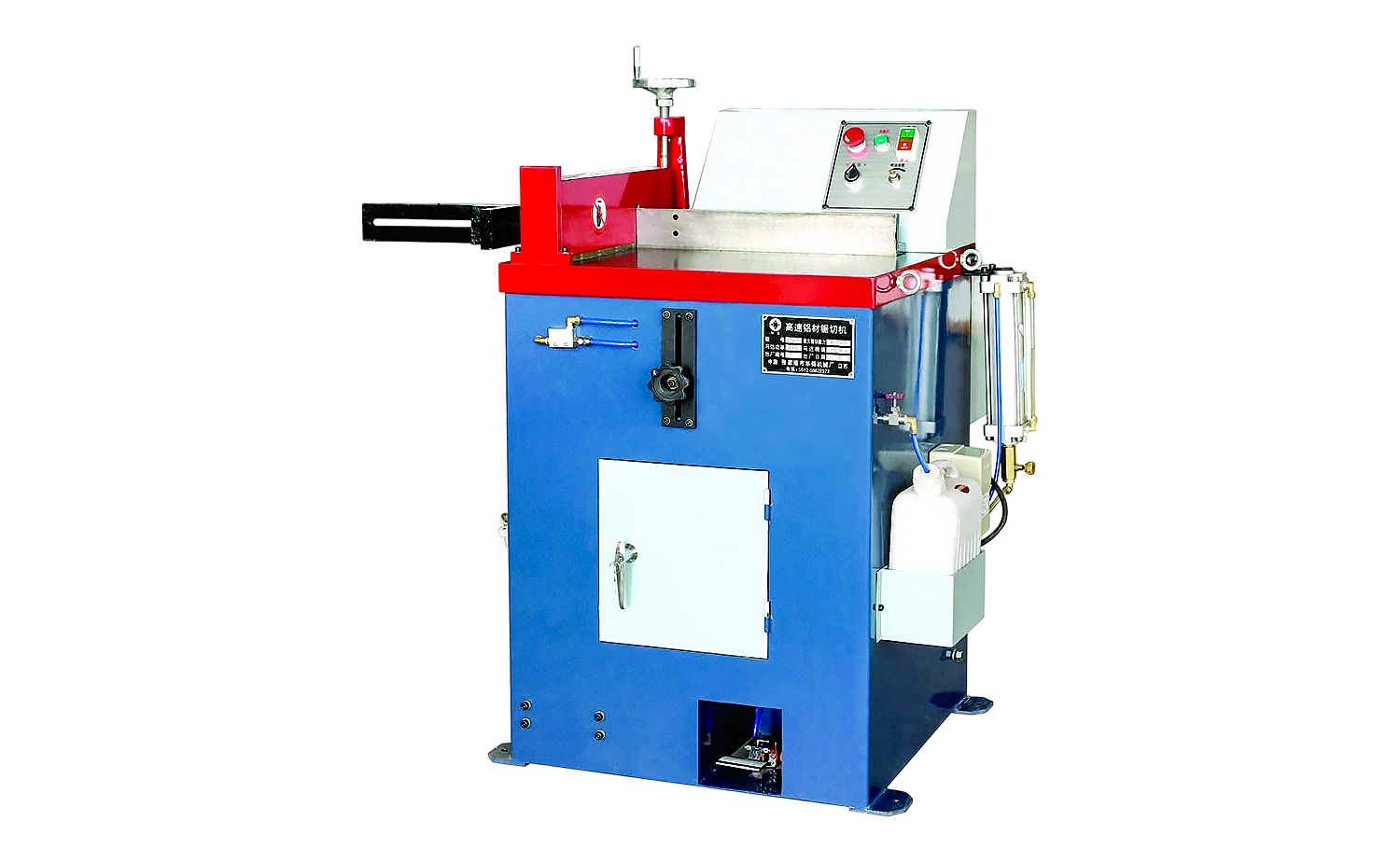
- ESH Horizontal Semi-Automatic Aluminum Cutting Machine
- DEF SM Series High Speed Semi-Automatic Double Head Tube Chamfering Machine
Tube Cutting Machine: The Complete Guide to Types, Applications, and How to Choose the Right One
Date:Apr 09, 2026
Content
- 1 What Is a Tube Cutting Machine and Why Does It Matter in Modern Manufacturing
- 2 Types of Tube Cutting Machines: A Full Breakdown
- 3 Key Materials a Tube Cutting Machine Can Process
- 4 Industrial Applications of Tube Cutting Machines Across Sectors
- 5 How to Choose the Right Tube Cutting Machine for Your Needs
- 5.1 Step 1: Define Your Tube Material, Wall Thickness, and Diameter Range
- 5.2 Step 2: Determine Required Cutting Tolerance and Surface Finish
- 5.3 Step 3: Assess Production Volume and Duty Cycle
- 5.4 Key Machine Specifications to Compare
- 5.5 Automation Level: Manual, Semi-Automatic, or Fully Automatic
- 5.6 Budget Considerations: Upfront Cost vs. Total Cost of Ownership
- 5.7 New vs. Used Tube Cutting Machine
- 5.8 Questions to Ask Your Tube Cutting Machine Supplier
- 6 Tube Cutting Machine Operation, Maintenance, and Safety
- 7 FAQ
- 8 References
What Is a Tube Cutting Machine and Why Does It Matter in Modern Manufacturing
Walk through any metal fabrication workshop, HVAC production facility, or automotive parts plant, and one piece of equipment shows up without fail — the tube cutting machine. It does not attract much attention. It does not look particularly dramatic. But pull it off the floor for a day, and production slows to a crawl.
That quiet reliability is exactly the point.
A tube cutting machine is a piece of industrial equipment designed to cut tubular workpieces — round, square, rectangular, or oval profiles — to precise lengths and angles. Depending on the configuration, it can make straight crosscuts, miter cuts, and compound angle cuts, or follow complex programmed paths that would be impossible to replicate by hand. The output is consistent, repeatable, and fast — three things that manual cutting with a hacksaw or angle grinder simply cannot deliver at any meaningful production scale.
The Fundamental Role of a Tube Cutting Machine in Industrial Production
At its core, a tube cutting machine solves a straightforward problem: how do you cut hundreds or thousands of tubes to exact specifications without burning through labor hours, accumulating scrap, or sacrificing dimensional accuracy?
Manual cutting methods have been around since metalworking began, and they still have their place in small-scale or one-off fabrication. But the moment a production line demands repeatability — same cut length, same angle, same surface quality, part after part — manual processes fall short. Human fatigue sets in. Measurement errors compound. Cut quality varies from operator to operator and shift to shift.
A properly configured tube cutting machine eliminates most of those variables. The tube is loaded, the parameters are set, and the machine executes the cut the same way every single time. In a high-volume environment, that consistency translates directly into reduced rework, lower scrap rates, and faster throughput.
How Tube Cutting Machine Technology Has Evolved
The earliest tube cutting tools were little more than manual pipe cutters — a hardened steel wheel tightened progressively around a tube as the operator rotated it by hand. Functional, yes. Fast or precise, not particularly.
The shift to motorized cutting came with industrialization, when manufacturing volumes outpaced what manual labor could sustain. Early machine-driven saws could cut multiple pieces in sequence, but setup was slow and tolerances were inconsistent by modern standards.
The real turning point came with CNC (Computer Numerical Control) integration. Once a tube cutting machine could receive and execute digital instructions, the possibilities expanded significantly. Cut lengths could be programmed to the tenth of a millimeter. Angle changes that once required physical reconfiguration of fixtures could be called up from a menu. Material feed, clamp pressure, and blade speed could all be managed automatically based on the material profile entered into the controller.
More recently, fiber laser technology entered the tube cutting space and pushed precision further still. A laser tube cutting machine can cut complex 2D profiles and notches directly into tube walls — something no mechanical blade can replicate. For industries like aerospace and medical device manufacturing, where component geometry is intricate and tolerances are extremely tight, laser-based systems have become the default choice.
Key Industries That Depend on Tube Cutting Machines Every Day
The list of industries that rely on tube cutting machines is long, and it cuts across both heavy manufacturing and precision production:
Automotive manufacturing uses tube cutting machines to produce exhaust systems, chassis components, roll cages, seat frames, and hydraulic brake line segments. Volume is high, and dimensional consistency is non-negotiable for assembly line compatibility.
HVAC and refrigeration industries cut copper and aluminum tubing continuously, feeding coil bending and connection assembly operations. A stoppage in tube cutting holds up the entire downstream process.
Construction and infrastructure projects depend on structural steel tube cutting for railings, frames, support columns, and architectural elements. Cuts often need to be made at compound angles to fit precise installation geometries.
Medical device manufacturing requires tube cutting machines capable of producing ultra-clean, burr-free ends on surgical-grade stainless steel and titanium tubes used in instruments, implants, and diagnostic equipment.
Oil and gas operations use tube cutting machines both in manufacturing environments and directly in the field, where sections of pipeline need to be cut and prepared for welding or fitting installation.
In every one of these sectors, the tube cutting machine is not optional equipment — it is a production-critical asset.
Tube Cutting Machine vs. Pipe Cutting Machine: Clearing Up the Confusion
This distinction trips up a lot of buyers, especially those new to specifying equipment. The terms are often used interchangeably in casual conversation, but they refer to workpieces with different dimensional standards.
Tube is specified by its outer diameter (OD) and wall thickness. The inner diameter is a function of those two measurements. Tubes are used where dimensional precision matters — in structural, mechanical, and instrumentation applications.
Pipe is specified by its nominal pipe size (NPS) and schedule, which defines wall thickness. Pipe is primarily used for fluid and gas conveyance, where flow capacity drives the specification rather than structural precision.
In practical terms, most modern cutting machines can handle both. But a machine marketed specifically as a pipe cutting machine is often optimized for larger diameters and thicker walls, while a tube cutting machine is typically configured for tighter tolerances and a wider range of profile shapes. When specifying equipment, always provide actual OD dimensions, wall thickness, and material — not just the label "tube" or "pipe."
Types of Tube Cutting Machines: A Full Breakdown
No single tube cutting machine design works for every material, every production volume, or every budget. The market offers a wide range of cutting technologies, each built around a different mechanism and optimized for a different set of conditions. Understanding what separates one type from another is the first step toward making a smart purchasing or specification decision.
Rotary Tube Cutting Machine
The rotary tube cutting machine uses one or more hardened cutting wheels that orbit around the tube's circumference while applying progressive inward pressure. As the wheel completes its rotation, it scores and then severs the tube wall cleanly without generating the heat or chips associated with saw-based cutting.
This method produces a particularly clean, square cut end — often with minimal or no burring — which makes it a preferred choice in applications where the tube end will be used for press-fit connections, sealing, or fluid flow without additional finishing. Copper plumbing lines, thin-wall stainless steel instrumentation tubing, and aluminum hydraulic lines are all common candidates.
The limitation is wall thickness. Rotary cutters apply radial force, and beyond a certain wall thickness, that force causes the tube end to deform inward — a condition called "rollover" — rather than producing a clean cut. For heavy-wall tubes, a different cutting method is needed.
Laser Tube Cutting Machine
The laser tube cutting machine is the most technologically advanced option currently available in production environments. A high-powered fiber laser beam is directed at the tube surface, melting and vaporizing material along a precisely controlled path. The tube rotates and advances under CNC control, allowing the laser to cut not just straight cross-sections but complex profiles, slots, notches, and shaped holes directly in the tube wall.
The precision achievable with a laser tube cutting machine is measured in hundredths of a millimeter. There is no cutting tool making physical contact with the workpiece, which means no tool wear affecting cut quality over time. Heat-affected zones are narrow and controlled, and the cut surface — while it may require light cleaning on some materials — is generally smooth and dimensionally accurate.
The tradeoff is cost. Laser tube cutting machines carry a significantly higher purchase price than mechanical alternatives, and they require careful maintenance of the optical components and assist gas supply systems. For high-mix, high-precision production, the investment is justifiable. For straightforward straight cuts on a single material at high volume, a simpler machine type often makes more economic sense.
Cold Saw Tube Cutting Machine
Cold saw tube cutting machines use a circular blade — typically made from high-speed steel (HSS) or tungsten carbide-tipped — rotating at relatively low RPM to shear through the tube. The "cold" in the name refers to the cutting process itself: because the blade runs slowly and the chip carries heat away from the cut zone, the workpiece and blade stay close to ambient temperature. There is no heat-affected zone, no discoloration, and no thermal distortion.
Cold saw machines are a workhorse choice for steel and stainless steel tube cutting in fabrication shops and production facilities. The cut surface is smooth, the ends are square, and the process is repeatable. Blade life is long when the machine is correctly configured for the material, and operating costs are relatively low compared to laser systems.
The constraint is geometry — cold saws cut straight, and miter attachments allow limited angle adjustment. Complex profiles or shaped cuts require a different approach entirely.
Hydraulic Tube Cutting Machine
Hydraulic tube cutting machines use fluid-powered cylinders to drive a cutting blade or die through the tube wall in a single shearing stroke. The cutting action is fast, the force is substantial, and the process requires no rotation or orbital movement.
This design is particularly well suited to thick-walled tubes and structural sections where other cutting methods would struggle or require multiple passes. Hydraulic tube cutting machines are also commonly found in field applications — portable hydraulic units are used in construction, pipeline work, and emergency repair situations where electrical power may not be available and the machine needs to operate from a hydraulic power unit.
Cut quality from hydraulic shearing is generally adequate for structural applications but may show slight deformation at the cut edge on thinner-walled material. Where end finish is critical, secondary deburring or facing may be required.
CNC Tube Cutting Machine
The CNC tube cutting machine is not a cutting technology in itself — it is a control architecture that can be applied to saw, laser, or rotary cutting mechanisms. What CNC adds is programmable, automated control over every variable in the cutting process: feed length, cut angle, clamp pressure, blade speed, and cycle sequencing.
In a production environment, a CNC tube cutting machine can be loaded with a full job schedule — multiple part numbers, different lengths and angles, different quantities — and execute that schedule unattended. Parts come off the machine already cut to specification, often with length accuracy of ±0.1 mm or better depending on the machine grade.
For high-volume or high-mix production, the time savings over manual setup and measurement are substantial. Setup time between jobs is reduced to loading the next program rather than physically adjusting stops and fixtures.
Handheld and Portable Tube Cutting Machine
At the opposite end of the automation spectrum sits the handheld or portable tube cutting machine. These are compact, lightweight tools designed for field use, maintenance tasks, and applications where the tube cannot be brought to a stationary machine.
Portable tube cutting machines range from manual ratchet-type cutters for copper and thin aluminum to battery-powered orbital cutters capable of handling stainless steel pipe sections in the field. Some are designed specifically for use inside confined spaces — enclosed hydraulic systems, HVAC ductwork, plumbing chases — where a full-size machine cannot be positioned.
Cut quality varies by design, but modern powered portable cutters produce results that are acceptable for most field joining and replacement applications. They are not production tools, but for maintenance crews and installation contractors, they are indispensable.
Tube Cutting Machine Type Comparison
| Machine Type | Best Material Match | Typical Wall Thickness Range | Cut Tolerance | Relative Cost | Automation Level |
|---|---|---|---|---|---|
| Rotary | Copper, thin stainless, aluminum | 0.5 mm – 3 mm | ±0.2 mm | Low–Medium | Semi / Full Auto |
| Laser | Stainless, aluminum, carbon steel | 0.5 mm – 10 mm | ±0.05 mm | High | Full CNC |
| Cold Saw | Steel, stainless, aluminum | 1 mm – 12 mm | ±0.1 mm | Medium | Semi / Full Auto |
| Hydraulic | Structural steel, heavy wall | 3 mm – 25 mm | ±0.5 mm | Medium | Manual / Semi |
| CNC (multi-type) | All materials | Depends on cutting head | ±0.05–0.15 mm | Medium–High | Full Auto |
| Portable / Handheld | Copper, aluminum, thin steel | 0.5 mm – 6 mm | ±0.5–1 mm | Low | Manual |
Key Materials a Tube Cutting Machine Can Process
Material selection drives almost every decision in tube cutting — blade type, cutting speed, coolant requirement, clamping pressure, and even which machine technology makes sense in the first place. A tube cutting machine that performs flawlessly on aluminum will struggle with hardened stainless steel if it is not configured correctly. Getting the material-machine match right from the start saves considerable time, tooling cost, and frustration down the line.
Stainless Steel Tube Cutting
Stainless steel is one of the most commonly cut materials and also one of the most demanding. Its work-hardening behavior is the core challenge: the moment a cutting tool begins to rub rather than shear cleanly, the material surface hardens rapidly, accelerating tool wear and degrading cut quality in a self-reinforcing cycle.
Successful stainless steel tube cutting requires sharp tooling, adequate cutting pressure maintained consistently through the cut, appropriate feed rates that avoid dwelling in the cut zone, and — in most cases — coolant to manage heat buildup. Cold saw machines with carbide-tipped blades handle stainless well in production environments. Laser tube cutting machines are the preferred choice when complex profiles or tight tolerances are involved, as the non-contact process sidesteps the work-hardening issue entirely.
Austenitic grades (304, 316) are the most frequently cut. Duplex and super-duplex grades are harder still and require more conservative cutting parameters and more robust clamping to prevent movement during the cut.
Aluminum Tube Cutting
Aluminum cuts easily relative to steel, but it presents its own set of challenges. The material is soft enough that it deforms under excessive clamping pressure, and its low melting point means heat buildup — even moderate heat — can cause the cut edge to smear rather than shear cleanly. Chips are also larger and stickier than steel chips, and they tend to accumulate in blade gullets, reducing cutting effectiveness if chip clearance is not managed.
For aluminum tube cutting, high blade speeds work well, but feed rates need to be matched carefully to avoid chip packing. Coolant or a suitable cutting fluid helps with chip evacuation and surface finish. Laser cutting works on aluminum, though the material's high reflectivity requires fiber laser technology rather than CO₂ systems, and assist gas selection (typically nitrogen) matters for achieving a clean, oxide-free cut edge.
Dimensional accuracy is particularly important with aluminum because the material's relatively high thermal expansion coefficient means temperature changes during cutting can affect final dimensions more than they would with steel.
Copper and Brass Tube Cutting in HVAC and Plumbing
Copper tube is the backbone of HVAC coil manufacturing and plumbing system installation, and it is cut in enormous volumes daily. It is a relatively forgiving material — soft, thermally conductive, and easy to cut cleanly with a properly configured rotary or cold saw tube cutting machine.
The primary concern with copper is maintaining a perfectly square, burr-free cut end, particularly for applications involving flare or press-fit fittings where the tube end geometry directly affects the integrity of the connection. Any deformation or rough edge at the cut end is a potential leak point.
Brass cuts similarly to copper but is harder and more brittle, producing smaller, more fragmented chips. Feed rates should be more conservative than with copper, and blade selection should account for brass's tendency to grab and chatter if cutting conditions are not well controlled.
Contamination is also worth mentioning — copper and brass are easily scratched, and aluminum chips or steel particles from other cutting operations can embed in the soft surface. In facilities cutting multiple materials, keeping the tube cutting machine clean between material changes is not just good practice; it is a quality requirement.
Carbon Steel Tubes in Structural and Automotive Manufacturing
Carbon steel is the most widely cut tube material globally, appearing in everything from automotive chassis components to structural building frameworks. It is strong, relatively predictable in its cutting behavior, and compatible with the widest range of tube cutting machine types.
Cold saw machines are the standard production choice for carbon steel tube cutting. Blade life is long, cut quality is consistent, and the process is economical at scale. For structural applications where end finish is less critical, abrasive cutting or hydraulic shearing may also be used.
Higher carbon grades (above 0.45% carbon) become progressively harder and more abrasive on cutting tooling. Pre-hardened or heat-treated steel tube sections require more robust machine configurations and slower cutting parameters to maintain blade life and cut quality.
Plastic and Composite Tubes
Not all tube cutting machines are designed for metal. Plastic tubes — PVC, HDPE, polypropylene, nylon — are widely used in fluid handling, electrical conduit, and consumer product applications, and they require a fundamentally different cutting approach.
Plastics are poor thermal conductors, which means heat generated at the cut zone stays local rather than dissipating through the workpiece. That heat can melt, smear, or stress-crack the material depending on its type. Cutting speeds for plastic tube are generally much higher than for metal, blades need to be sharp with appropriate tooth geometry, and coolant — if used at all — is typically air rather than liquid to avoid contamination or absorption issues.
Fiber-reinforced composite tubes add another layer of complexity. Carbon fiber and fiberglass composites are abrasive enough to destroy conventional steel blades quickly. Diamond-coated or polycrystalline diamond (PCD) tooling is typically required, and dust management becomes a safety concern because composite cutting generates fine particles that are hazardous to inhale.
Material vs. Recommended Tube Cutting Machine Configuration
| Material | Recommended Cutting Method | Blade/Tool Type | Coolant Required | Key Watch Points |
|---|---|---|---|---|
| Stainless Steel (304/316) | Cold Saw / Laser | Carbide-tipped / Fiber laser | Yes | Work hardening, heat buildup |
| Stainless Steel (Duplex) | Laser / Cold Saw | Fiber laser / Premium carbide | Yes | Higher clamping force needed |
| Aluminum | Cold Saw / Laser | HSS or carbide / Fiber laser | Recommended | Chip packing, thermal expansion |
| Copper | Rotary / Cold Saw | HSS wheel / Fine-tooth carbide | Optional | Burr-free end, contamination |
| Brass | Cold Saw | Fine-tooth carbide | Optional | Chatter, chip fragmentation |
| Carbon Steel (low–mid) | Cold Saw / Hydraulic | Carbide-tipped | Yes | Scale on surface, chip volume |
| Carbon Steel (high) | Cold Saw | Premium carbide | Yes | Accelerated tool wear |
| PVC / HDPE | High-speed rotary saw | Fine-tooth HSS | Air only | Heat smearing, stress cracking |
| CFRP / Fiberglass | Specialized rotary | PCD / Diamond-coated | Air + dust extraction | Dust hazard, rapid tool wear |
Industrial Applications of Tube Cutting Machines Across Sectors
A tube cutting machine is only as valuable as the application it serves. The same fundamental cutting process — controlled, repeatable separation of tubular material — shows up across industries that have almost nothing else in common. What changes is the material, the tolerance requirement, the production volume, and the consequences of getting it wrong.
Automotive Industry
Automotive manufacturing is one of the largest consumers of tube cutting capacity globally. A single passenger vehicle contains dozens of tubular components — exhaust system sections, fuel and brake lines, chassis reinforcement members, seat frame rails, roll cage elements in performance vehicles, and suspension linkage tubes among them.
The demands in automotive tube cutting are straightforward but unforgiving: high volume, tight dimensional consistency, and zero tolerance for burrs or sharp edges that could damage seals, compromise welds, or create assembly interference. A brake line tube end that is 0.5 mm too long or carries a burr at its fitting seat is not a minor defect — it is a potential safety failure downstream.
CNC tube cutting machines dominate automotive production lines for this reason. Programmed cut sequences run unattended through full production shifts, with servo-controlled feed systems holding length tolerances that manual methods cannot reliably match. Integrated deburring is standard, and many automotive-grade tube cutting machine systems include in-line length verification to catch any out-of-tolerance parts before they reach the assembly station.
Aerospace and Defense
Aerospace tube cutting operates at lower volumes than automotive but at significantly tighter tolerances and with a much more rigorous documentation trail. Hydraulic lines, fuel system tubing, structural airframe members, and environmental control system ducting all require tube cutting that meets material traceability requirements and dimensional specifications defined in engineering drawings with little or no tolerance stack-up allowance.
Laser tube cutting machines are widely used in aerospace fabrication because the non-contact cutting process eliminates the risk of mechanical stress or deformation at the cut zone — a concern with thin-wall titanium and high-strength aluminum alloy tubes that can be sensitive to clamping and blade forces. The narrow heat-affected zone of a fiber laser is also acceptable for most aerospace alloys, provided cutting parameters are validated for the specific material specification.
Every cut part in aerospace production is typically traceable to a specific material heat lot and cutting machine record. This documentation requirement influences how tube cutting machine systems are specified — data logging, program version control, and operator ID tracking are not optional extras in this sector.
HVAC and Refrigeration
Few industries run tube cutting machines harder than HVAC and refrigeration manufacturing. Copper and aluminum tubing is cut continuously — sometimes at rates of several hundred pieces per hour on automated lines — to feed coil bending, header assembly, and connection fitting operations.
The cut quality requirement here centers on end geometry. Copper tube ends that will be expanded, flared, or press-fitted into manifolds need to be perfectly square and free of any inward or outward deformation. A rotary tube cutting machine producing clean, square ends without burring is the standard production solution for copper coil tubing up to around 22 mm OD.
For larger diameter aluminum tubes used in commercial HVAC equipment, cold saw machines with fine-tooth carbide blades are more appropriate. Cycle times are fast, blade life is long on aluminum, and the cut ends require minimal secondary finishing before assembly.
Medical Device Manufacturing
Medical tube cutting is a specialized application where cleanliness, surface finish, and dimensional accuracy intersect with regulatory requirements in ways that have no parallel in general manufacturing. Surgical instruments, catheter components, endoscope shafts, implantable device housings, and diagnostic equipment all incorporate precision-cut stainless steel or titanium tubes that must meet extremely tight specifications.
The tube cutting machine used in medical manufacturing is typically a laser system, chosen because it produces a narrow, clean kerf with minimal heat-affected zone and no mechanical contact force that could stress the tube material or introduce surface contamination. Cut ends are often required to pass visual and dimensional inspection at magnification, and any burr — regardless of how small — is a rejection criterion because it could cause tissue damage or compromise device function.
Cleanliness of the cutting environment matters as well. Medical tube cutting is often performed in controlled environments, and the machine itself must be designed for easy cleaning to prevent cross-contamination between material lots.
Construction and Infrastructure
Structural tube cutting in construction operates at the opposite end of the precision spectrum from medical manufacturing, but the volume and material diversity are substantial. Steel rectangular hollow sections (RHS), circular hollow sections (CHS), and square hollow sections (SHS) are cut to length and angle for building frames, staircases, handrail systems, canopy structures, and architectural feature elements.
Cold saw and hydraulic tube cutting machines handle the majority of structural steel cutting. Tolerances are measured in millimeters rather than tenths of millimeters, but the cuts still need to be square and consistent enough to fit up correctly for welding. Miter cuts at compound angles are common in architectural metalwork, and CNC-controlled cold saw machines with programmable angle heads handle these efficiently.
Portable tube cutting machines also play a role on construction sites, where structural sections need to be cut to fit during installation rather than being pre-cut to drawing dimensions in a fabrication shop.
Furniture and Consumer Goods
Tube cutting machines in furniture manufacturing operate at high speed on relatively thin-wall steel and aluminum tube — chair frames, table legs, display rack uprights, clothing rail systems, and shelving components. The material is not exotic, the tolerances are not extreme, but the production volumes are high and the cost pressure is intense.
Automated tube cutting machine lines in this sector are designed around minimal cycle time and maximum uptime. Magazines or bundle loaders feed tubes continuously, cut cycles are measured in seconds, and finished parts drop directly onto conveyors feeding the next operation — bending, welding, or surface finishing. Any machine downtime directly impacts output targets, which makes reliability and fast changeover between tube sizes important selection criteria.
Oil, Gas, and Energy
Tube and pipe cutting in the oil and gas sector spans both manufacturing environments and field operations. In manufacturing, heat exchanger tubes, instrumentation lines, and equipment skid piping are cut to specification on production machines in controlled settings. In the field, sections of installed pipeline need to be cut for tie-in connections, repair sections, or decommissioning — under conditions that are far from ideal.
Field-deployed tube cutting machines for oil and gas are typically hydraulic or pneumatic orbital cutting systems mounted directly on the pipe. They grip the pipe externally and rotate the cutting tool around the circumference, producing a square cut face suitable for welding without requiring the pipe to be moved or the line to be taken out of service in some configurations.
The materials in oil and gas — high-yield carbon steel, duplex stainless, chrome-moly alloys — are demanding, and the cutting machine must be specified accordingly.
Application vs. Tube Cutting Machine Requirements Summary
| Industry | Typical Material | Volume | Tolerance Requirement | Preferred Machine Type |
|---|---|---|---|---|
| Automotive | Carbon steel, stainless | Very High | ±0.1 – 0.2 mm | CNC cold saw / rotary |
| Aerospace | Titanium, aluminum alloy | Low–Medium | ±0.05 mm | Laser CNC |
| HVAC / Refrigeration | Copper, aluminum | Very High | ±0.2 mm | Rotary / cold saw |
| Medical Devices | Stainless, titanium | Low | ±0.02 – 0.05 mm | Laser CNC |
| Construction | Structural steel | High | ±0.5 – 1.0 mm | Cold saw / hydraulic |
| Furniture / Consumer | Thin-wall steel, aluminum | Very High | ±0.3 – 0.5 mm | Automated cold saw |
| Oil & Gas (field) | Carbon steel, duplex SS | Variable | ±0.5 mm | Hydraulic orbital |
How to Choose the Right Tube Cutting Machine for Your Needs
Buying a tube cutting machine is not a decision that benefits from rushing. The wrong machine — even an expensive, well-built one — creates problems that compound over time: inconsistent cut quality, excessive tooling consumption, bottlenecks in production flow, and maintenance demands that the shop floor was not prepared for. A systematic approach to selection, working through the key variables in sequence, significantly reduces the risk of landing on the wrong equipment.
Step 1: Define Your Tube Material, Wall Thickness, and Diameter Range
This is always the starting point, and it needs to be more specific than "we cut steel tubes." The material grade, outer diameter range, and wall thickness range together determine which cutting technologies are even viable candidates — and which can be eliminated from consideration immediately.
If your production covers a single material in a narrow size range, machine selection is relatively straightforward. If you cut multiple materials across a wide diameter range, you need either a machine with demonstrated multi-material capability or separate machines for different material families. Trying to run duplex stainless steel and thin-wall aluminum on the same machine with the same tooling setup is a recipe for poor results on both.
Document the full range: minimum and maximum OD, minimum and maximum wall thickness, all material grades currently in production, and any materials likely to be added within the next two to three years. Buying a machine that handles today's range but cannot accommodate a foreseeable expansion is a short-term decision with medium-term consequences.
Step 2: Determine Required Cutting Tolerance and Surface Finish
Not every application needs laser precision, and paying for capability you do not need adds cost without adding value. At the same time, specifying a machine that falls short of your tolerance requirements means every part needs secondary work — which defeats much of the efficiency purpose of investing in a tube cutting machine in the first place.
Work from your engineering drawings or customer specifications, not from general impressions. If your tightest tolerance is ±0.5 mm on cut length, a good cold saw machine will deliver that reliably. If you need ±0.05 mm, you are in laser or high-end CNC cold saw territory. If your end finish needs to be smooth enough for direct sealing without secondary facing, the cutting process itself needs to produce that finish — not rely on a separate operation to achieve it.
Surface finish requirements also influence coolant system specification. Dry cutting produces acceptable results on some materials at lower production speeds, but most precision tube cutting applications benefit from flood coolant or minimum quantity lubrication (MQL) to maintain consistent surface quality across long production runs.
Step 3: Assess Production Volume and Duty Cycle
A tube cutting machine that works well for a job shop running two hours a day at varied setups is not necessarily the right machine for a production line running two shifts continuously on the same part number. Duty cycle — the proportion of time the machine is actively cutting versus idle — directly affects component wear rates, thermal behavior, and maintenance intervals.
For intermittent or low-volume production, a semi-automatic machine with manual loading is often sufficient and more cost-effective than a fully automated system. For continuous high-volume production, automatic bar loading, bundle feeding, or magazine systems become necessary to keep the machine running without constant operator attention.
Think beyond the machine itself: what feeds it, and what happens to parts after they are cut? A fast tube cutting machine that outpaces the next operation creates a pile-up. A machine slower than the upstream process creates a bottleneck. The tube cutting machine needs to fit into the production flow, not just perform well in isolation.
Key Machine Specifications to Compare
| Specification | What It Tells You | Typical Range |
|---|---|---|
| Maximum OD capacity | Largest tube the machine can handle | 10 mm – 220 mm |
| Minimum OD capacity | Smallest tube without fixture changes | 4 mm – 25 mm |
| Maximum wall thickness | Cutting force and power headroom | 0.5 mm – 25 mm |
| Cut length range | Minimum and maximum piece length | 5 mm – 6,000 mm |
| Cut length accuracy | Repeatability of feed system | ±0.05 mm – ±0.5 mm |
| Cutting speed | Parts per hour at standard conditions | 5 – 600+ cuts/hr |
| Spindle motor power | Ability to handle hard or thick material | 1.5 kW – 45 kW |
| Clamping force | Holding power for heavy-wall tube | 5 kN – 80 kN |
| Coolant system flow rate | Heat and chip management capacity | 10 – 60 L/min |
| Machine footprint | Floor space requirement | 1.5 m² – 25 m² |
Automation Level: Manual, Semi-Automatic, or Fully Automatic
The right automation level is determined by volume, labor cost, and the degree of part-to-part variation in your production schedule.
Manual tube cutting machines require the operator to position the tube, activate the cut, and remove the part. Setup is flexible and changeover is fast, but output rate is limited by operator pace and consistency is dependent on operator skill.
Semi-automatic machines automate the cut cycle itself — the operator loads and positions the tube, then the machine clamps, cuts, and retracts automatically. This improves consistency and reduces operator fatigue without requiring the full investment of an automated system.
Fully automatic tube cutting machines integrate powered feeding, automatic clamping, cut cycle execution, part ejection, and often chip management into a continuous unattended sequence. An operator may oversee multiple machines simultaneously rather than being dedicated to one. The productivity gain over semi-automatic operation is significant at high volumes, but the capital cost is higher and changeover between part numbers takes longer.
Budget Considerations: Upfront Cost vs. Total Cost of Ownership
Purchase price is the most visible cost, but it is rarely the most significant cost over the life of a tube cutting machine. Tooling consumption, energy usage, maintenance labor, spare parts inventory, and unplanned downtime all contribute to total cost of ownership in ways that a low sticker price cannot offset.
A machine with cheap consumable blades that wear out in a fraction of the time of premium tooling costs more per cut in the long run. A machine with a reputation for unreliable electronics creates downtime that costs more per hour than the maintenance saving on a cheaper control system.
When comparing machine options, request tooling consumption data for your specific material — cuts per blade or wheel — and calculate annual tooling cost at your expected production volume. Factor in energy consumption (kW rating and estimated duty cycle) and ask suppliers for realistic maintenance cost estimates, not best-case figures.
New vs. Used Tube Cutting Machine
The used equipment market for tube cutting machines is active, and a well-maintained used machine can represent genuine value — particularly for shops with tighter capital budgets or for applications where the machine will not run at high duty cycles.
Before purchasing any used tube cutting machine, inspect or have inspected: spindle bearing condition, feed system accuracy (test cuts at multiple programmed lengths), clamping system function, coolant system integrity, control system software version and support status, and blade or tooling wear condition. Ask for maintenance records. A machine with no documented service history is a higher-risk purchase regardless of how it looks externally.
Availability of spare parts and control system support for older machines is a practical concern that is easy to overlook when the machine appears to be running well at the time of inspection.
Questions to Ask Your Tube Cutting Machine Supplier
Before placing any order, these questions help separate suppliers with genuine application knowledge from those selling on price alone:
- What is the recommended blade specification for my specific material grade and wall thickness?
- What cut length accuracy can the machine reliably hold over a full production shift, not just in demonstration conditions?
- What is the recommended coolant type and concentration for my material?
- What is the typical blade life in cuts per blade at my production parameters?
- What training is included with delivery, and what does ongoing technical support look like after installation?
- What is the lead time for critical spare parts — specifically the cutting spindle, feed servo, and clamping cylinder?
- Has this machine been used in production on material similar to mine, and can you provide a reference customer?
A supplier who answers these questions specifically and confidently, rather than deflecting to general marketing language, is demonstrating the application knowledge that makes post-sale support credible.
Tube Cutting Machine Operation, Maintenance, and Safety
Owning a tube cutting machine is one thing. Running it consistently at the output quality and cycle time it was designed for is another. The gap between the two is almost always filled — or left empty — by how seriously operation procedures, maintenance schedules, and safety practices are taken on the shop floor.
Pre-Operation Checklist
Before starting any cutting cycle, a basic pre-operation check takes less than five minutes and prevents the majority of avoidable cutting defects and machine faults.
- Confirm blade or cutting wheel condition — no missing teeth, no visible cracks, no excessive wear
- Check coolant level and verify pump is circulating correctly
- Confirm clamping jaw condition — worn or damaged jaws produce inconsistent holding force
- Verify feed stop or servo zero position is correctly set for the first cut length
- Check chip conveyor is clear and functioning
- Confirm all guards are in position and interlocks are active
- For CNC machines, verify the loaded program matches the job order — part number, cut length, quantity
This check should be documented on a simple daily log. Not because the paperwork adds value in itself, but because the act of filling it in requires the operator to actually look at each item rather than assume it is fine.
Blade and Tooling Selection Guide
Tooling selection is where a significant amount of tube cutting machine performance is either captured or lost. The correct blade for the material and wall thickness produces clean cuts, long tool life, and predictable cycle times. The wrong blade produces rough cut faces, rapid wear, and — in worst cases — blade failure that damages the machine and creates a safety hazard.
| Parameter | Thin-Wall Tube (<2mm) | Medium-Wall (2–6mm) | Heavy-Wall (>6mm) |
|---|---|---|---|
| Tooth count | High (fine pitch) | Medium | Low (coarse pitch) |
| Tooth geometry | Neutral or positive rake | Neutral rake | Negative rake |
| Blade material | HSS or carbide-tipped | Carbide-tipped | Premium carbide |
| Recommended speed | Higher RPM | Medium RPM | Lower RPM |
| Coolant | Recommended | Required | Required |
For stainless steel specifically, always use a blade rated for stainless — standard carbon steel blades work-harden the material surface within the first few cuts and degrade rapidly. For aluminum, a blade with polished gullets reduces chip adhesion and helps maintain consistent chip evacuation.
Common Tube Cutting Machine Faults and How to Troubleshoot Them
Burring and rough cut edges are the most frequent complaint in tube cutting operations. The causes are usually one or more of: blade wear, incorrect tooth geometry for the material, insufficient coolant flow, excessive feed rate, or inadequate clamping allowing the tube to vibrate during the cut. Work through these systematically rather than replacing the blade immediately — a worn blade is often the symptom of a feed rate or coolant issue rather than simply normal wear.
Inconsistent cut lengths on a CNC machine almost always point to the feed system — either encoder feedback issues, servo drive faults, or mechanical backlash in the feed mechanism. On manual machines, inconsistent lengths are typically an operator technique issue or a worn mechanical stop. Check actual cut lengths against programmed lengths across ten consecutive parts before drawing conclusions about the source of variation.
Blade overheating manifests as discoloration on the blade body, burnt smell during cutting, or rapid dulling. The primary causes are insufficient coolant, excessive cutting speed, feed rate too slow (causing rubbing rather than cutting), or a blade that is undersized for the material being cut. Overheating shortens blade life dramatically and can cause thermal stress cracking in the blade body.
Feeding jams and misalignment occur when tube material is not straight, when the feed guide rollers are worn or misaligned, or when the tube surface condition — scale, heavy oxide layer, weld seam irregularity — catches on the feed system. Straightness tolerance of incoming tube stock is a parameter worth specifying with your material supplier, particularly for automated tube cutting machine lines where manual correction of each piece is not practical.
Routine Maintenance Schedule
| Task | Frequency | Estimated Time |
|---|---|---|
| Check coolant level and concentration | Daily | 5 min |
| Clean chip conveyor and cutting zone | Daily | 10 min |
| Inspect blade condition | Daily / per shift | 5 min |
| Check clamping jaw wear | Weekly | 10 min |
| Lubricate feed guide rails | Weekly | 10 min |
| Check coolant filter condition | Weekly | 10 min |
| Inspect feed servo drive parameters | Monthly | 20 min |
| Check spindle bearing temperature and noise | Monthly | 15 min |
| Full coolant system drain and refill | Every 3 months | 45 min |
| Calibration check on feed length accuracy | Every 3 months | 30 min |
| Full mechanical inspection and alignment check | Annually | 2–4 hours |
Maintenance intervals assume normal production duty cycles. Machines running extended shifts or cutting abrasive materials should have shortened inspection intervals on wear-prone components.
Safety Standards and Operator Protection
A tube cutting machine presents real hazards — rotating blades, high clamping forces, hot chips, coolant exposure, and in laser systems, optical hazards that can cause permanent eye injury without appropriate protection.
Guarding requirements for tube cutting machines under CE Marking directives and OSHA machine guarding standards (29 CFR 1910.212) require that all points of operation — blade, cutting wheel, or laser aperture — be guarded against accidental contact during normal operation. Interlocked guards that stop the machine when opened are the standard approach. Fixed guards alone are not acceptable where operators need access to the cutting zone for setup and material loading.
Operator PPE requirements for mechanical tube cutting machines typically include safety glasses or face shield, cut-resistant gloves when handling cut tube ends, hearing protection in high-noise environments, and steel-toed footwear. For laser tube cutting machines, laser safety eyewear rated for the specific laser wavelength and power level is mandatory — standard safety glasses provide no protection against laser radiation.
Emergency stop buttons must be accessible from the operator position and from any other location where a person could be working near the machine during a cutting cycle. Their function should be tested at the start of each shift.
FAQ
Q1: What is the difference between a tube cutting machine and a pipe cutting machine?
The distinction comes down to how the workpiece is dimensionally specified, not what it looks like. Tube is defined by its outer diameter and wall thickness — the inner diameter is a calculated result of those two numbers. Pipe is defined by nominal pipe size (NPS) and schedule, where the schedule number determines wall thickness and the nominal size only loosely corresponds to actual outer diameter.
In practical cutting terms, a tube cutting machine is typically configured for tighter dimensional tolerances and a wider range of profile shapes — round, square, rectangular, oval. Pipe cutting machines tend to be optimized for larger diameters and heavier walls where flow capacity rather than structural precision drives the specification. Most modern cutting machines can handle both, but when specifying equipment, always work from actual measured dimensions rather than the tube or pipe label.
Q2: Can one tube cutting machine handle multiple materials and diameters?
Yes, but with conditions. Most production tube cutting machines are designed with an OD capacity range — a minimum and maximum tube diameter they can clamp and feed reliably. Within that range, switching between diameters typically requires changing or adjusting the clamping jaws and feed guides, which takes anywhere from a few minutes to half an hour depending on machine design.
Switching between materials is more involved. Different materials require different blade specifications, cutting speeds, feed rates, and coolant settings. A machine running stainless steel that is switched to aluminum without changing the blade and adjusting parameters will produce poor results on the aluminum and may damage the blade. For operations cutting genuinely diverse material families at significant volume, two machines with dedicated setups often outperform one machine constantly being reconfigured.
Q3: How accurate is a CNC tube cutting machine compared to a manual one?
The difference is substantial and consistent. A well-maintained CNC tube cutting machine with a servo-driven feed system holds cut length accuracy of ±0.1 mm or better across thousands of consecutive cuts. A skilled manual operator working carefully with a mechanical stop might achieve ±0.5 mm on a good day, with variation increasing as the shift progresses and fatigue sets in.
The more significant difference is consistency over time. A CNC machine produces the same result at the end of an eight-hour shift as it does at the beginning. Manual cutting drifts — not because operators are careless, but because human performance varies in ways that mechanical systems do not. For applications where dimensional consistency directly affects downstream assembly fit-up or weld quality, CNC control is not a luxury — it is a production requirement.
Q4: What causes burrs after tube cutting, and how can they be prevented?
Burring after tube cutting is one of the most common quality complaints, and it almost always has a mechanical cause rather than being an inherent feature of the cutting process. The most frequent culprits are:
- Dull or incorrect blade — a worn blade pushes and tears material rather than shearing it cleanly
- Excessive feed rate — advancing the tube too quickly through the cut zone overloads the blade and produces a torn rather than cut edge
- Insufficient clamping — a tube that moves during the cut produces an irregular cut face with burring on the trailing edge
- Wrong tooth geometry — a coarse-pitch blade on thin-wall tube leaves large burrs at the cut edge; fine-pitch tooling is needed for thin walls
- Inadequate coolant — heat buildup at the cut zone softens the material just enough to deform rather than shear at the edge
Prevention starts with correct tooling selection and parameter setup for the specific material and wall thickness being cut. If burring persists after confirming correct setup, blade condition is the first thing to check — even a blade that looks usable visually may be worn beyond its effective cutting life.
Q5: How often should blades on a tube cutting machine be replaced?
Blade life varies enormously depending on material, wall thickness, cutting speed, coolant quality, and blade specification. Providing a universal number is not meaningful — a carbide-tipped cold saw blade cutting mild steel tube may last 800–1,200 cuts before requiring resharpening, while the same blade cutting duplex stainless steel might need attention after 150–200 cuts.
The practical answer is: replace or resharpen blades based on cut quality rather than a fixed cycle count. When cut edges begin showing increased burring, when the machine requires noticeably more force to complete cuts, or when cut length consistency starts drifting, the blade is due for replacement. Waiting until a blade fails catastrophically damages the machine and creates a safety hazard.
Keep a log of blade life in cuts per blade for each material you run. Over time, that data tells you when to expect blade changes and allows you to plan tooling inventory rather than reacting to unexpected shortages.
References
Standards and Regulations
- ISO 23125:2015 — Machine Tools: Safety Requirements for Turning Machines. International Organization for Standardization. Provides the baseline safety design requirements referenced across CNC cutting equipment categories.
- OSHA 29 CFR 1910.212 — General Requirements for All Machines. United States Occupational Safety and Health Administration. The primary US federal regulation governing machine guarding, point-of-operation protection, and emergency stop requirements.
- IEC 60825-1:2014 — Safety of Laser Products: Equipment Classification and Requirements. International Electrotechnical Commission. The governing standard for laser product classification and safety requirements applicable to laser tube cutting machines.
- EU Machinery Directive 2006/42/EC. European Parliament. The legislative framework underpinning CE Marking requirements for tube cutting machines sold in European markets.
Technical References
- Oberg, E., Jones, F., Horton, H., & Ryffel, H. (2020). Machinery's Handbook (31st ed.). Industrial Press. The definitive reference for cutting tool geometry, recommended speeds and feeds, and material machinability data.
- Kalpakjian, S., & Schmid, S. (2014). Manufacturing Engineering and Technology (7th ed.). Pearson. Covers metal cutting theory, tool wear mechanisms, and cutting fluid functions at an engineering depth useful for understanding tube cutting machine parameter selection.
- Shaw, M. C. (2005). Metal Cutting Principles (2nd ed.). Oxford University Press. A rigorous treatment of cutting mechanics, heat generation, and chip formation relevant to understanding why different materials require different cutting approaches.
Recommended Articles


Copyright © 2025 Huashun Technology All Rights Reserved.
Custom Precision Tube Forming Machine Manufacturers