Tube Expanding Machine Technology Principles and Industry Applications
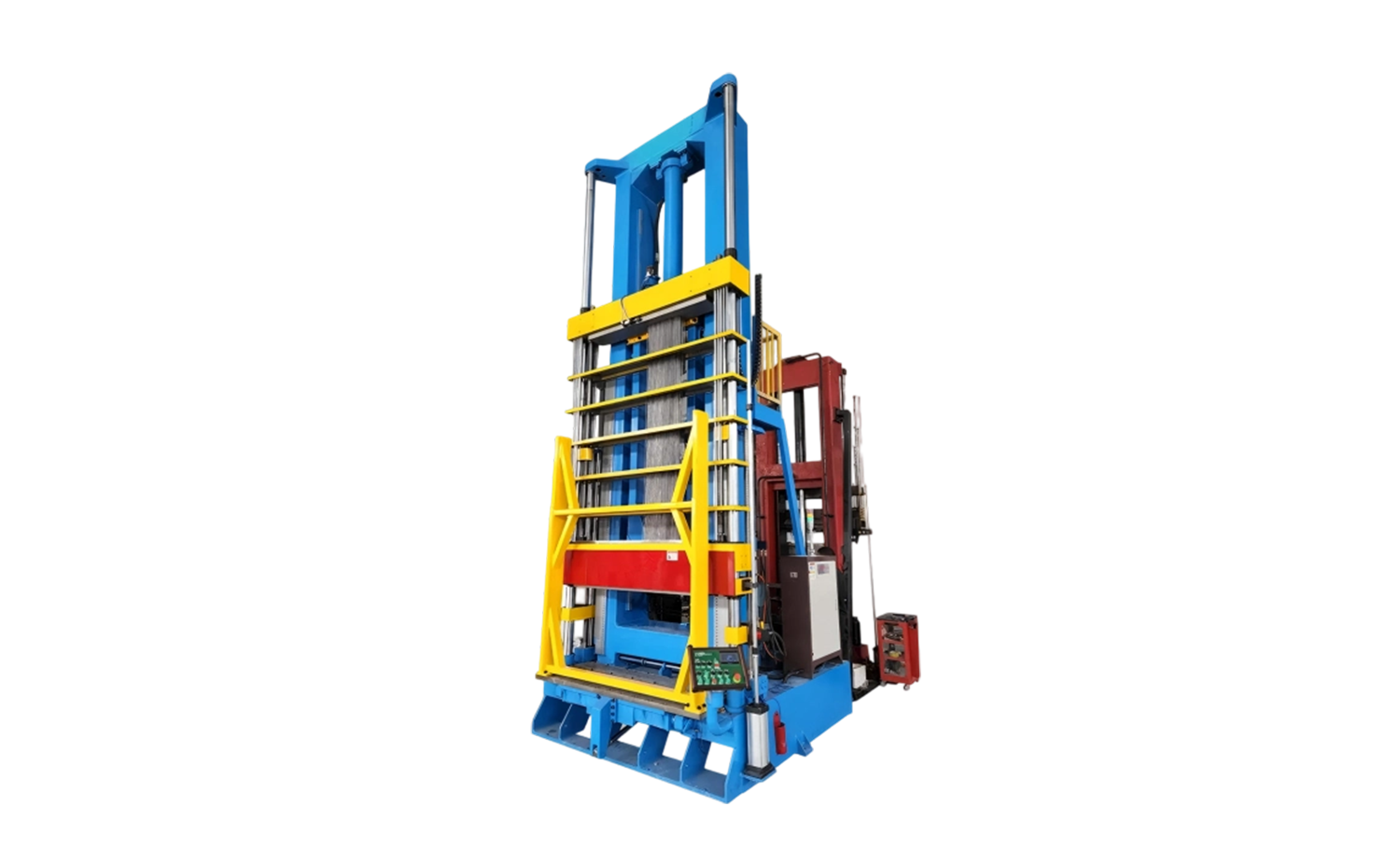
Tube expanding machines are specialized industrial equipment used for end or mid-section diameter expansion, forming, and processing of metal tubes. They are widely applied in the automotive, construction, HVAC, aerospace, home appliance, and machinery manufacturing industries. Modern tube expanding machines combine hydraulic drive, CNC systems, high-precision molds, and mechanical transmission technology to achieve high processing accuracy, high material utilization, and stable production efficiency.
In the supply chain, close collaboration between manufacturers, suppliers, and factories is crucial to ensure equipment performance and production stability. Zhangjiagang HuaShun Machinery Manufacture Co.,Ltd. has relied on its long-term manufacturing experience since its establishment in 2000, continuously introducing advanced Taiwanese bending machine technology, and officially upgraded to the current company name in 2007. The company has a factory covering approximately 6,000 square meters, equipped with two machining centers, six lathes, one boring machine, and twelve drilling machines, capable of producing nearly 60 types of pipe processing equipment, including circular saws, tube benders, tube reduction machines, gear grinders, press brakes, riveters, aluminum cutters, chamfering machines, and rounding machines. In 2023, the company launched the international brand AIKE, integrating mature manufacturing expertise with global service capabilities for overseas clients.
Modern tube expanding machine technology primarily consists of expansion mechanisms, feeding systems, mold design, hydraulic and servo controls, intelligent monitoring, and data analytics systems. Suppliers provide hydraulic components, precision sensors, molds, and control systems, which are essential for high-efficiency operation and processing accuracy. Manufacturers optimize mechanical structure, hydraulic distribution, and mold adjustability to ensure stable high-strength tube processing in factories.
Expansion Mechanism and Core Technology
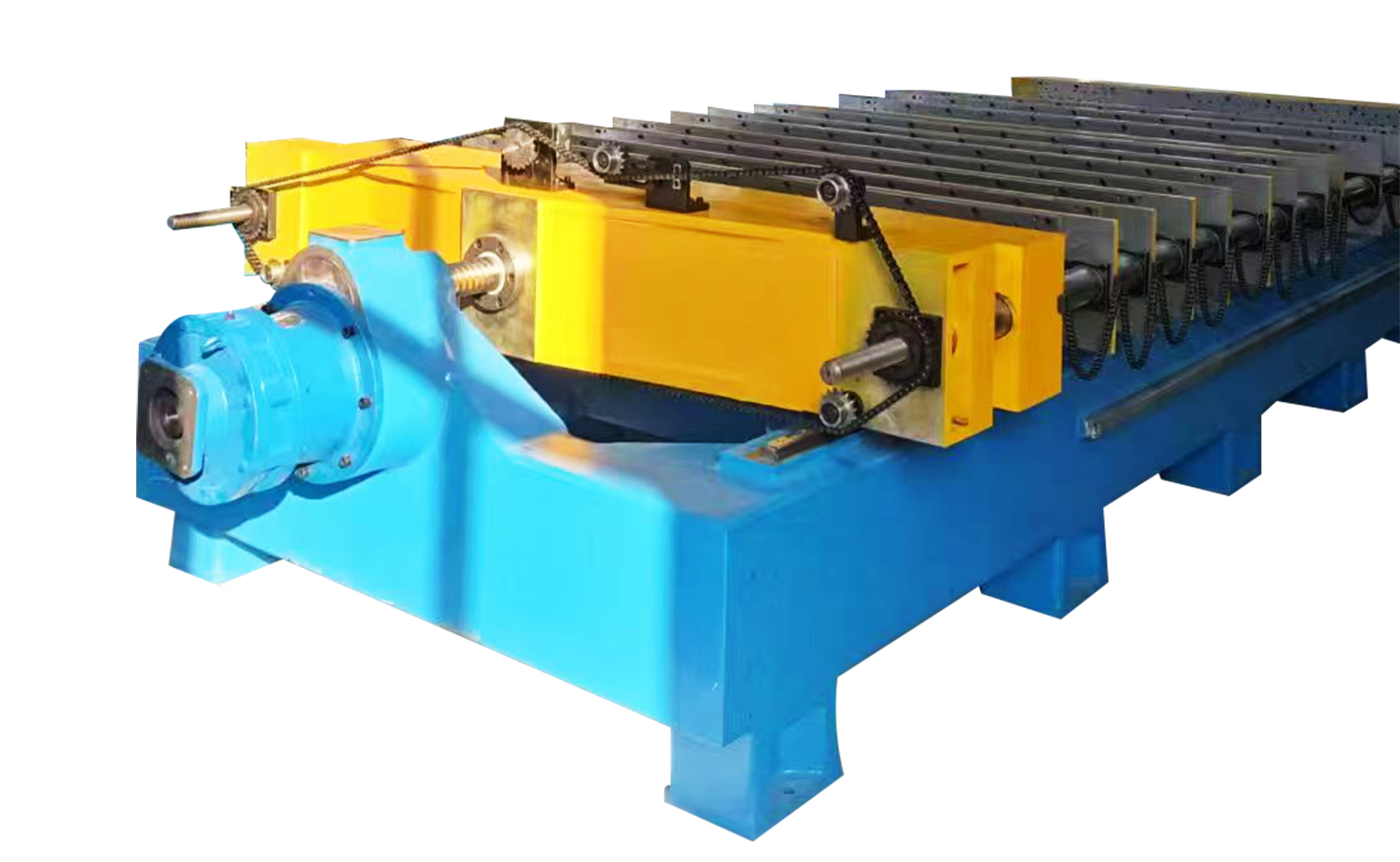
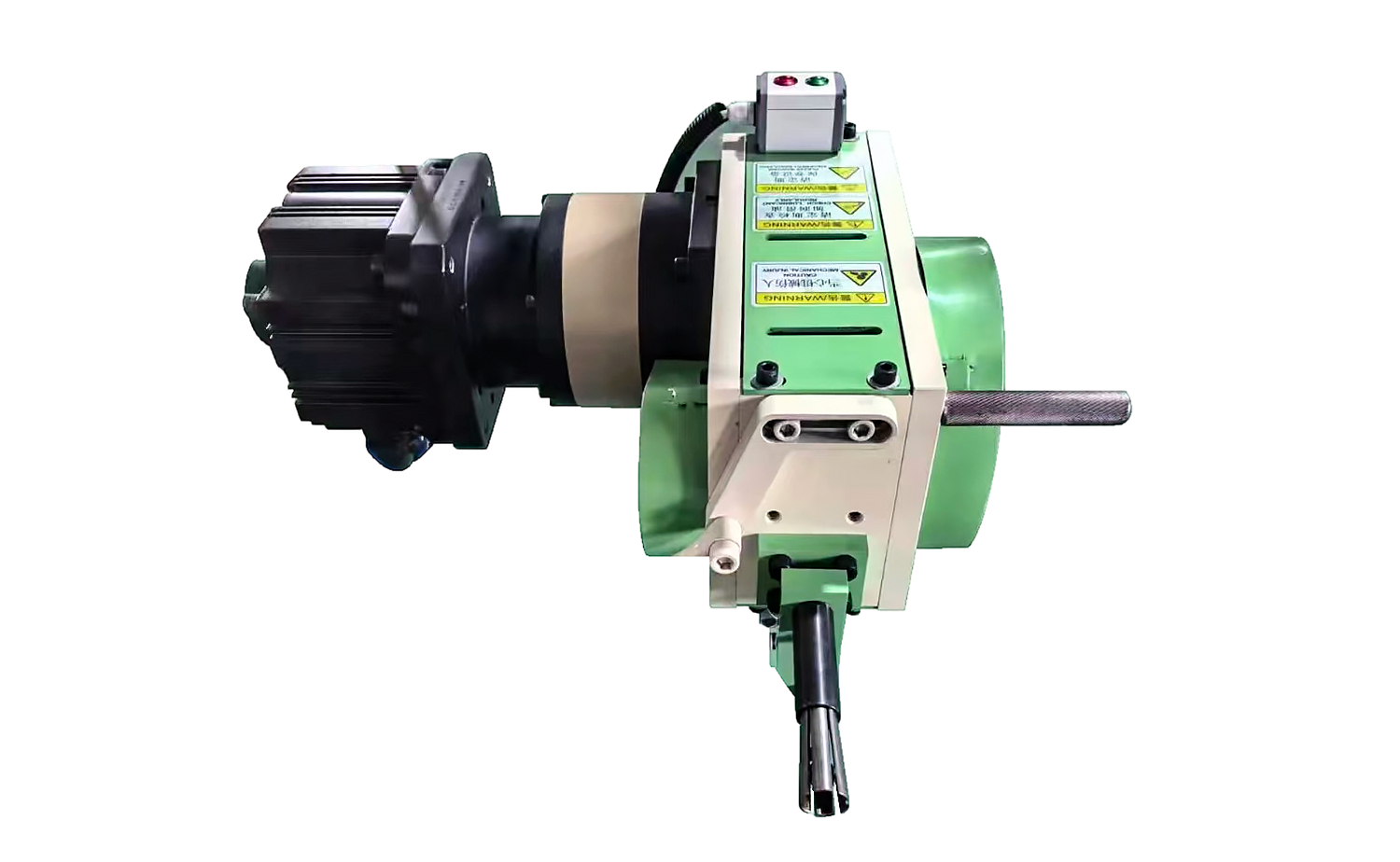
The expansion mechanism is the core of a tube expanding machine, consisting of a hydraulically or mechanically driven expansion head, guide devices, precision molds, pressure monitoring, and sensors. High-end equipment is usually equipped with PLC controls and servo motors, enabling precise control of expansion speed, pressure, and position.
Expansion Head and Mold Design
- Materials are selected as high-strength alloy steel, heat-treated and surface-hardened to ensure wear resistance and longevity.
- Molds are modular and adjustable to accommodate various tube diameters and wall thicknesses, supporting quick replacement and fine adjustment.
- Micro-pressure control is applied for thin-walled tubes to prevent cracking or deformation during expansion.
Hydraulic System and Pressure Management
- Hydraulic pumps and servo valves are configured for closed-loop control, achieving pressure accuracy within ±1%.
- Pressure sensors monitor the expansion process in real-time, with PLC systems automatically adjusting pressure and stroke.
- Multi-station expansion mechanisms allow simultaneous processing of multiple tube ends, suitable for batch production.
Multi-Functional Expansion Design
Modern tube expanding machines integrate expansion, chamfering, punching, and bending functions, enabling factories to complete multiple processes on a single production line. High-precision hydraulic components, sensors, and mold accessories from suppliers ensure stability and processing accuracy for multifunctional operations.
Automated Feeding and Material Handling
The feeding system is critical for factory production efficiency and processing accuracy. Modern tube expanding machines use automated feeding devices, including roller conveyors, rotary clamps, robotic loading/unloading, laser alignment, and sensor monitoring. Automated feeding allows continuous operation, reduces manual intervention, improves expansion accuracy, and lowers operational risk.
Digital Control and Data Recording
Feeding systems are integrated with CNC control and HMI interfaces to record each tube’s processing data, monitor pressure and expansion length, and track processing quality. Data analytics can automatically switch batch production parameters, optimizing production schedules and increasing line controllability.
Practical Application Cases
- Automotive exhaust tube end expansion line: daily output up to 4,500 tubes with ±0.05mm expansion accuracy.
- Building water supply tube production: high-speed feeding combined with multi-station expansion achieves batch end processing while accommodating tube wall thickness variations.
Mold Design and Material Compatibility
Mold design directly affects tube expansion quality, material compatibility, and production efficiency. Modern mold characteristics include:
- High-strength steel construction, heat-treated and surface-hardened for wear resistance.
- Modular and detachable structure for quick replacement of molds with different diameters and wall thicknesses.
- Combined with adjustable hydraulic pressure to achieve deformation-free expansion of thin-walled tubes.
Suppliers provide mold management systems to record mold lifespan, maintenance cycles, and replacement history, reducing production downtime. In practice, thin-walled aluminum tubes for home appliances can be expanded without burrs or cracks through optimized mold design and hydraulic adjustment, increasing material utilization by over 15%.
Industry Applications and Factory Practices of Tube Expanding Machines
Automotive and Machinery Manufacturing
In automotive manufacturing, tube expanding machines are mainly used for exhaust pipes, oil lines, cooling tubes, and vehicle structural components. Factories adopt multi-station expansion machines with automated feeding systems for high-speed batch processing and reduced manual operation. Suppliers provide robotic loading/unloading, quick-change molds, and hydraulic control components, achieving daily outputs of up to 5,000 tubes with ±0.05mm expansion precision.
Practical Cases
- European auto parts factory using HuaShun expansion machines to process hydraulic tubes with PLC-controlled multi-station expansion; daily output exceeds 4,500 tubes, equipment utilization rate over 92%.
- Tube wall thickness between 1.2–3mm; mold micro-adjustment and hydraulic pressure control allow batch processing of various tubes without frequent equipment change.
Construction and Structural Tubes
In construction, tube expanding machines process scaffolding, supports, and ventilation ducts. Modern factories utilize automated feeding, expansion, and online mold replacement systems for efficient batch production. Suppliers provide high-wear hydraulic components and intelligent mold management systems to ensure mold life and processing accuracy. HuaShun tube expanding machines are widely applied in 115 export countries, achieving standardized production and traceable quality.
Home Appliances and Consumer Products
Small-diameter tubes are widely used in home appliances, air conditioning, and medical devices. Factories use thin-walled tube expanding machines with hydraulic pressure adjustment and precision molds to achieve burr-free and deformation-free expansion. Suppliers provide positioning devices, waste recovery, and lubrication systems to ensure continuous operation. Manufacturers provide operation training, remote technical support, and mold management solutions, enhancing both production efficiency and equipment lifespan.
Aerospace and High-Precision Applications
Aerospace tube expansion demands extremely high precision. Lightweight, high-strength tubes (titanium, aluminum alloys) with wall thickness 0.5–2mm are processed using high-precision servo control, multi-station synchronized expansion, and laser measurement, achieving hole accuracy ±0.02mm. HuaShun provides customized tube expanding machines and mold solutions for aerospace suppliers, supporting continuous production under strict quality standards.
Factory Layout and Production Management
Efficient production line layout determines capacity and operator safety. Modern factories adopt U-shaped or linear layouts with buffer zones, automated feeding, and online inspection stations to ensure continuous production. HuaShun’s four production bases use standardized designs, facilitating training, maintenance, and rapid capacity expansion while supporting both small batch customization and large-scale standardized production.
Factories manage molds and tools digitally, recording mold life, maintenance cycles, wear prediction, and spare parts inventory. Suppliers provide automatic mold change devices, mold inspection tools, and maintenance kits to ensure high utilization rates and continuous production.
Intelligent Factory and Data Management
Tube expanding machines integrated with IoT sensors, real-time data collection, and cloud analysis enable intelligent manufacturing:
- Real-time monitoring of expansion force, mold wear, and output
- Predictive mold life and equipment maintenance schedules
- Optimized production scheduling and reduced scrap rates
Supplier-provided data analytics platforms allow remote factory management, production visualization, and predictive maintenance.
Innovation Trends and Technological Upgrades
Multi-Functional Integrated Expansion Machines: Combine expansion, chamfering, punching, and bending, increasing production flexibility. Modular accessories allow rapid function expansion.
Energy-Saving and Environmental Considerations: Optimized hydraulic servo systems, pneumatic circuits, and intelligent control strategies reduce energy consumption and comply with global energy-saving standards.
Data-Driven and Predictive Maintenance: Digital platforms collect production data, analyze trends, and enable predictive maintenance to reduce downtime and improve capacity utilization.
Maintenance and Operation Management
Daily Maintenance: Hydraulic system inspection, mold lubrication, sensor calibration, and periodic replacement of key components.
Fault Diagnosis: Common issues include mold misalignment, uneven expansion, and hydraulic pressure fluctuations. Suppliers provide training and remote technical support for rapid production recovery.
Spare Parts Management: Key spare parts include expansion heads, molds, hydraulic seals, and electronic components. HuaShun delivers globally through its supply chain to ensure uninterrupted production.
FAQ
1. What types of tubes can tube expanding machines process?
They can process carbon steel, stainless steel, aluminum alloys, copper alloys, and tubes of various diameters and wall thicknesses.
2. What are the advantages of Zhangjiagang HuaShun Machinery Manufacture Co.,Ltd.?
25 years of industry experience, 75 technical patents, 4 production bases, 180 employees, and support in 115 export countries. Equipment is stable and reliable with comprehensive after-sales service.
3. What are the benefits of automated tube expanding machines?
Reduced manual intervention, higher accuracy, multi-process integration, data-driven management, and remote monitoring support.
4. What is included in routine maintenance?
Hydraulic system checks, mold lubrication, sensor calibration, and replacement of key components.
5. Can the equipment be customized?
Yes, modular design, interchangeable molds, and software programming adjustments meet different factory requirements.
6. How do suppliers support factories?
Providing hydraulic systems, electronic components, molds, inspection equipment, technical training, and remote support.


 English
 русский
 Español