
 English
 русский
 Español
- NC L Series High-performance Hydraulic Pipe/Tube Bending Machine
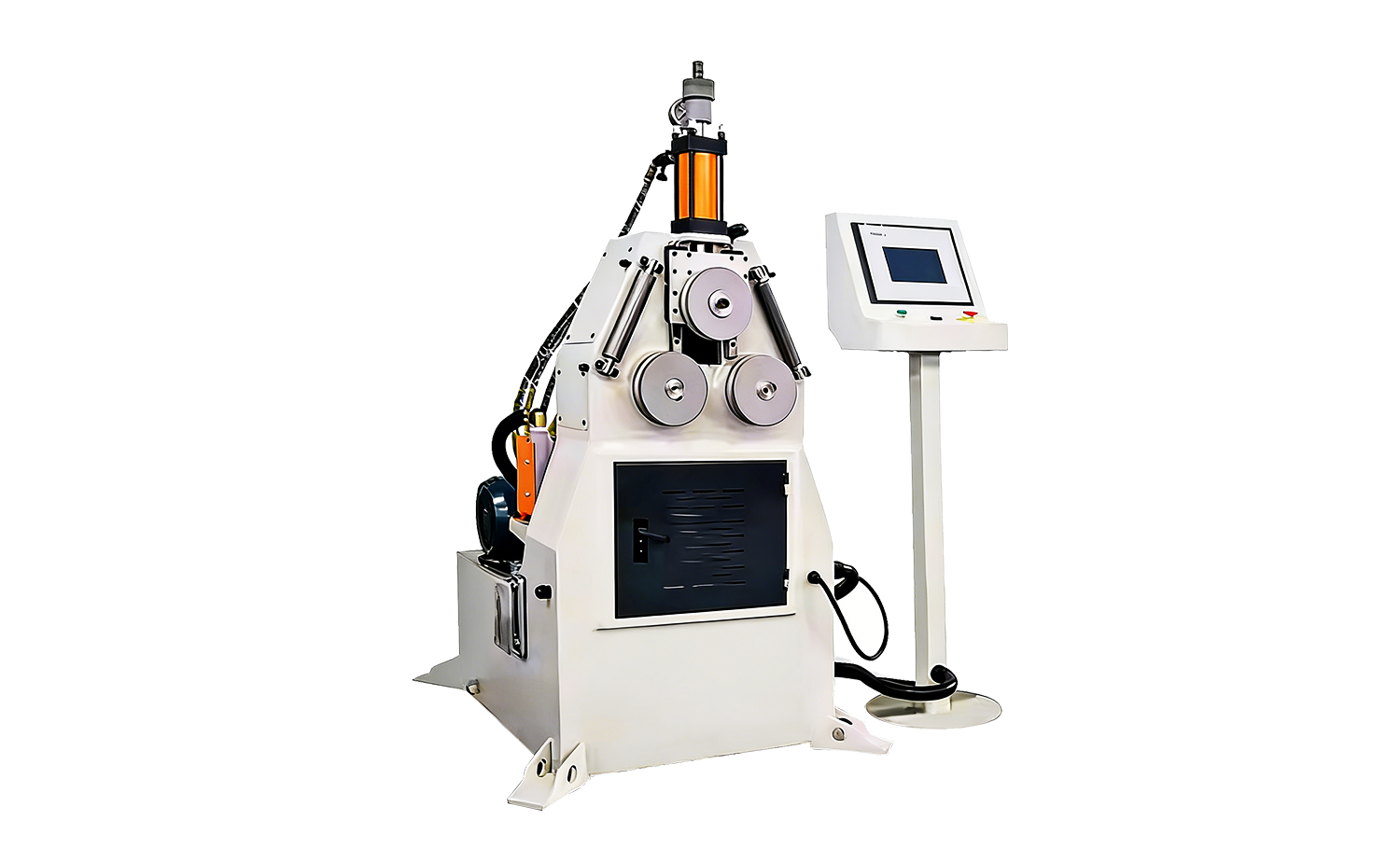
- High Precision CNC Tube Roll Bending Machine
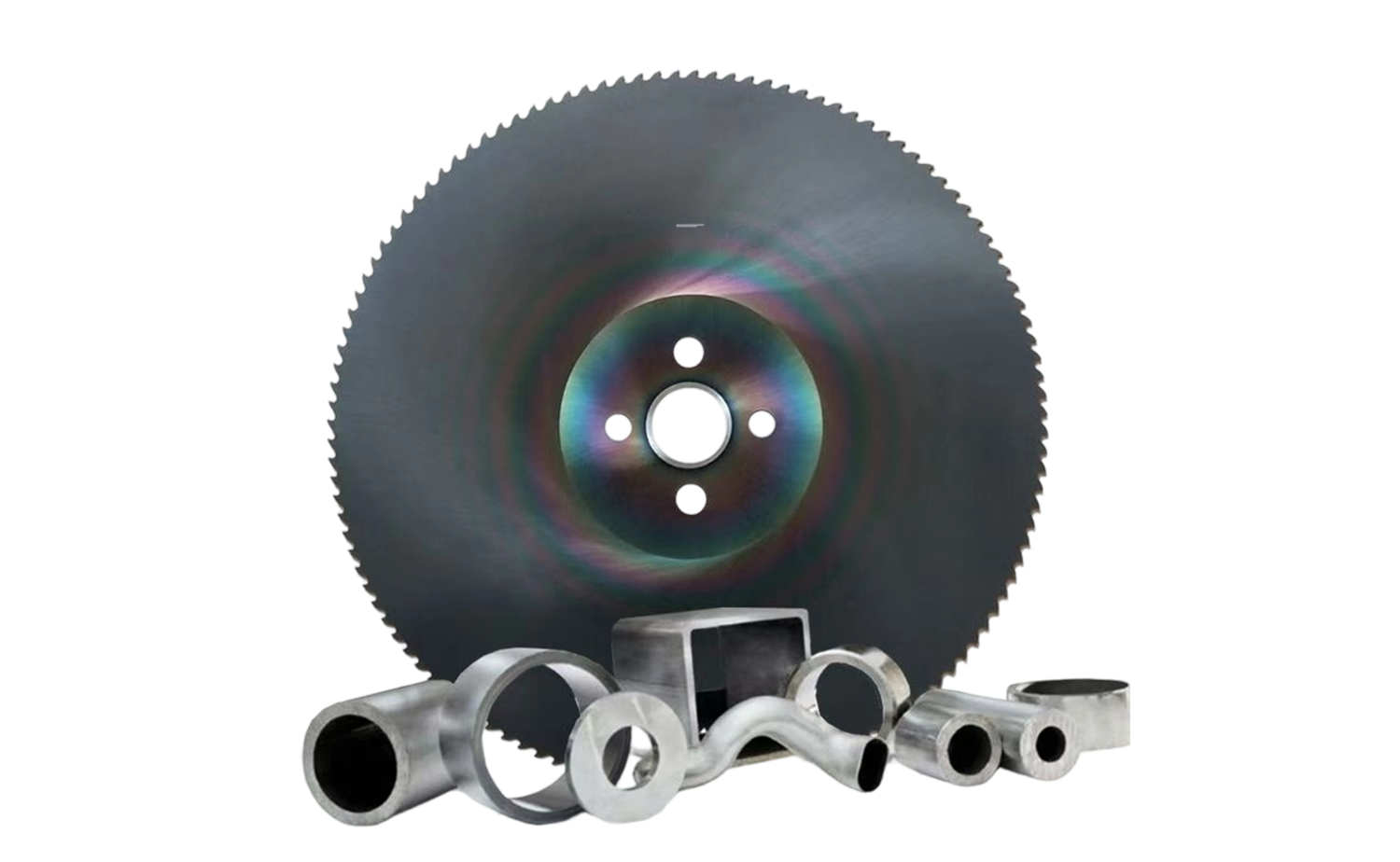
- High-Precision Tube Cutting Saw Blade
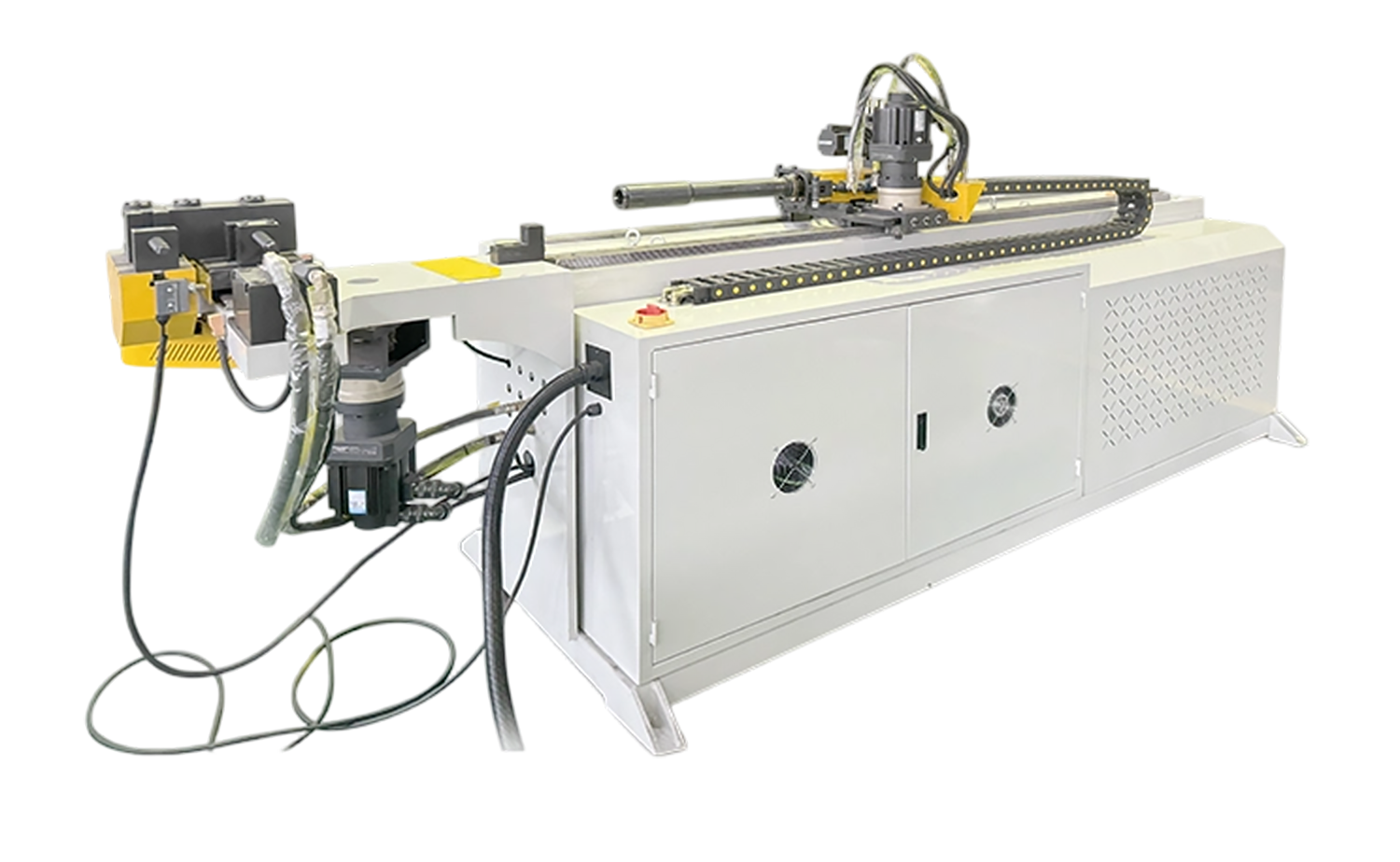
- SS Series Fully Automatic CNC Pipe Bending Machine
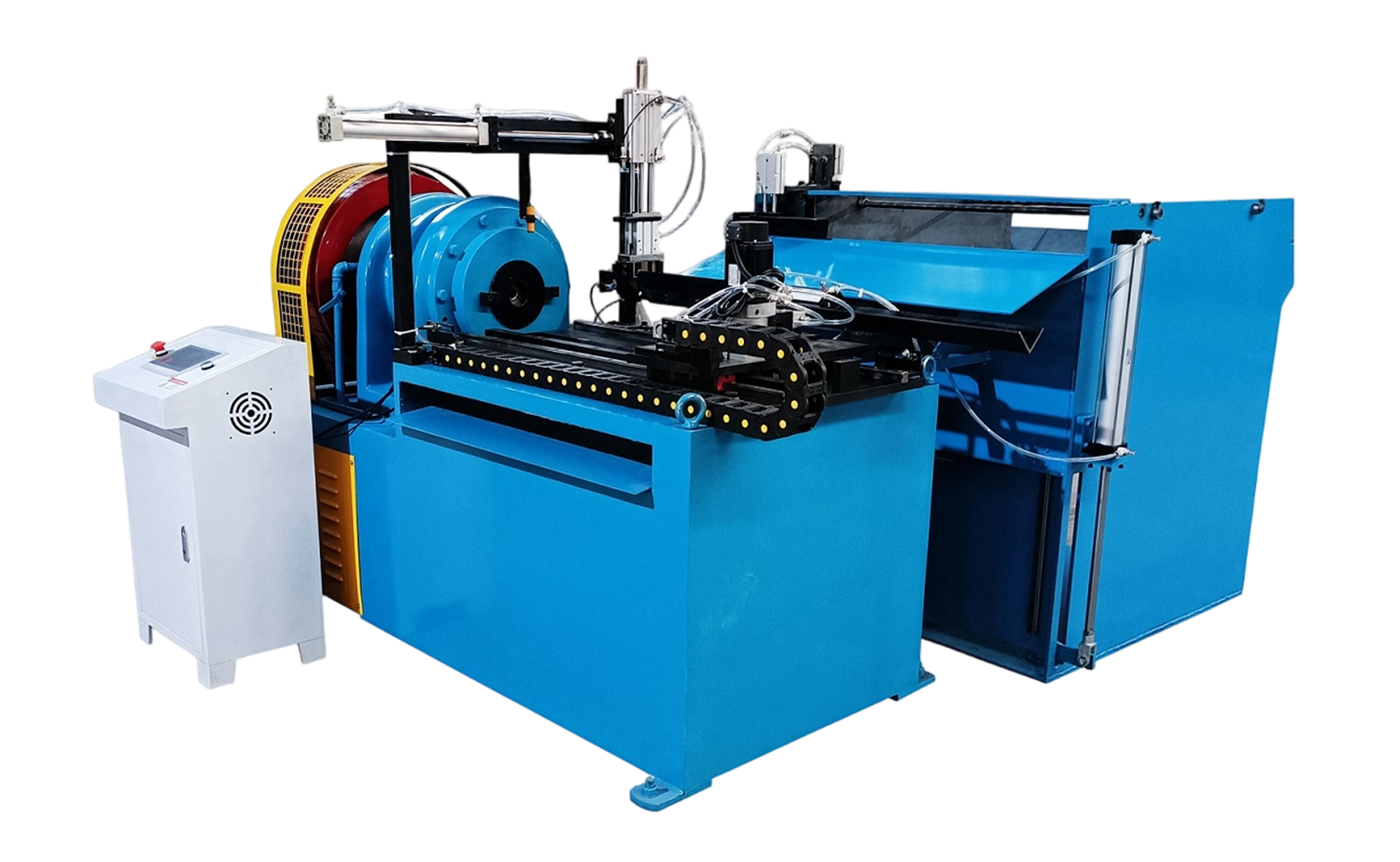
- SC-30 Chipless Tube Straightening and Cutting Machine
- High Precision Forming Fully Automatic Taper Tube Reducing Machine
High Purity Pipe Fabrication: Clean Cutting, Bending and Weld End Prep
Date:Nov 06, 2026
Content
High purity pipe looks simple on a purchase order: a grade, a size, a surface finish. On the shop floor it becomes a chain of small decisions. One abrasive cut, one dry bend, or one hand-held deburring tool can leave a burr, heat tint, or lubricant film that turns a clean tube into a rework item. We build tube processing equipment, and most high-purity conversations start with one question: where does contamination enter your process?
What Makes High Purity Pipe Different?
“High purity” is not one universal specification. It is shorthand for tubing that must carry ultrapure water, clean steam, process gas, food, or pharmaceutical fluids without adding particles, ions, or microbes. The acceptance criteria vary by industry, but the common thread is that the inside surface matters as much as the alloy.
- Material and melt practice: 316L stainless is common, often with low sulfur and controlled inclusion content so the surface polishes and welds predictably.
- Surface finish: Mill finish, mechanical polish, and electropolish are specified in Ra or µinch values. A typical requirement might be 0.5 µm Ra or better on the product contact surface.
- Cleanliness: Degreasing, passivation, rinsing, drying, and capping are part of the product, not optional extras.
- Fabrication quality: A square, burr-free cut; a smooth bend with limited wall thinning; and a weld-ready end prep protect the finish the mill supplied.
The practical goal is simple: do not downgrade the tube during fabrication.
Where High Purity Pipe Is Used
You will find high-purity tubing in semiconductor water and gas lines, pharmaceutical and biotechnology process systems, food and dairy lines, chemical processing, and clean steam or cooling loops where particle control matters. Each sector writes its own rules. A pharmaceutical line may care most about cleanability and weld quality; a semiconductor line may focus on metallic ion release and roughness; a food plant may prioritize drainability and crevice-free joints.
Our application pages group these industries, but the equipment discussion is often the same: cut cleanly, bend without damaging the bore, and prepare the end for a repeatable weld or fitting.
Cutting: The First Place Contamination Starts
A high-purity tube cut is not just about length. The cut face should be square, the burr minimal and removable, and the method should not embed abrasive grit or leave a heat-affected zone that later discolors or cracks. Lubricant residue matters too, especially if the tube will be welded without a full re-clean.
| Method | Typical edge quality | Main contamination risk | Good fit |
|---|---|---|---|
| Abrasive saw | Burr and rough face | Abrasive grit, heat, lubricant | Rough cut-off before machining |
| Cold saw | Square but burr-prone | Metal burr, coolant residue | General stainless fabrication |
| Laser cutting | Narrow kerf, dross possible | Heat tint, dross, purge gas quality | Complex shapes and thin walls |
| Chipless cutting | Clean, low-burr, square | Tool marks if tooling is worn | Small-to-medium OD tube and high-purity work |
For stainless tube that will be welded or inspected with a borescope, chipless or ring cutting is often easier to control than an abrasive saw. The tube is supported, the cut is made by deformation and separation rather than grinding, and there is no abrasive slurry to chase out of the bore.
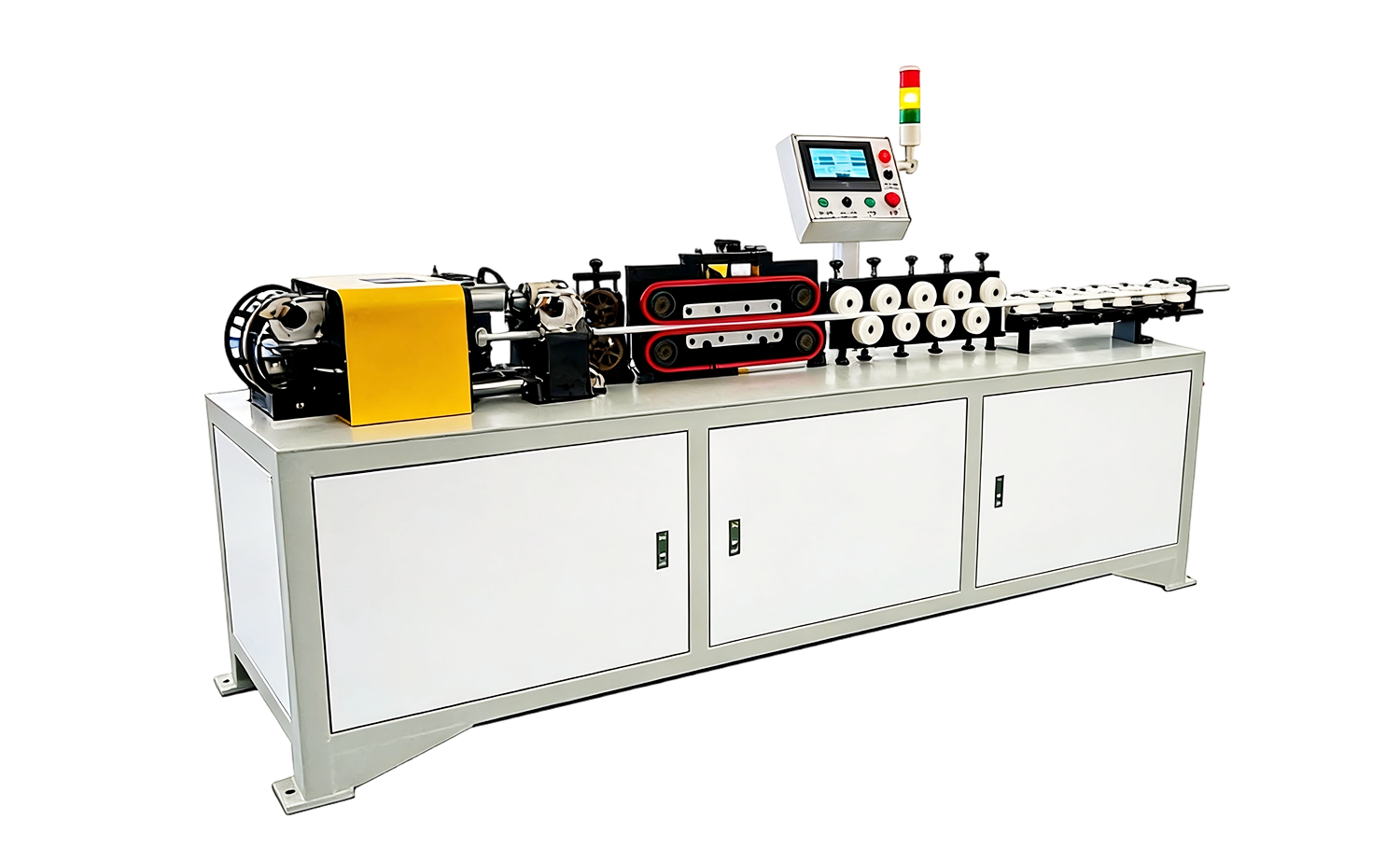 SC-30 Chipless Tube Straightening and Cutting MachineFor clean tube ends before welding or inspection, this machine combines straightening and chipless cutting for copper and aluminum tube with PLC control.View Product →
If you use laser cutting, treat the cut as a process step that needs verification: check dross, check heat tint, confirm purge, and clean before the next operation. A beautiful kerf does not compensate for a contaminated ID.
Bending Without Creating a Hideout
Bending changes the bore. A mandrel bender with a wiper die can hold the inside surface smooth and limit wall thinning, but the setup has to match the material, wall thickness, and bend radius. Too little mandrel support gives you ripples and ovality. Too much force or the wrong lubricant gives you scratches or residue that is hard to remove.
In high-purity work, lubricant choice is a real decision. Some shops use a clean water-soluble lubricant and remove it immediately; others prefer near-dry tooling for small radii. The right answer depends on your cleaning validation. The equipment should make repeatability possible through stored programs, controlled mandrel retraction, and consistent bend speed.
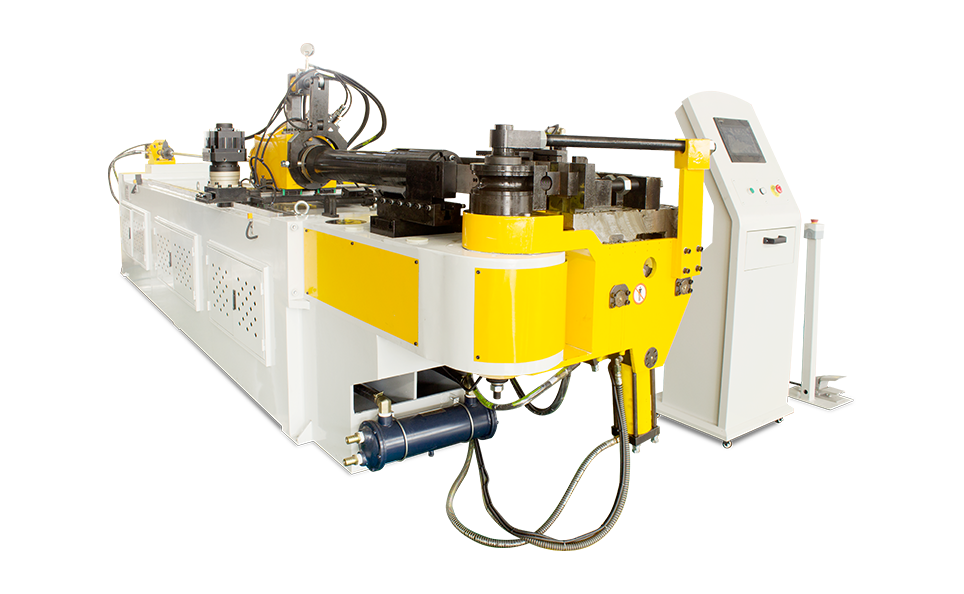 CNC M Series Fully Automatic Multi-Radius Tube Bending MachineFor repeatable high-precision bending, the SB-75CNC combines three programmable servo axes, hydraulic assist, and mandrel lubrication in a fully automatic machine.View Product →
Wall thickness deserves its own check. Thin-wall tube can wrinkle with less springback, while heavy-wall tube needs more force and may thin more on the outside radius. Our thin-walled pipe guide covers the practical relationship between wall thickness, bend radius, and tooling.
End Prep: Chamfer, Deburr, and Fit-Up
The end of a high-purity tube is where the weld happens, so it is also where small defects become expensive. A weld prep needs a consistent chamfer angle, a controlled land, and a clean face. A burr on the ID can disturb purge flow, create a crevice, or shed particles into the line. A burr on the OD can interfere with orbital welding alignment.
Hand files and deburring tools still have a place in repair work, but they are difficult to repeat in production. A dedicated chamfering machine gives you a fixed blade angle, consistent depth, and a clean cut without dragging abrasive material through the bore. For tube that will be welded autogenously, check the end prep with a profile gauge and a borescope, not just a visual glance.
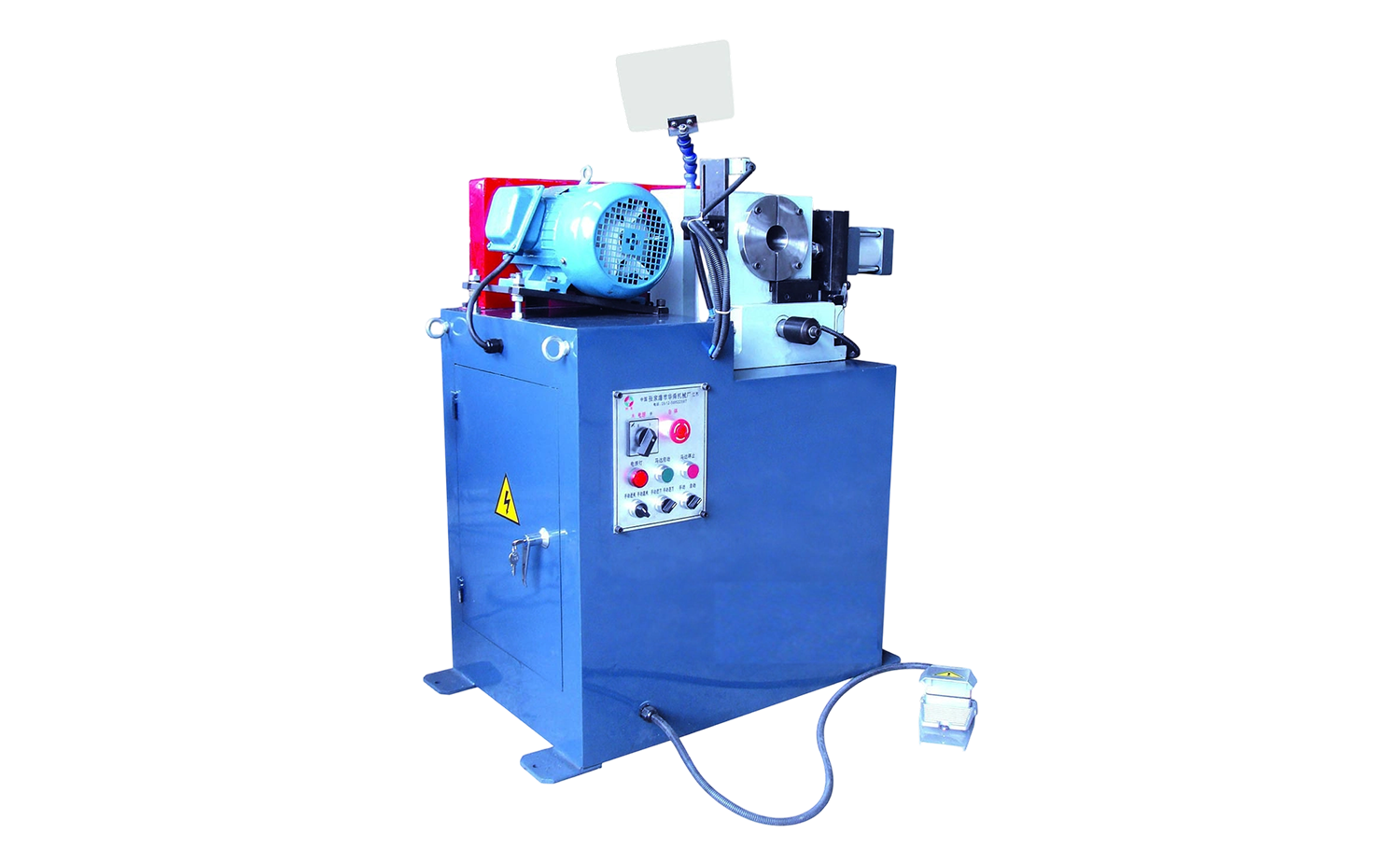 EF AC Series High Precision Single Head Tube Chamfering MachineFor repeatable end prep before welding, this semi-automatic chamfering machine delivers consistent blade angle and depth on carbon steel, stainless, copper, and aluminum tube.View Product →
After chamfering, cap or bag the ends if the tube will wait. A clean chamfer can collect dust as easily as a rough one.
Cleanliness Between Operations
High-purity fabrication is not a single machine; it is a sequence of protections. A few habits make a measurable difference:
- Keep dedicated fixtures and tooling for stainless and high-alloy tube. Carbon steel contact leaves free iron that can rust and contaminate the surface.
- Cap or plug tubes after cutting, bending, and end prep. Do not rely on a quick air blow to remove everything.
- Avoid chlorinated solvents and shop rags that leave lint. Use clean, lint-free wipes and the cleaning chemistry your validation allows.
- Control lubricant at the source. Use the smallest amount that works, and remove it before welding or passivation.
- Inspect with light and a borescope at the same points every time. Consistency catches problems earlier than a final visual check.
These are not equipment features, but they decide whether a clean cut stays clean.
Choosing Equipment Without Overbuying
Not every high-purity line needs a fully automatic cell. Start with the tube: OD, wall, alloy, bend radius, and the required surface finish after fabrication. Then define the acceptance criteria: burr height, chamfer geometry, ovality, wall thinning, and allowable heat tint. That information narrows the choice quickly.
- For low-volume or repair work, a semi-automatic bender and a dedicated chamfering station may be enough.
- For repeat production, CNC bending with stored programs reduces operator variation.
- For critical ID cleanliness, invest first in cutting and end prep; those operations are most likely to leave a burr or embedded contamination.
It also helps to bring a sample tube and your inspection standard to a machine trial. A cut that looks good under shop light may fail under a borescope, and a bend that passes a visual check may still thin the wall beyond your limit.
Final Thoughts
High purity pipe is a specification, but high-purity fabrication is a discipline. The mill supplies the surface; cutting, bending, and end prep either protect it or quietly undo it. If you are planning a new line or fixing a recurring burr problem, start with the cut and the end prep, then work backward through bending and cleaning. That order usually reveals the real source of contamination faster than a catalog full of options.
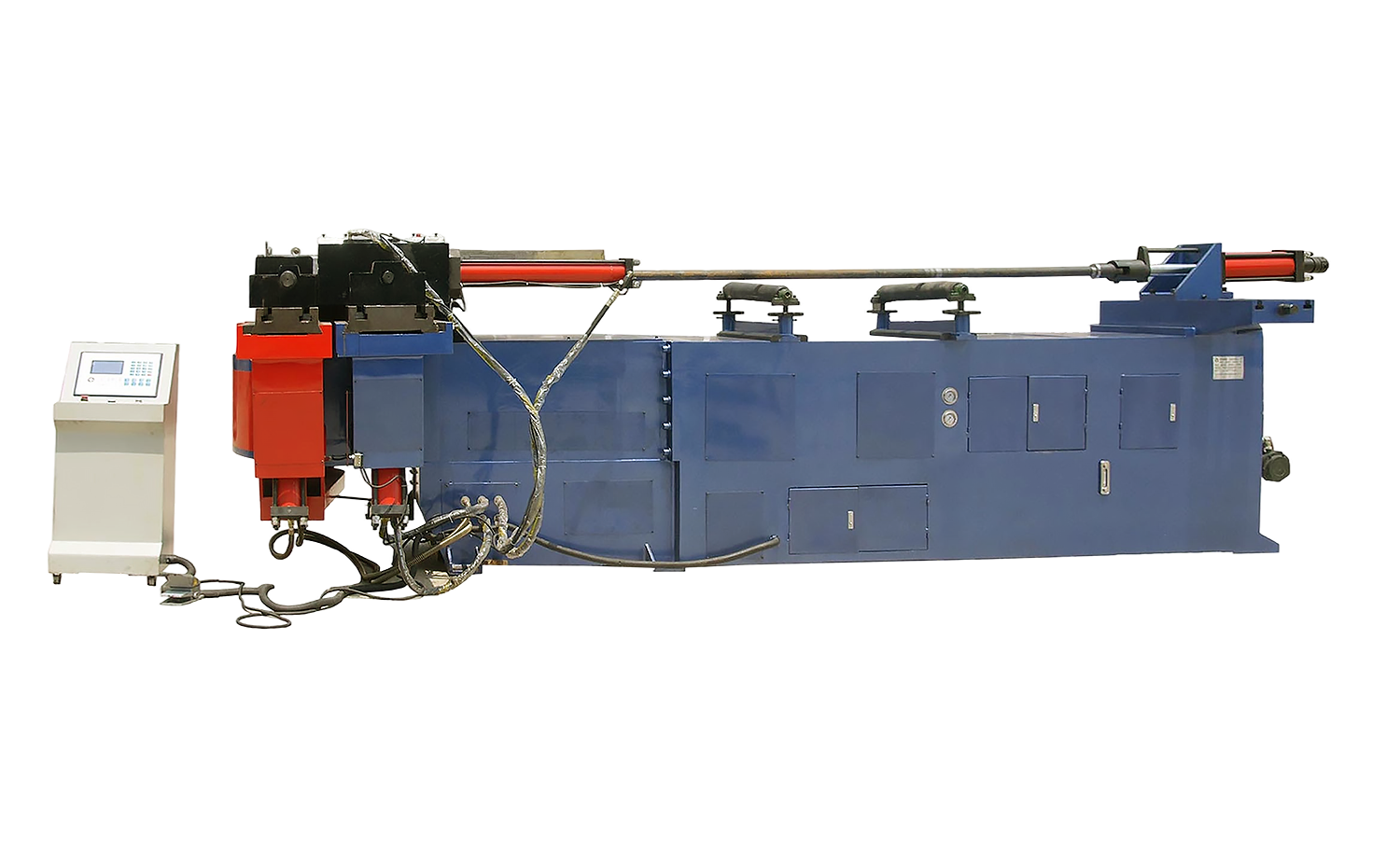


Copyright © 2025 Huashun Technology All Rights Reserved.
Custom Precision Tube Forming Machine Manufacturers