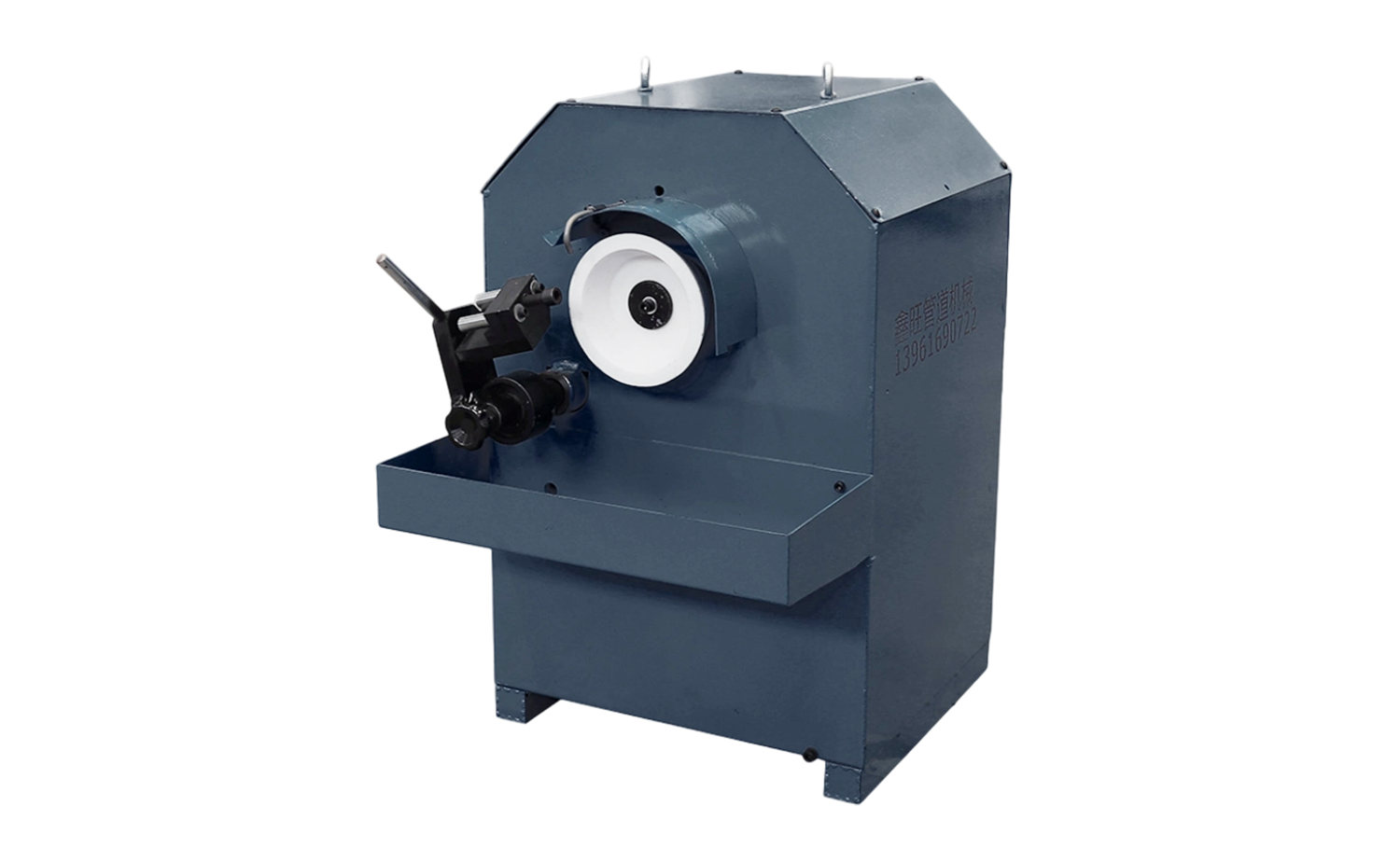
Fire Protection Tube Machinery: Industry Overview and Technical Analysis
In modern construction and industrial projects, fire protection systems are a core component for safety. Fire protection tubes not only carry firefighting water but must also maintain sealing and stability under high pressure and long-distance transport. This places higher demands on fire protection tube machinery, especially regarding machining precision, production efficiency, and automation level.
Zhangjiagang HuaShun Machinery Manufacture Co.,Ltd., as an industry-leading manufacturer, has developed a full range of equipment for fire protection tube processing, including double-head grooving machines, tube cutting machines, and end forming machines, providing high-performance, reliable solutions for suppliers and factories.
The core objective of fire protection tube processing is to achieve high-precision grooving, cutting, and end forming so that the pipes have tight joints, low fluid resistance, and reduced installation and maintenance difficulty. Traditional manual processing or low-precision equipment cannot meet the demands of large-scale projects, resulting in long production cycles and poor machining accuracy, affecting the overall reliability of the fire protection system. Therefore, there is an increasing industry demand for high-efficiency, intelligent tube processing equipment.
In factory production environments, the application of fire protection tube machinery involves not only individual machines but also the coordination of production lines. The interconnection and automation control of equipment are crucial for improving production capacity and ensuring machining consistency. Manufacturers, suppliers, and factories form a complete ecosystem: manufacturers provide technology and equipment development, suppliers handle market promotion and technical support, and factories manage production and processing to achieve end-to-end efficient workflows.
Core Technology of Double-Head Grooving Machines and Factory Applications
Material Rack Design and Function Expansion
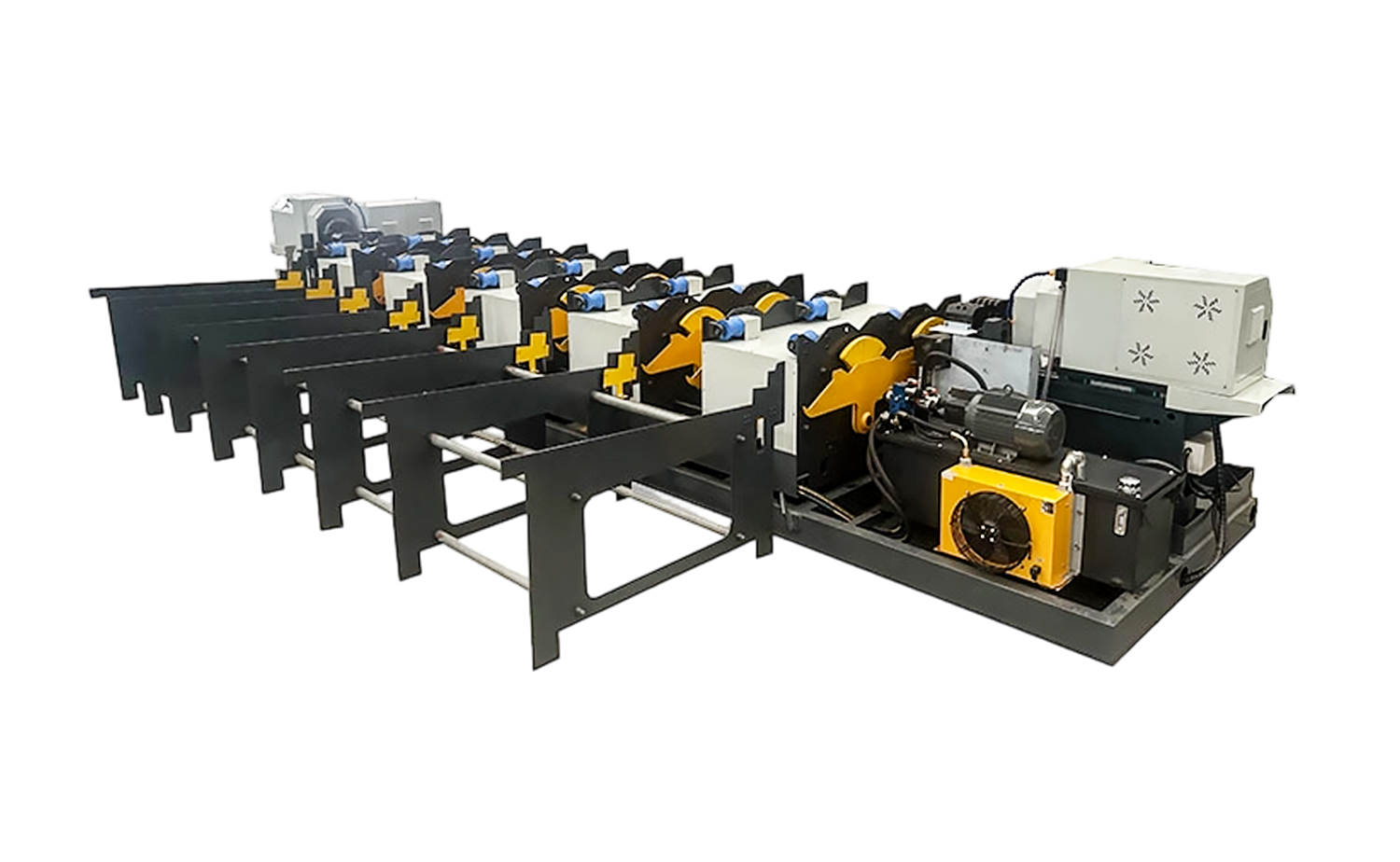
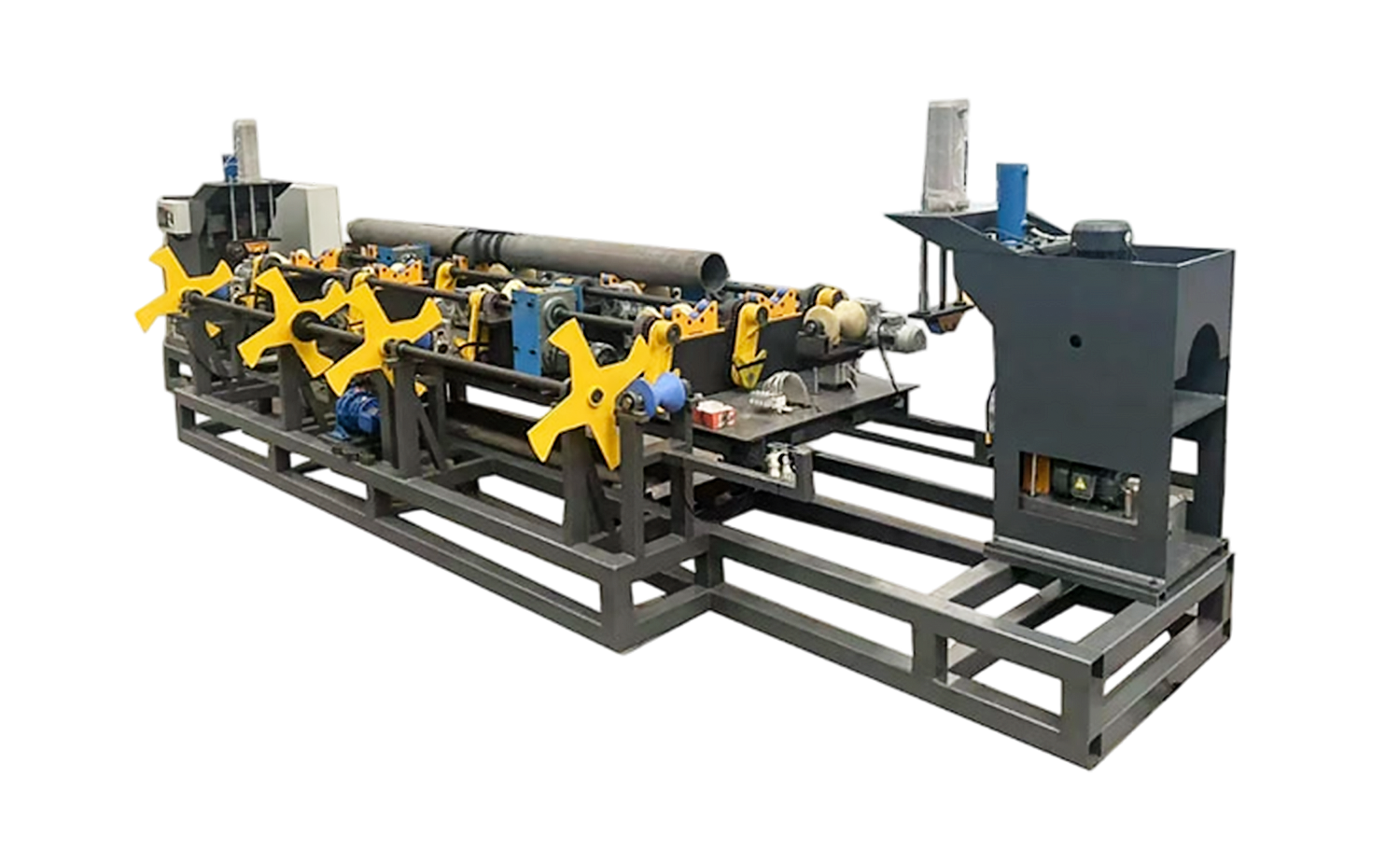
The material rack is the starting point for pipe processing, used to store and stabilize pipes. High-quality material racks are made from wear-resistant steel, capable of withstanding the weight of large volumes of pipes during long-term production, ensuring no pipe deviation or vibration during machining. Factories can select modular material racks according to different pipe lengths and diameters, flexibly meeting production needs.
The material rack is also equipped with safety protection devices to ensure operator safety during loading and unloading. Manufacturers design with ergonomics in mind, making the operation height and angle human-friendly, reducing worker fatigue and improving efficiency. Suppliers provide layout solutions based on workshop space and production rhythm to ensure smooth processing workflows.
Feeding System and Precision Control
An advanced feeding system is key to ensuring grooving accuracy. The double-head grooving machine is typically equipped with high-precision rollers, servo motors, and synchronized transmission devices, achieving automatic, stable, and precise pipe feeding. The feeding system can automatically adjust feed speed and position for different pipe specifications, ensuring consistency in the grooving unit.
In actual factory applications, the feeding system can be linked with other production line equipment, achieving continuous processing from cutting to grooving. Suppliers provide feeding system debugging solutions to ensure factories reach production rhythm quickly. Manufacturers leverage years of R&D experience to optimize feeding paths and control algorithms, minimizing pipe deviation or vibration during transport and improving production efficiency and groove quality.
Translation Mechanism and High-Precision Positioning
The translation mechanism allows the grooving unit to move precisely along the pipe length and is crucial for groove consistency. Manufacturers use ball screw guides and high-performance servo systems to achieve micron-level positioning, ensuring every groove meets fire protection standards.
In factories, the translation mechanism allows flexible programming based on pipe length and groove numbers, enabling automated batch production. Suppliers provide maintenance guides and calibration methods, ensuring stable operation over time. High-precision translation not only improves machining quality but also shortens production cycles, helping factories maintain competitiveness in large-scale projects.
Grooving Unit and Multi-Functional Machining
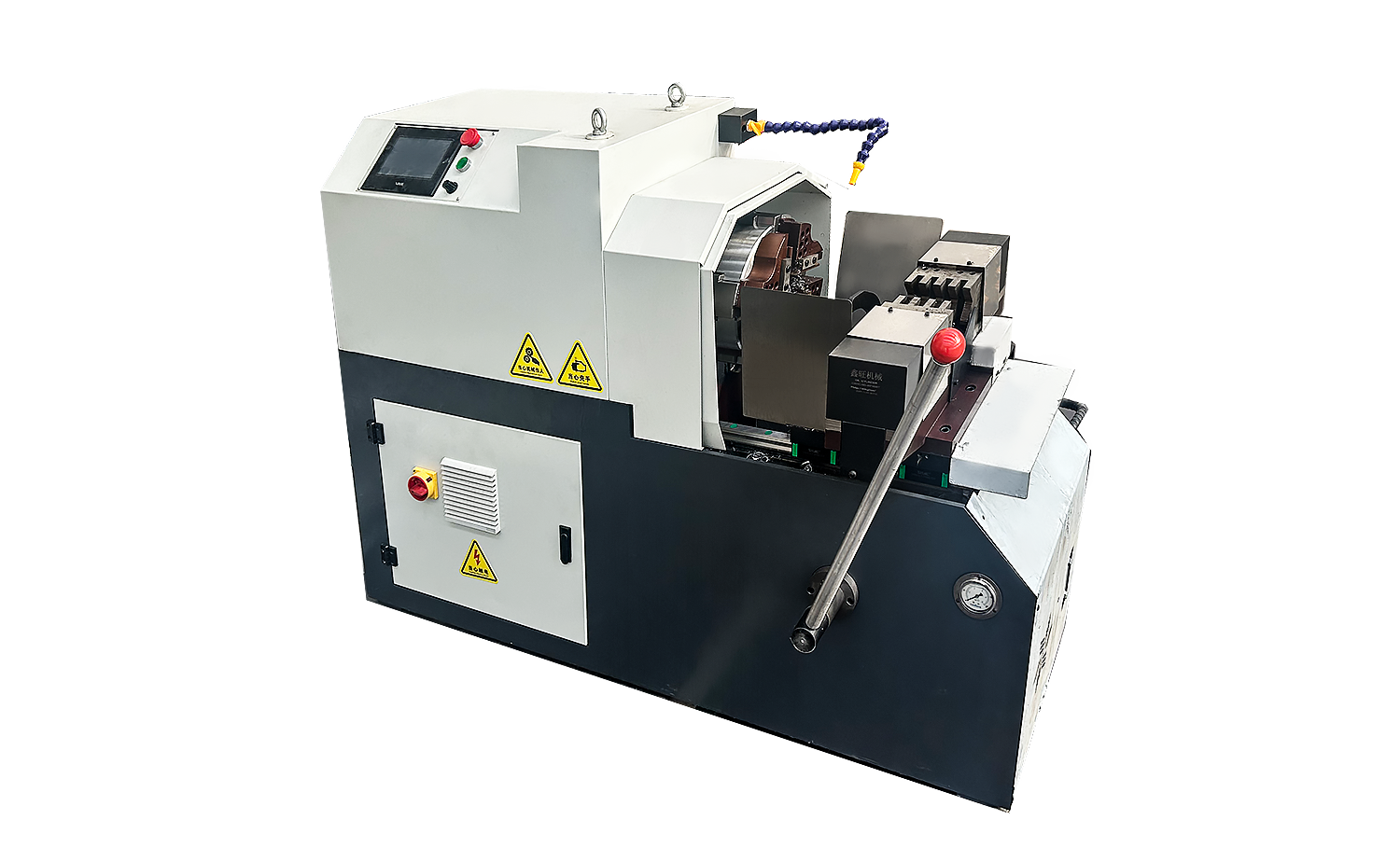
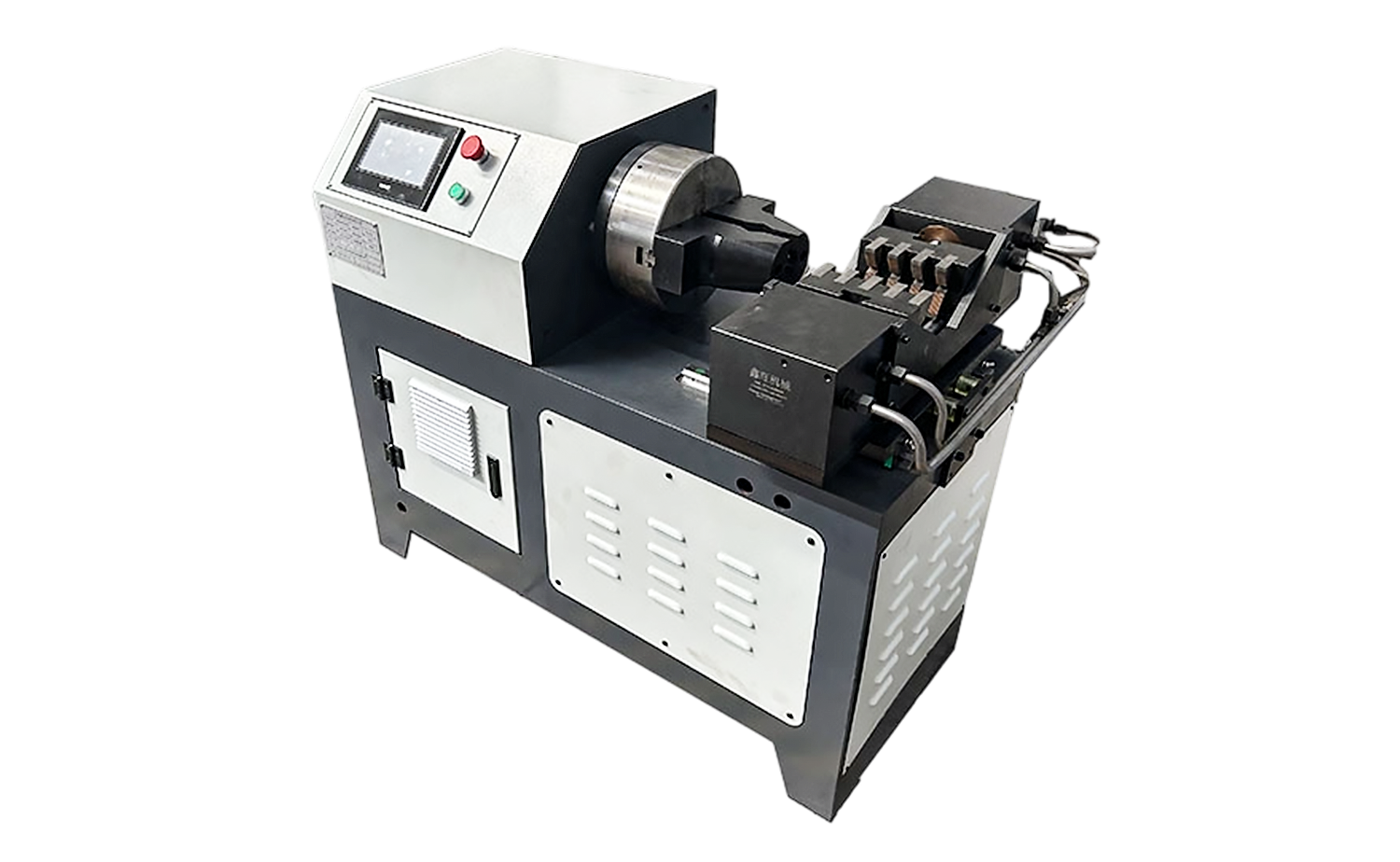
The grooving unit is the core of the double-head grooving machine, using high-speed rotating cutters for precise groove machining. Manufacturers select carbide cutters and use intelligent control systems to adjust cutting depth, speed, and feed, ensuring quality for various pipe materials.
Factories can choose different groove profiles according to project needs, enabling thread, press-fit, or welding connections. The grooving unit also supports multi-diameter and multi-material switching, giving high flexibility. Suppliers provide cutter selection and processing parameter suggestions based on factory capacity and pipe specifications, helping factories adapt quickly to diverse project requirements.
Factory Management, Production Optimization, and Industry Cases
Production Line Layout and Efficiency Optimization
In factory planning, double-head grooving machines are typically combined with tube cutting machines, end forming machines, and automatic welding equipment to form processing units. Proper production line layout reduces pipe handling distance and increases production rhythm. Factories configure multiple grooving units based on daily processing volume, pipe specifications, and process requirements to achieve efficient assembly line operations.
Digital management systems monitor equipment status in real-time, record processing parameters for each pipe, and generate production reports for process optimization. Suppliers provide software training to help factories achieve intelligent management.
Equipment Maintenance and Cutter Management
Long-term stable operation depends on systematic maintenance and cutter management. Factories establish regular inspection schedules, including feeding system calibration, translation mechanism lubrication, grooving unit cutter wear checks, and replacement cycles. Manufacturers provide detailed maintenance manuals and remote support to ensure quick problem resolution.
Cutter life is affected by pipe material, machining speed, and cutting parameters. Factories adjust replacement cycles based on actual production data, minimizing downtime while ensuring groove precision and surface quality. Suppliers also provide cutter optimization suggestions to extend tool life and reduce production costs.
Industry Application Cases
1. Large Shopping Mall Fire System
In a domestic project exceeding 100,000 square meters, factories used double-head grooving machines for fire protection pipe processing. By linking with cutting and end forming machines, factories completed all steel pipe grooving and end processing within two weeks, with groove depth deviation within ±0.05 mm, achieving high-precision requirements.
2. High-Rise Building Fire Pipes
In a high-rise residential project using stainless steel pipes, factories adjusted cutter and feed parameters on the double-head grooving machine for precise grooving of different diameters. Using digital management systems, factories monitored each batch’s processing parameters, ensuring consistent joints.
3. Overseas Industrial Project
In a Southeast Asia industrial park project, factories used equipment provided by Zhangjiagang HuaShun Machinery Manufacture Co.,Ltd. The equipment met international standards (CE, ISO), and suppliers provided remote debugging and training support, allowing local factories to start production quickly while maintaining quality and rhythm.
Technical Innovation and Future Trends
Intelligent Control and Remote Management
Double-head grooving machines integrate PLC control systems and human-machine interfaces to adjust cutting parameters automatically, perform fault self-diagnosis, and enable remote monitoring. Suppliers can remotely access equipment data to provide technical support and production optimization. Intelligent control improves efficiency and ensures operational safety.
Multi-Functional Integration and Modular Design
Modern factories prefer single machines capable of multiple processes. The double-head grooving machine’s modular design allows grooving, cutting, and end forming integration, increasing equipment utilization. Factories can quickly add or remove modules according to production demand, achieving flexible production line expansion.
Green Energy and Material Optimization
The equipment uses high-efficiency motors, optimized cutter paths, and reduced material waste to lower energy consumption and production costs. Manufacturers focus on material optimization to extend equipment life, meeting sustainability requirements.
Global Market Expansion and Standardization
Manufacturers provide equipment that meets international standards to help suppliers and factories expand globally. The equipment complies with ISO, CE certifications and adapts to local fire protection pipe processing regulations and safety standards.
FAQ (Frequently Asked Questions)
Q1: What types of fire protection pipes are compatible with the double-head grooving machine?
A1: Suitable for steel, stainless steel, galvanized steel, and composite pipes, with automatic groove parameter adjustment.
Q2: How automated is the equipment?
A2: Equipped with PLC control and feeding systems for automatic feeding, grooving, translation, and fault alerts.
Q3: What after-sales services do manufacturers provide?
A3: Installation, commissioning, operator training, and remote technical support to ensure smooth factory startup.
Q4: How can factories improve equipment utilization?
A4: Through efficient line layout, regular maintenance, cutter management, and digital monitoring to enhance production efficiency.
Q5: Does the equipment meet international standards?
A5: Yes, compliant with ISO and CE standards for domestic and overseas fire protection projects.
Q6: What is cutter lifespan and replacement cycle?
A6: Depends on pipe material and cutting parameters; generally, cutters are inspected and replaced after processing a certain quantity of pipes.
Q7: Can special pipe specifications be processed?
A7: Yes, groove type and feeding parameters can be adjusted to accommodate different diameters and groove profiles.
Q8: How should suppliers select the right model?
A8: Based on factory capacity, pipe specifications, and project requirements, referencing manufacturer specifications and technical parameters.
Q9: Is equipment maintenance complicated?
A9: Designed for easy maintenance; key parts are modular for quick replacement and troubleshooting.
Q10: How much efficiency gain does the double-head grooving machine provide?
A10: Compared with traditional manual processing, production efficiency can increase 2–3 times while maintaining stable groove quality.


 English
 русский
 Español