Taper Tube Reducing Machine Technology Principles and Industry Applications
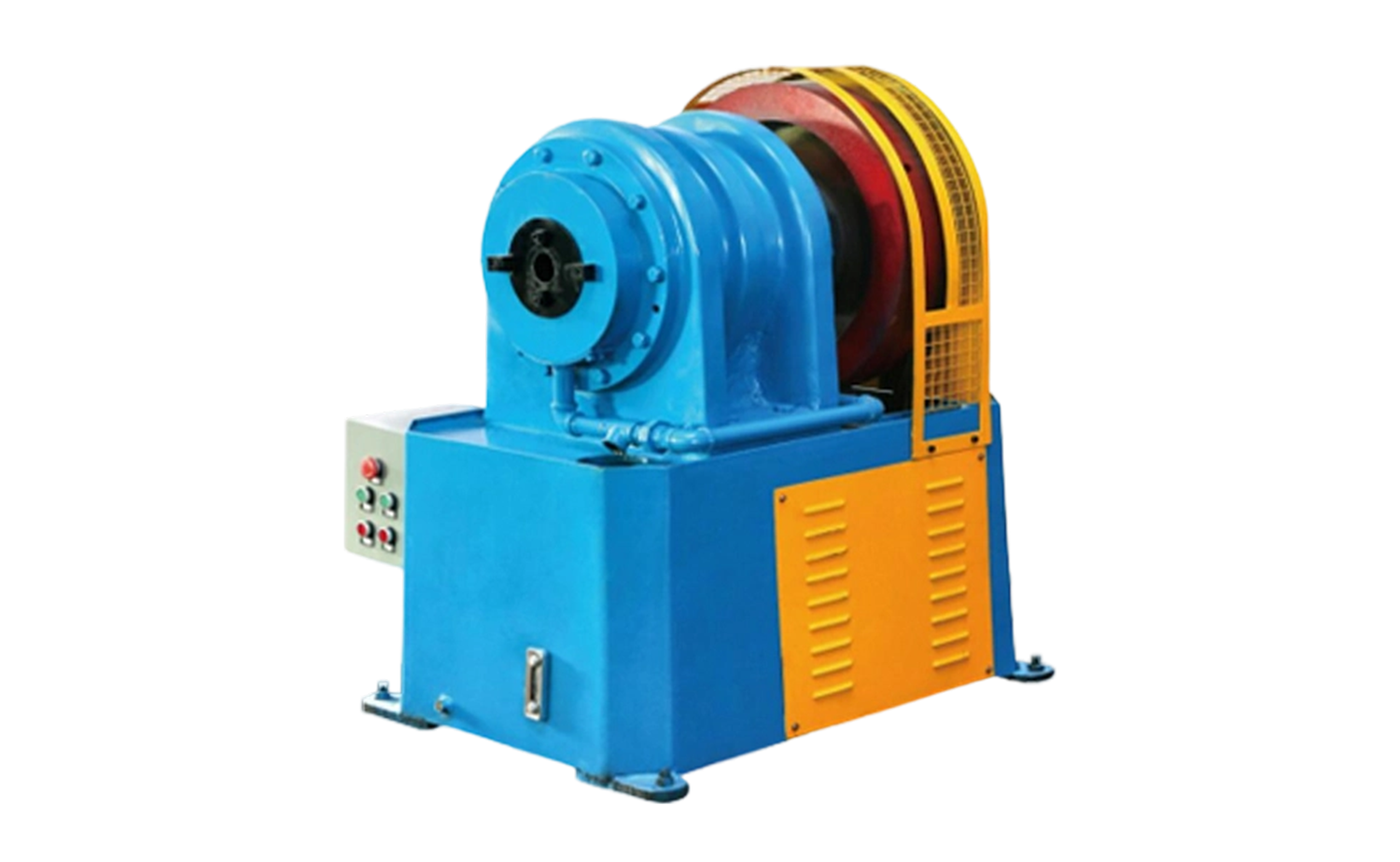
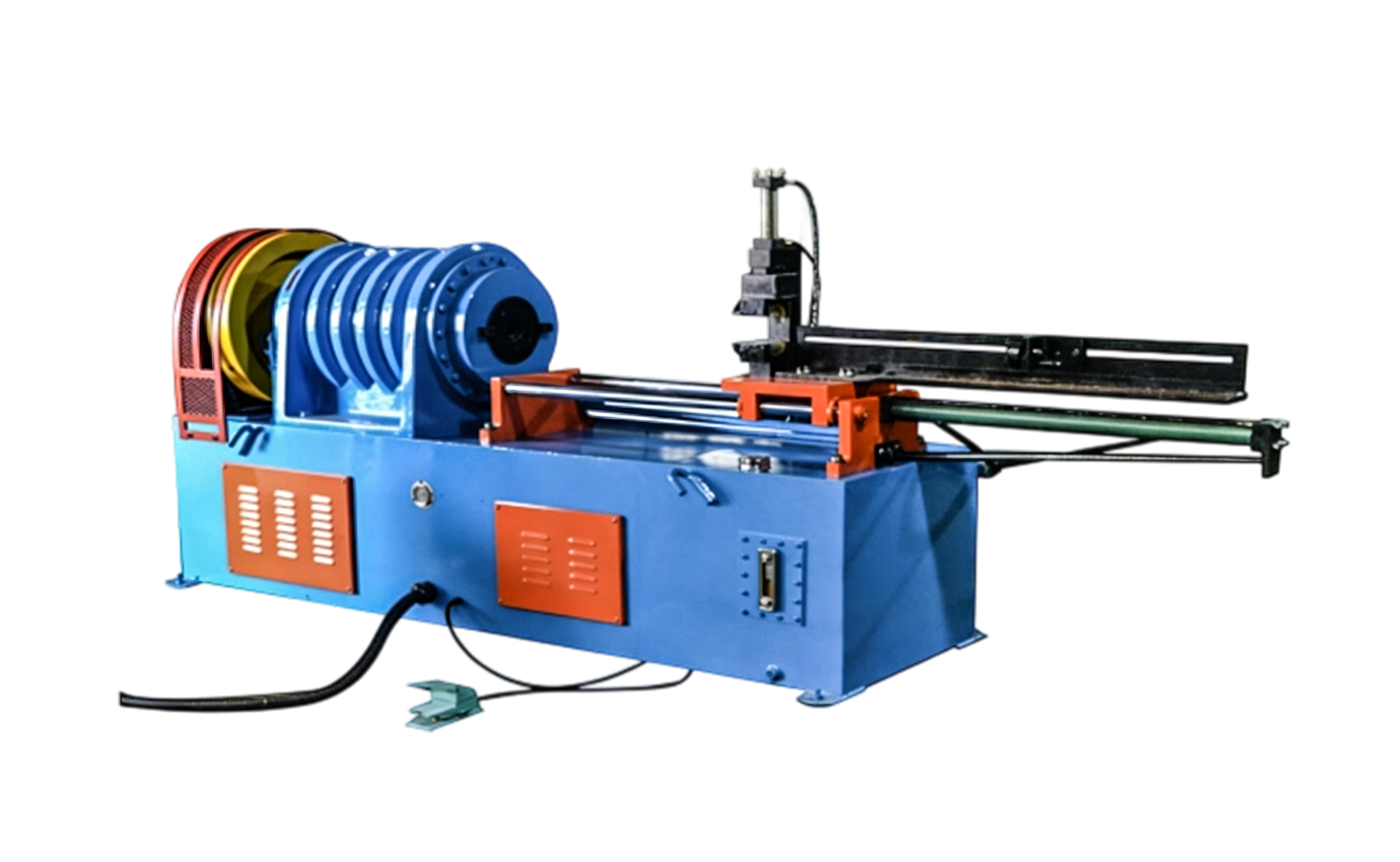
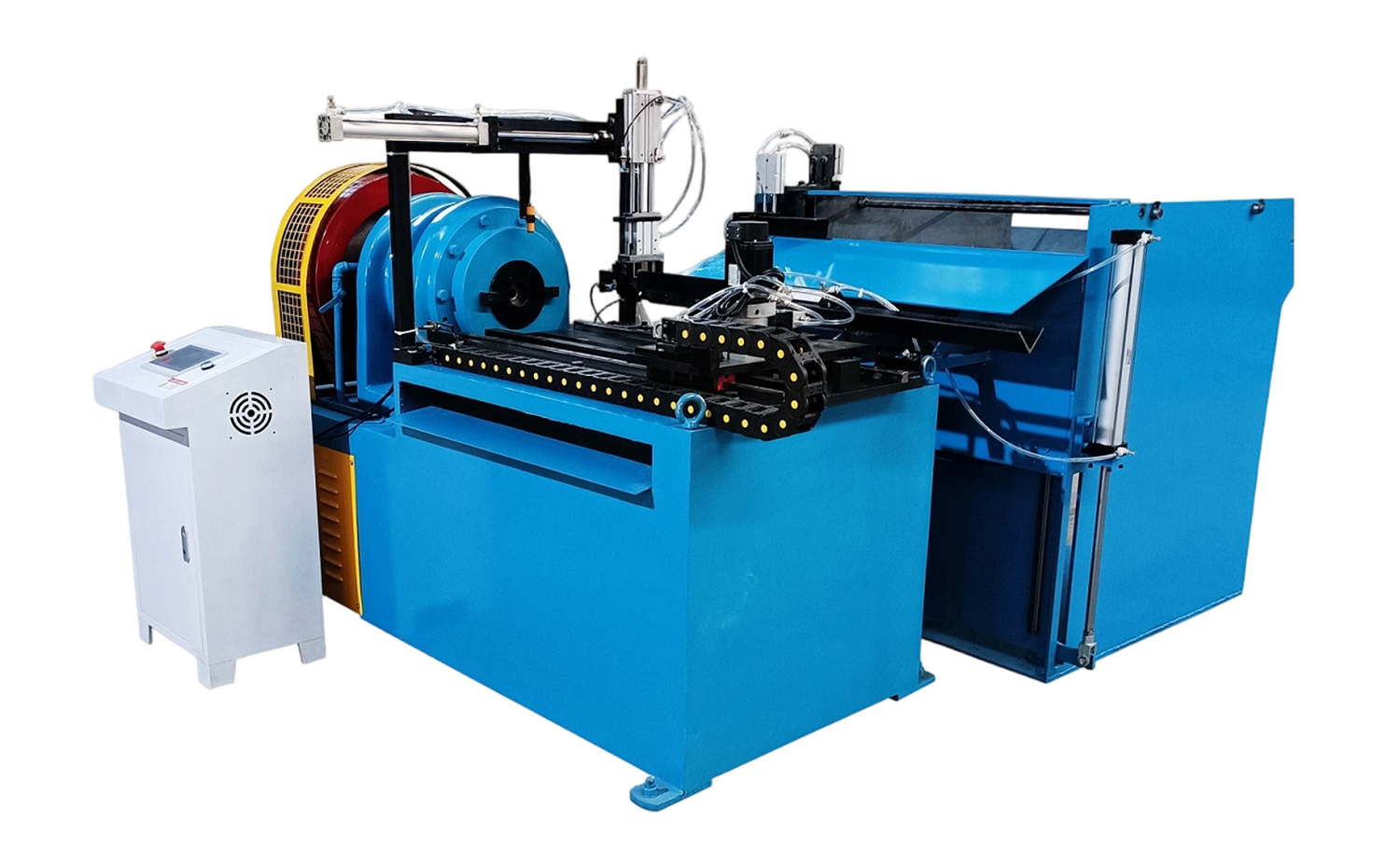
The taper tube reducing machine is a crucial piece of equipment in the pipe processing field. Its core function is to gradually reduce the diameter of the pipe along the axis through controlled plastic deformation, forming a tapered transition section while maintaining pipe concentricity and uniform wall thickness. With the development of the automotive, aerospace, petrochemical, machinery manufacturing, and furniture hardware industries, the demand for high-precision pipe processing has increased significantly. Taper tube reducing machines play an indispensable role in ensuring product quality, processing efficiency, and cost control. Modern taper tube reducing machines utilize rollers, mandrels, or hydraulic dies to apply pressure and precisely control pipe deformation, achieving high-precision and consistent taper processing. As material varieties diversify, including high-strength steel, titanium alloys, and specialized profile pipes, the difficulty of processing increases, and the design and manufacturing of the machines must comprehensively consider material mechanical properties, wall thickness changes, surface quality, and concentricity control.
The technology of taper tube reducing machines integrates mechanical engineering, hydraulic control, and CNC technology. Roller-type reducing machines apply continuous rolling pressure to gradually reduce the pipe diameter, suitable for small to medium-diameter pipes. Roll-forming machines achieve diameter reduction through multiple adjustable rollers, suitable for large-diameter, high-strength pipes. Hydraulic-assisted machines provide uniform pressure via hydraulic cylinders for difficult-to-process materials, ensuring uniform wall thickness and smooth surface finish. Modern machines are typically equipped with PLC systems and sensors, which can adjust processing parameters in real-time, achieving automated, digital production while significantly improving processing repeatability and stability.
Processing Principles
Taper tube reducing machines apply precise pressure to the pipe through rollers, mandrels, or hydraulic dies to gradually reduce the diameter along the axis. During processing, the material's plasticity, yield strength, and ductility directly affect the processing results. Machines are designed with optimal roller arrangements, roller spacing, and hydraulic pressure curves to balance diameter reduction and wall thickness retention. Concentricity must be controlled to prevent eccentricity or wrinkling, ensuring performance in subsequent welding, assembly, and usage.
Industry Applications
Taper tube reducing machines are widely used in petrochemical pipe fittings, automotive chassis and cooling system pipes, aerospace titanium alloy structural pipes, and furniture hardware pipe processing. In the petrochemical industry, the tapering of high-pressure pipe fittings ensures sealing performance and safety. In automotive manufacturing, chassis pipes require highly consistent taper and wall thickness to ensure vehicle assembly precision. Aerospace titanium alloy pipes require high surface finish and stress control. Furniture hardware pipe processing emphasizes production efficiency and visual appearance. As pipe designs become lighter and more complex, taper tube reducing machines require higher technical expertise from manufacturers and stronger supplier collaboration, driving machines toward high precision, intelligence, and multifunctionality.
Technical Parameters
| Parameter |
Roller Type |
Roll-Forming Type |
Hydraulic Assisted Type |
| Pipe Diameter Range |
10–50 mm |
20–100 mm |
30–200 mm |
| Taper Range |
0.5–2.0° |
1.0–3.0° |
0.5–2.5° |
| Maximum Processing Length |
300 mm |
500 mm |
800 mm |
| Control Method |
Manual/PLC |
PLC/Servo |
Servo/Hydraulic Integrated |
| Precision |
±0.05 mm |
±0.03 mm |
±0.02 mm |
| Production Cycle |
10–30 s/piece |
20–60 s/piece |
30–90 s/piece |
Manufacturer System and Factory Capabilities
Development of Zhangjiagang HuaShun Machinery Manufacture Co.,Ltd.
Zhangjiagang HuaShun Machinery Manufacture Co.,Ltd. was established in 2000, formerly known as Huashun Machinery. Since its founding, the company has focused on the research and manufacturing of pipe processing equipment. In 2005, it collaborated with a renowned Taiwanese pipe bending machine manufacturer, introducing advanced Taiwanese engineering technology, which improved equipment accuracy and process maturity. In 2007, the company officially upgraded to its current name and expanded its production workshops, establishing a complete pipe processing equipment system. In 2023, the company launched the international brand AIKE, integrating manufacturing capability with a global service system, providing highly efficient and customized pipe processing solutions for international customers.
Factory Capabilities
The company’s factory covers approximately 6,000 square meters and is equipped with two machining centers, six CNC lathes, one boring machine, and twelve drilling machines. The factory can process high-precision components such as spindles, rollers, dies, and supporting structural parts, forming a complete production line that includes circular saws, pipe benders, taper tube reducing machines, gear grinders, press brakes, riveters, aluminum cutters, chamfering machines, and rounding machines. Scientific layout and workflow optimization enable efficient production, standardized assembly, and quality controllability.
Production Process and Digital Management
The factory’s production process forms a closed loop from design and development, material procurement, parts processing, assembly and debugging, to final testing. Design uses advanced CAD/CAE software for structural optimization and processing simulation, ensuring roller, die, and hydraulic system designs meet the requirements of various pipes. Raw materials undergo strict testing to ensure steel, aluminum, and high-strength alloys meet mechanical property standards. Components are processed using machining centers, CNC lathes, boring machines, and drilling machines with tight control of dimensional accuracy and surface roughness, and further strengthened through heat treatment and surface enhancement. During assembly and debugging, machines are monitored using precise measurement and online sensors to ensure stable taper, wall thickness, and concentricity. Finished products are tested under load, continuous processing, and online measurement.
The digital management system enables production transparency and optimization. CAD/CAE collaboration improves design efficiency, SPC data analysis monitors processing accuracy in real-time, and production management platforms track assembly progress, quality records, and process parameters. The supplier system is closely integrated, with core suppliers providing spindles, rollers, and hydraulic components, and electrical control system suppliers providing PLC and servo modules. Non-core suppliers provide standard and auxiliary components, forming a stable and efficient manufacturing supply chain.


 English
 русский
 Español