
 English
 русский
 Español
- GY40 CNC Series High-Speed Thin-Walled Tube Roll Bending Machine
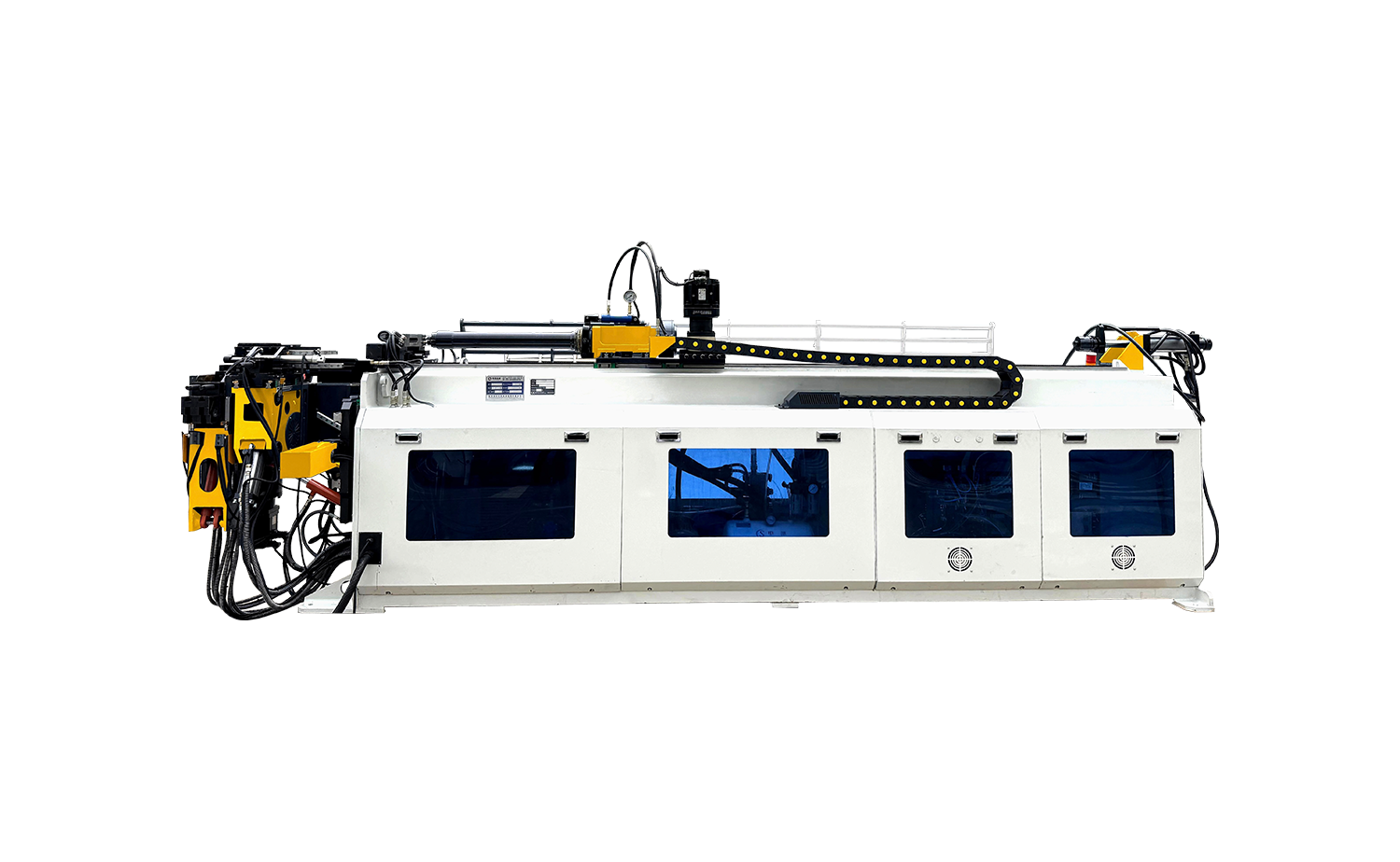
- SS Series Fully Automatic CNC Pipe Bending Machine
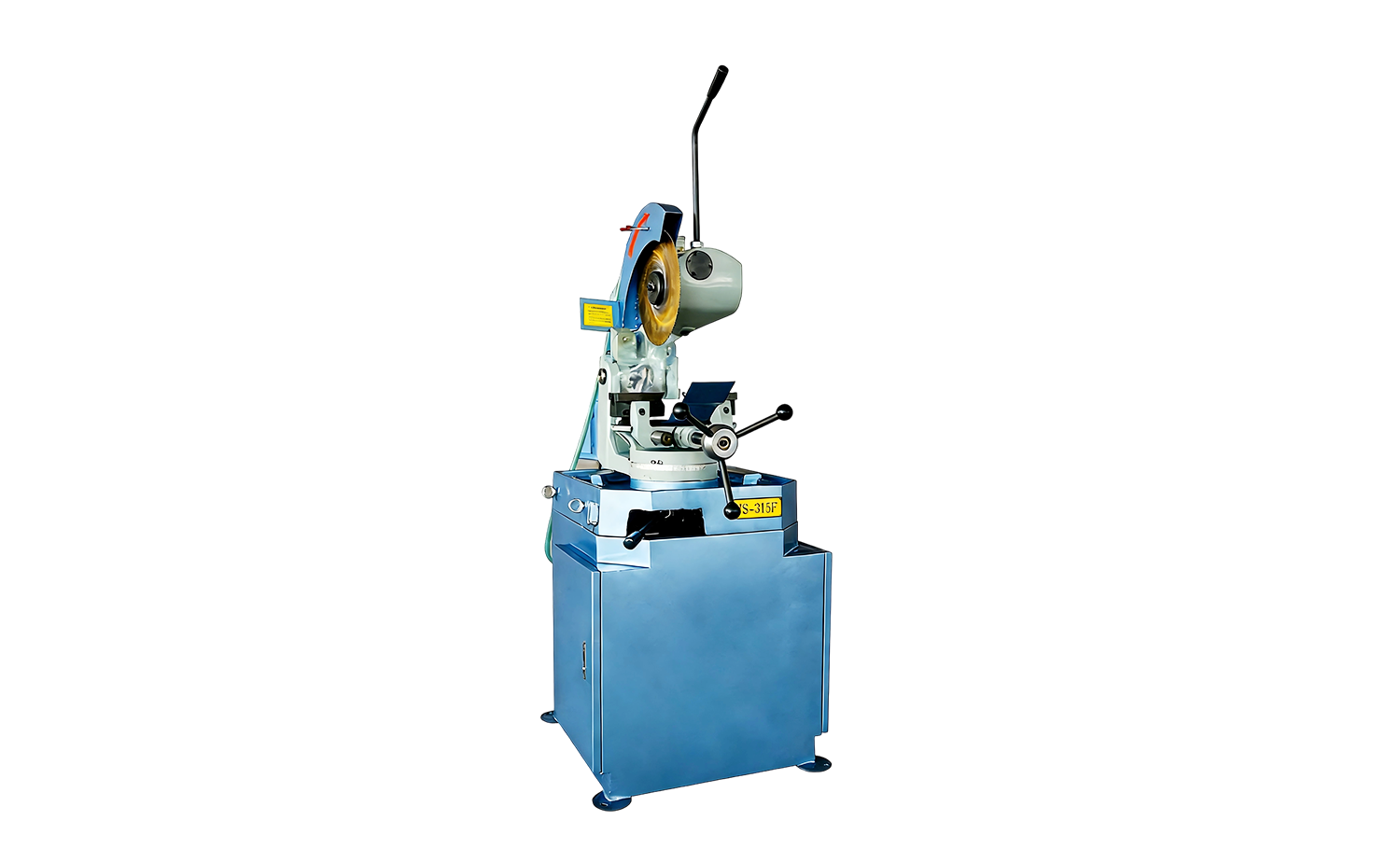
- F Series Manual Pipe Cutting Machine
- CNC Left & Right Pipe Bending Machine
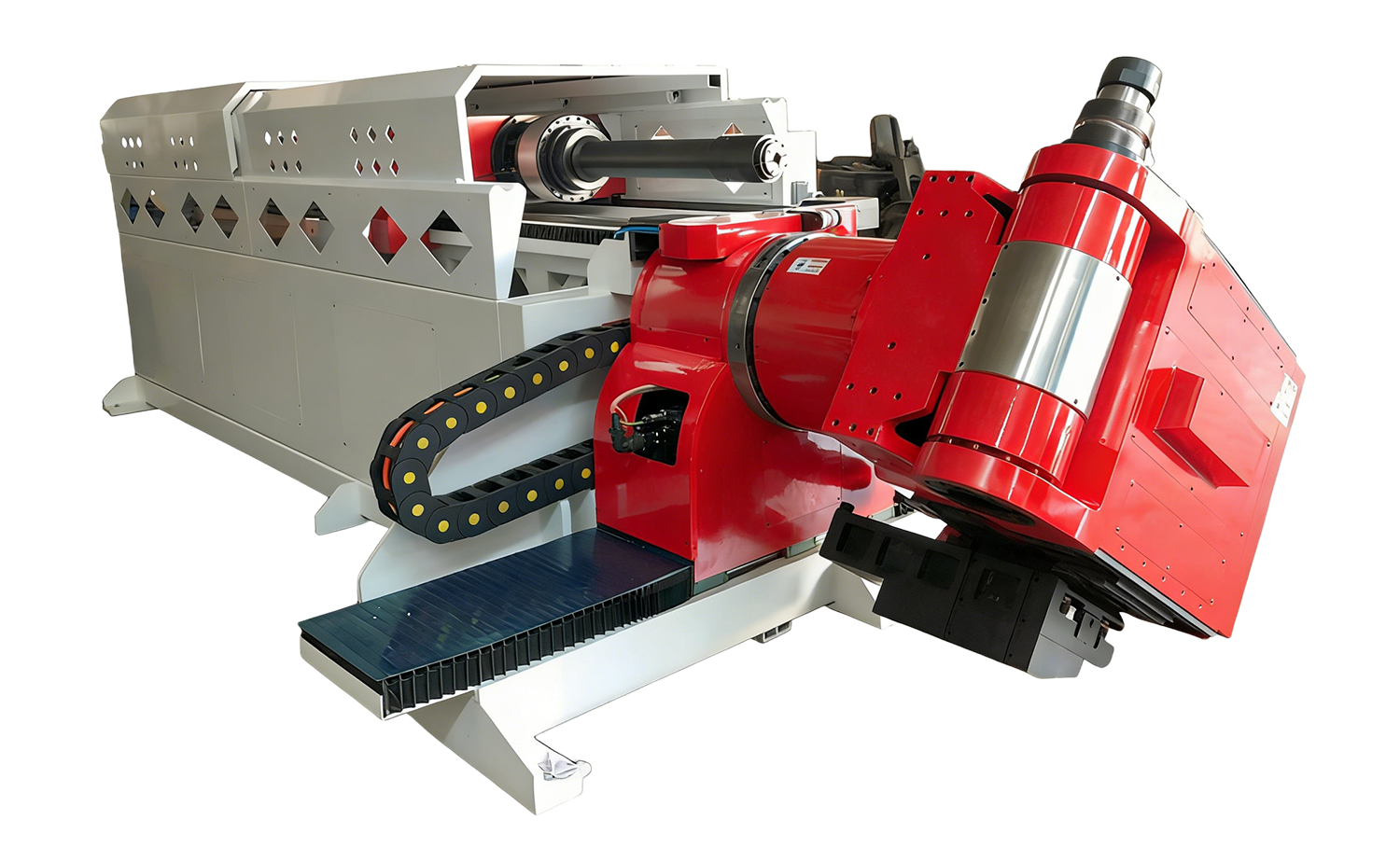
- CNC Rotary Head Pipe Bending Machine- Bi-Directional
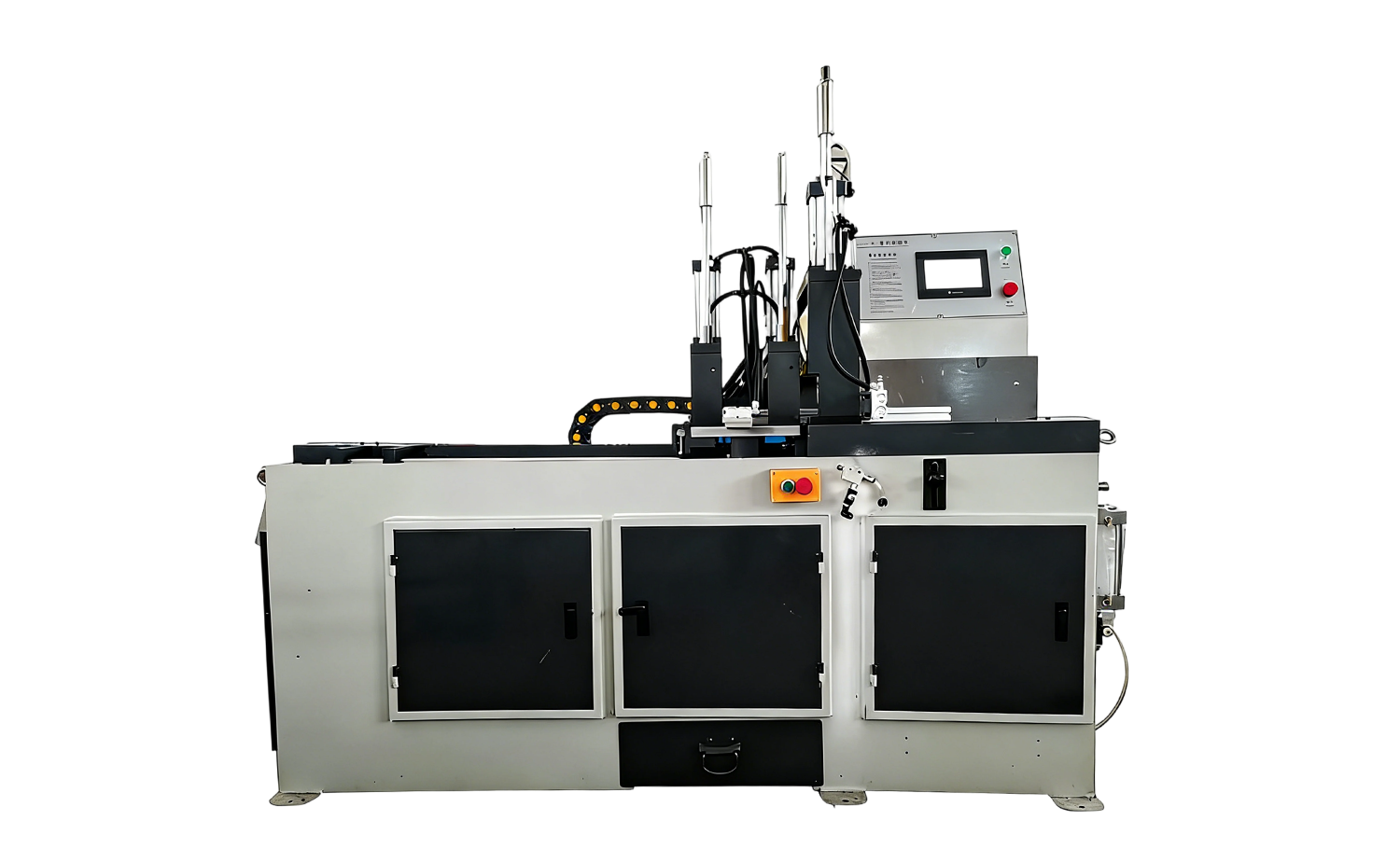
- CNC455 Series Fully Automatic Aluminum and Copper Cutting Machine
Thin Walled Pipe Guide: Wall Thickness, Bending, Cutting, and Forming Tips
Date:Oct 01, 2026
Content
- 1 What Makes a Pipe Thin Walled?
- 2 Thin Wall Versus Heavy Wall: What Actually Changes
- 3 The Materials You Are Most Likely to Meet
- 4 Bending Thin Walled Pipe Without Collapse
- 5 Cutting Thin Walled Pipe Cleanly
- 6 End Finishing: Chamfer, Deburr and Form
- 7 Where Thin Walled Pipe Earns Its Keep
- 8 A Short Checklist Before the First Part
Thin walled pipe has a way of humbling even experienced fabricators. A bend that runs smoothly on Schedule 40 suddenly wrinkles or cracks when the wall drops to 1.5 mm, and a blade that slices through heavy tube all day leaves a burr that ruins the next operation. The material has not changed. The relationship between diameter and wall has.
We build tube processing equipment for bending, cutting, chamfering, punching and end forming, and much of our work involves exactly this range of tube. This article gathers the practical points that come up again and again: how thin walled pipe is defined, why it behaves the way it does, and how to bend, cut and finish it without turning good stock into scrap.
What Makes a Pipe Thin Walled?
There is no universal threshold. Wall thickness only means something in relation to the diameter it has to support, which is why engineers talk about the D/t ratio — outside diameter divided by wall thickness. As a working rule, tubes with a D/t ratio above roughly 20 begin to behave as thin walled: the wall is no longer stiff enough to resist the forces that bending, clamping and cutting push into it. At D/t of 40 or 50, every operation has to be planned rather than assumed. A 2 mm wall on a four inch stainless pipe is a familiar example.
It also helps to keep nominal size and actual thickness apart:
- Nominal size is a label, not a measurement. A one inch pipe is named for a traditional bore, not for anything you can put a caliper on.
- The schedule fixes the wall. Sch 5, Sch 10, Sch 40 and Sch 80 give very different walls for the same nominal size, often a factor of two or three between them.
- The drawing should state the wall in millimetres. When it says only "one inch pipe", one person assumes Sch 40 and another buys Sch 10, and the difference appears later as a rejected bend or a failed weld.
Thin Wall Versus Heavy Wall: What Actually Changes
The differences show up in weight, formability, welding and tooling, and they tend to compound. A thin wall is more sensitive to heat, more willing to deform under clamping pressure, and less forgiving of a worn mandrel.
| Aspect | Thin walled pipe | Heavy walled pipe |
|---|---|---|
| Wall relative to diameter | D/t roughly 20 and above | D/t below roughly 20 |
| Weight per metre | Low, saves material and handling | High, adds cost and stiffness |
| Bending behaviour | Collapses, wrinkles or ovalises without a mandrel and wiper die | Often holds shape with simple tooling |
| Springback | Larger relative to wall, harder to predict | Smaller and more consistent |
| Cutting | Deforms easily; fine teeth, low feed, chipless or laser methods preferred | Tolerates faster sawing and heavier feeds |
| Welding | Burns through quickly, needs low heat input | Forgiving, accepts more heat |
| End work | Needs internal or external support to stop the wall collapsing | Standard tooling is usually enough |
The Materials You Are Most Likely to Meet
Material choice changes the recipe as much as wall thickness does.
- Stainless steel (304, 316) work hardens as it is bent, so it needs more boost and gentler tooling contact than mild steel.
- Aluminium is soft and light, marks easily, and tends to gall when lubricant is skimped.
- Copper and brass are very ductile but easily dented by careless clamping.
- Carbon steel, including DOM tube, is predictable and forgiving.
- Plastics such as PVC and PTFE follow their own rules, usually with wall stated directly in millimetres.
Bending Thin Walled Pipe Without Collapse
Most failures in bending are predictable. The inside of the bend wrinkles, the outside thins or cracks, or the section ovalises. The cure is usually a combination of support and patience.
- A mandrel inside the tube, positioned just past the tangent point, keeps the wall from collapsing inward.
- A wiper die supports the inside radius and resists wrinkling.
- Boost feeds material into the bend instead of stretching the outer wall.
- Bend radius matters; below roughly two to three times the outside diameter, thin wall tube becomes very difficult.
- Slower bend speeds and good lubrication reduce friction and marking.
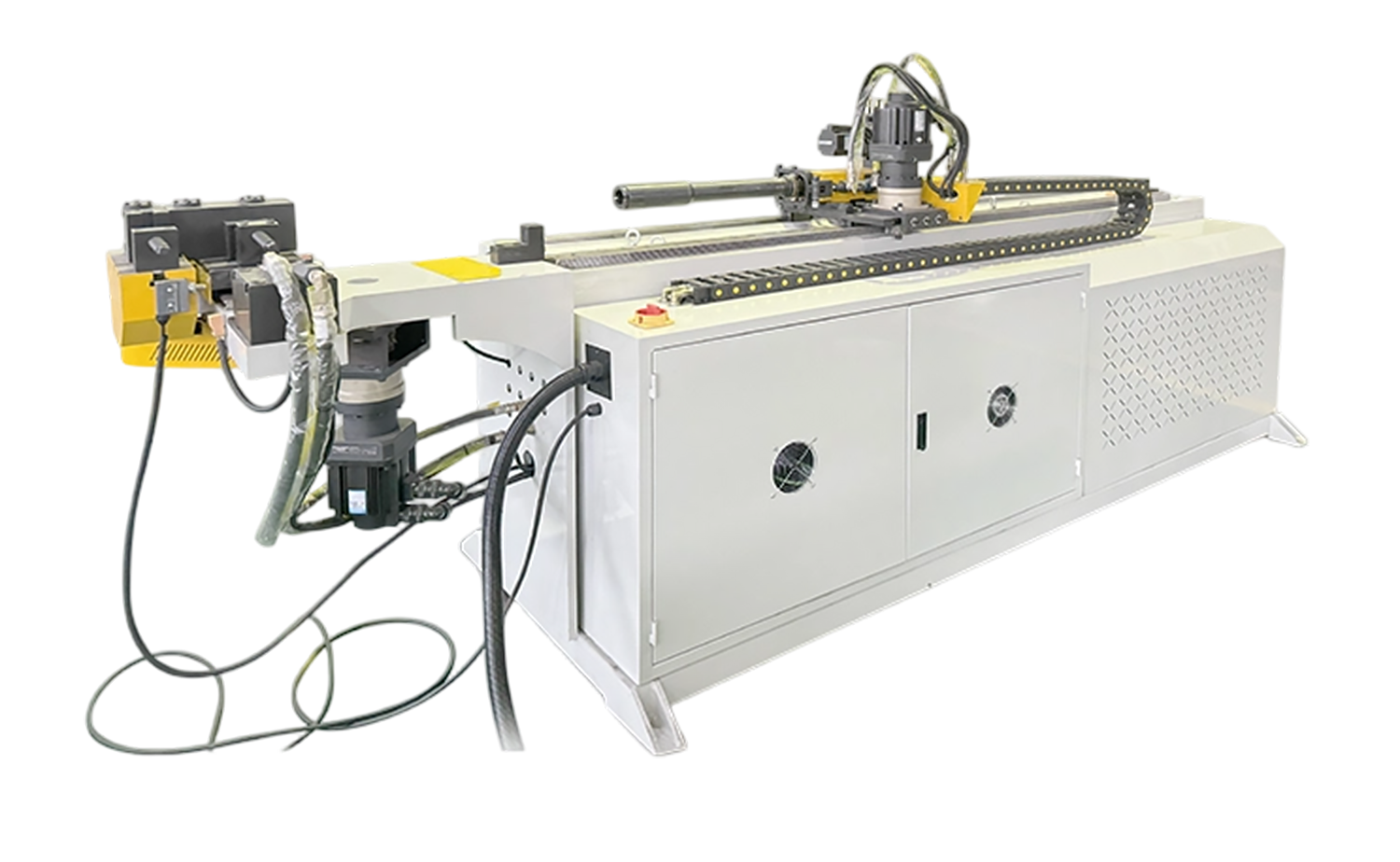
A CNC tube bender with servo-hydraulic axes, mandrel control and stored recipes takes most of the guesswork out of this. Once a program is proven, the same settings run again on the next batch, which is what makes thin wall work repeatable rather than a matter of luck.
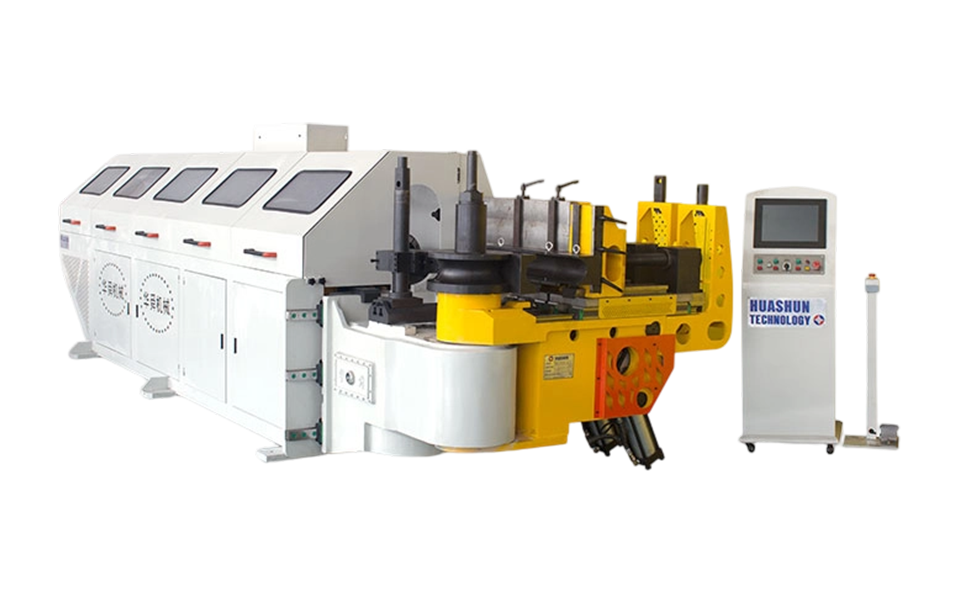 CNC L Series SB-219CNC Servo-Hydraulic Tube Bending MachineA fully automatic CNC tube bender with three programmable axes, mandrel control and stored recipes, suited to repeatable thin-wall bending before considering roller bending.View Product →
For large radius work, roller bending is often a better route than draw bending, because the tube is supported across a wider area as it passes through the rolls. With CNC control of roll positions you can produce consistent arcs, rings and S shapes without the tooling changes a mandrel setup requires.
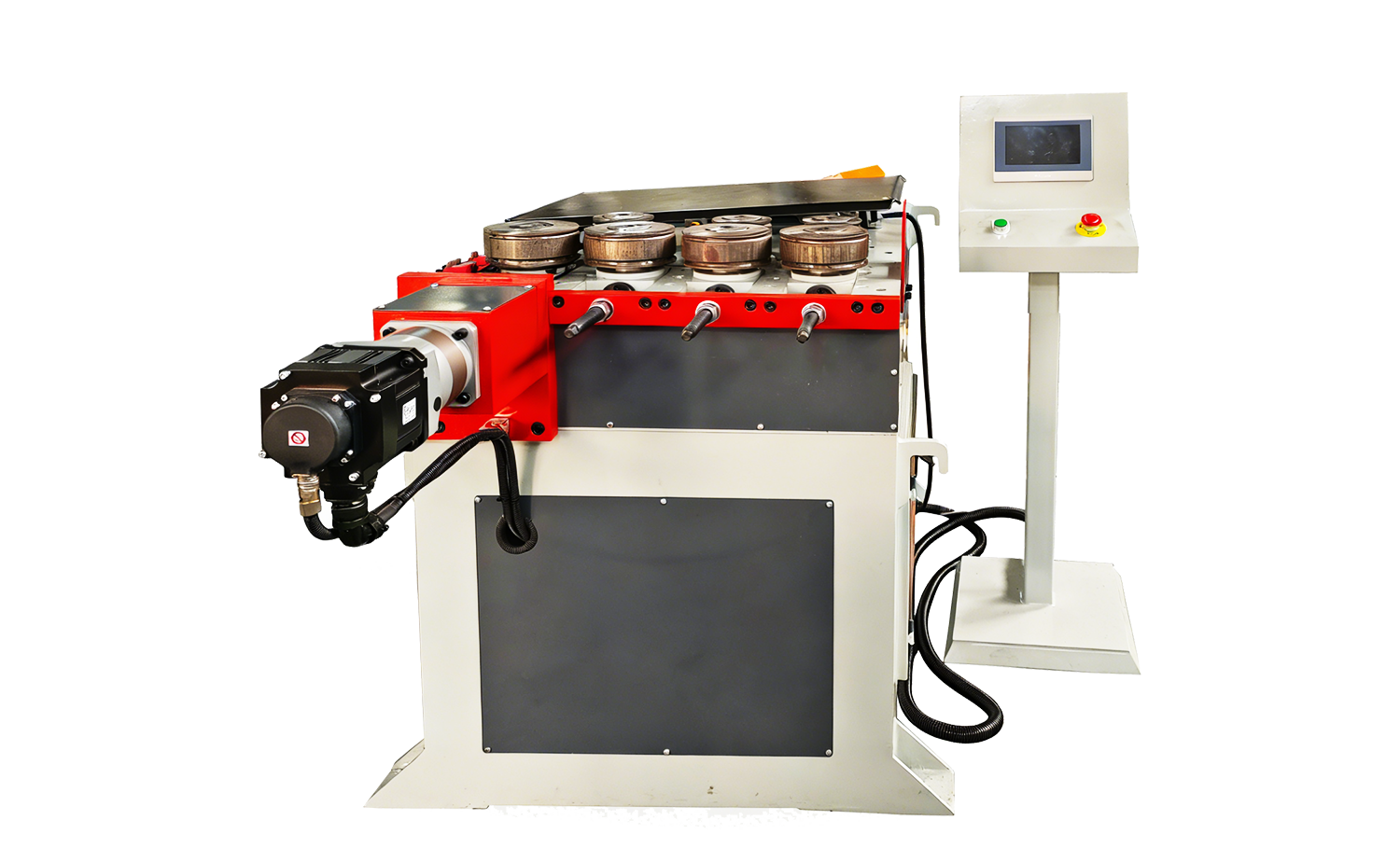 GY40 CNC Series High-Speed Thin-Walled Tube Roll Bending MachineFor large-radius arcs and profiles, this CNC roll bender supports thin-walled tube and avoids extra-large tube-bending molds.View Product →
Cutting Thin Walled Pipe Cleanly
Cutting is where thin wall earns its reputation for trouble. A coarse blade grabs the wall, the tube deflects, and you end up with an angled cut, a rolled edge or a burr that has to be removed by hand. Fine-tooth blades, low feed per tooth, rigid clamping close to the cut and support on both sides of the blade all help.
Chipless cutting removes the problem at its source. The tube is cut by rolling or scoring rather than by removing material, so no swarf enters the pipe — an important point for hydraulic, refrigeration and medical lines, where a chip left inside becomes a failure later. Laser cutting takes the opposite approach, offering profiling freedom and clean edges at a different balance of speed and cost. Our guide to tube cutting machine types walks through those trade-offs in more detail.
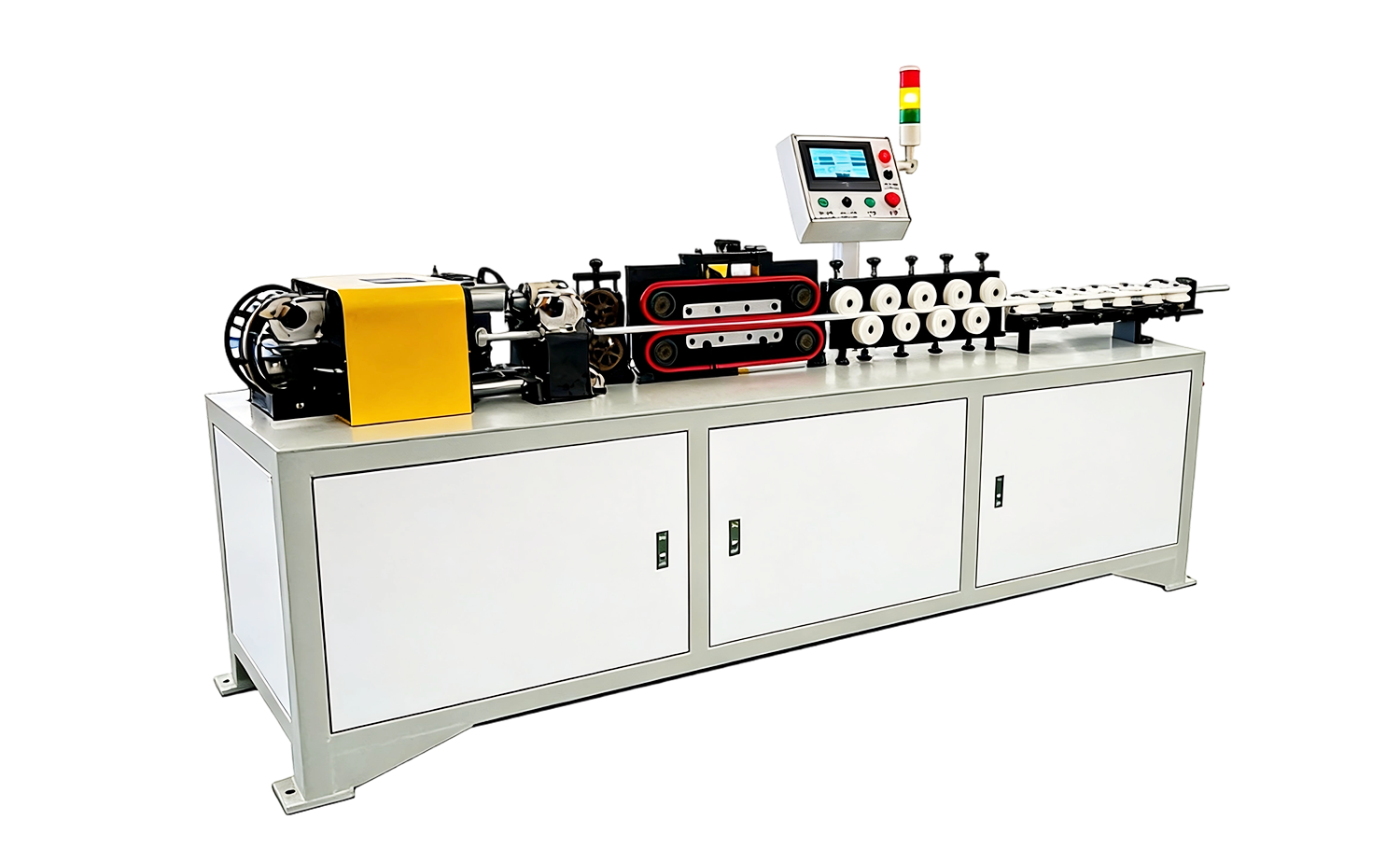 SC-30 Chipless Tube Straightening and Cutting MachineA chipless straightening and cutting system for copper and aluminum tube, using rotary cutting and protective wheels to reduce distortion and surface scratches.View Product →
End Finishing: Chamfer, Deburr and Form
End work on thin walled pipe is all about support. A chamfering tool that bites into heavy wall tube without complaint will fold the end of a thin wall tube inward in an instant. The usual answers are an internal support or expanding arbor, sharp tooling that cuts rather than pushes, and controlled feed. Servo controlled chamfering heads make that feed repeatable, which matters when wall thickness drifts slightly from batch to batch.
End forming follows the same logic. Reducing, expanding or sealing a thin wall tube works well when the operation is gradual and supported, and badly when it is rushed. Multi-stage forming with generous radii and steady lubrication holds wall integrity where a single aggressive pass will not.
Where Thin Walled Pipe Earns Its Keep
Thin wall is chosen for three reasons: weight, heat transfer and formability. It appears in HVAC coils and refrigerant lines, automotive fluid and structural tubing, aerospace ducting, fitness equipment frames, furniture, handrails, data centre cooling manifolds and appliance components. Each of these brings its own priorities — a refrigerant line cares about a clean bore, a bicycle frame about appearance and fatigue life, an air duct about cost per metre. Our HVAC application page describes how those requirements play out for one sector in particular.
A Short Checklist Before the First Part
- Confirm the actual wall thickness in millimetres, not just the nominal size or schedule.
- Calculate the D/t ratio so you know how much support the job needs.
- Check the bend radius against the diameter, and consider a larger radius if the design allows.
- Verify that mandrel, wiper die and clamping inserts match the tube diameter and wall.
- Choose the cutting method by what the bore can tolerate, not only by cycle time.
- Cut one sample and measure ovality, wall thinning and burr height before running the batch.
Thin walled pipe rewards preparation. Tooling, speeds and sequence all matter more than they do on heavy wall stock, but none of it is mysterious — it comes down to supporting the wall, controlling the forces and keeping records. If you are working on a specific job and want a second opinion on how to approach it, our team is always glad to talk it through.



Copyright © 2025 Huashun Technology All Rights Reserved.
Custom Precision Tube Forming Machine Manufacturers