
 English
 русский
 Español
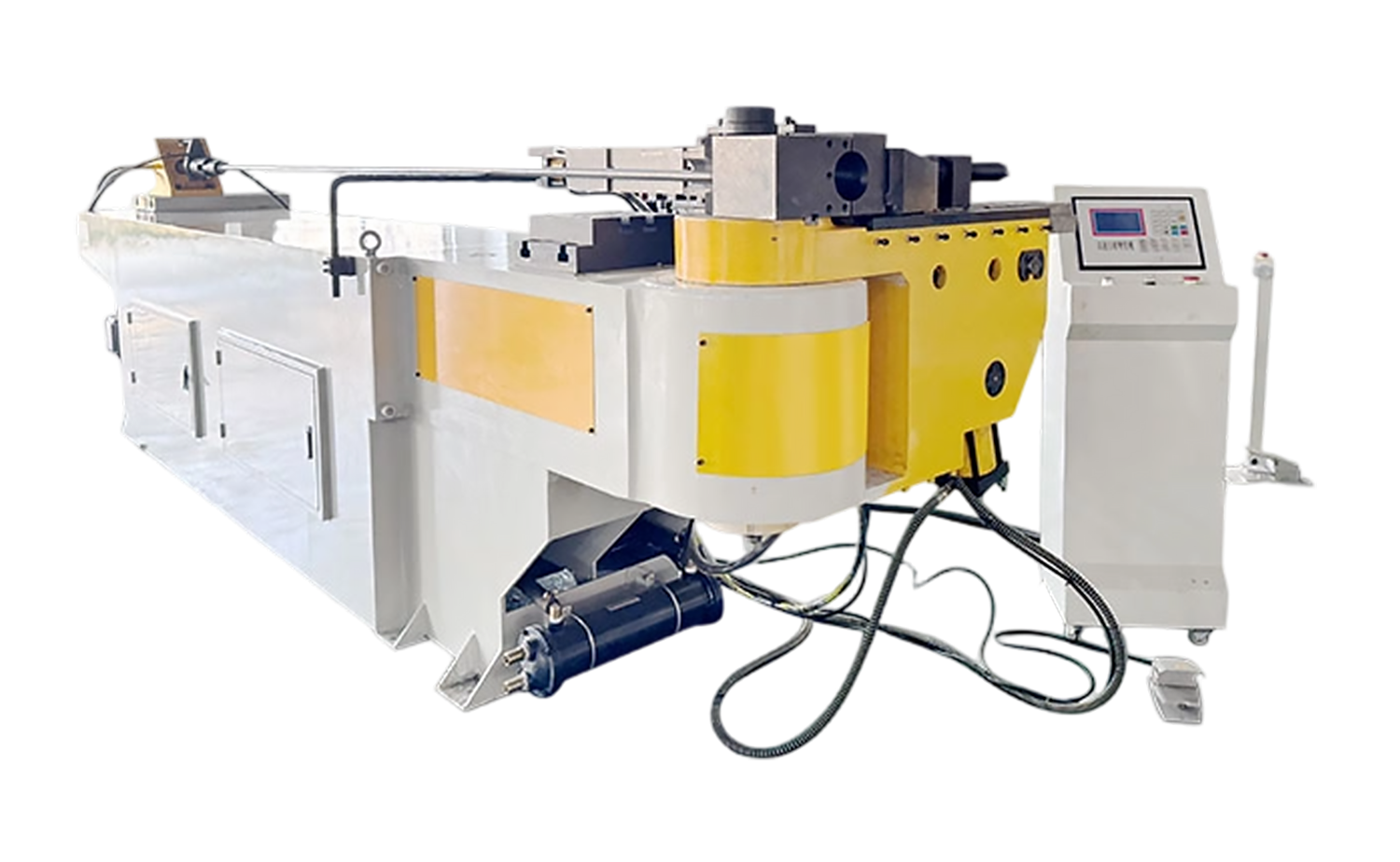
- CNC M Series Fully Automatic Multi-Radius Tube Bending Machine
- NC M Series Hydraulic Tube Bending Machine with Mandrel Control
- MCJG120 3D Laser Tube Cutting Machine
- GY40 CNC Series High-Speed Thin-Walled Tube Roll Bending Machine
- EF PV2 Series Single Head Tube Chamfering Machine for Metal Tubes
- CNC Series Tube Roll Bending Machine for Metal Profiles
1/2 Inch Tube Bending Guide: Dies, Radius, Wall Thickness, and Machine Choices
Date:Oct 08, 2026
Content
Half-inch tube looks like one of the simplest things in the shop to bend, right up to the moment a thin-walled stainless line collapses halfway through a run. It turns up everywhere: fuel and hydraulic return lines, refrigeration coils, instrument panels, gym equipment, appliance frames, and countless welded assemblies. The diameter is small enough to handle by hand, but the wall is often only a millimetre or less, so wrinkles, flattening, and cracking appear quickly when the tooling does not suit the material.
We have spent years helping shops move from a vise and a fistful of sand to properly tooled bending equipment, and the drop in scrap rate is usually the first thing customers notice. This guide covers what 1/2 inch tube bending really means in practice, how to choose a bend radius and a die set, and which class of machine suits your volumes and tolerances.
What "1/2 Inch Tube" Really Means
The phrase hides an ambiguity that trips people up when they order tooling. In tube work, 1/2 inch normally means 1/2 inch outside diameter, or 12.7 mm OD. In pipe work, 1/2 inch refers to nominal bore, and a 1/2 inch NPS pipe measures about 0.84 inch (21.3 mm) across the outside. A die cut for one will not fit the other, and the bending forces involved are quite different. Confirm whether the drawing calls out tube OD or pipe size before any tooling is ordered.
Wall thickness matters just as much as diameter. Half-inch tube is commonly supplied with walls between 0.028 inch and 0.083 inch, roughly 0.7 mm to 2.1 mm. A useful number is the wall factor, the outside diameter divided by the wall thickness. A 12.7 mm tube with a 1 mm wall has a wall factor of about 13, which is already thin enough to need a mandrel for tight radii. Push that figure above 20 and every decision becomes critical.
Material Behaviour Worth Knowing
- Copper bends easily but work-hardens, so very tight radii may need annealing first.
- Aluminium 6061 cracks at tight radii unless it is bent in a suitable temper.
- 304 and 316 stainless spring back noticeably and generally need a mandrel and wiper die below about 3D.
- Mild steel and brass are forgiving, which makes them useful for first-off samples.
- Coated, galvanised, and painted tube need gentler tooling contact to avoid marking.
Bend Radius, Dies, and Springback
Every bend is defined by its centreline radius, written as CLR and usually expressed as a multiple of the tube OD. On half-inch tube, a 1D bend (12.7 mm CLR) is a tight, almost elbow-like turn that demands a mandrel and a wiper die. A 3D bend (around 38 mm CLR) is comfortable for most materials and can often be produced with simpler tooling. If the drawing allows it, a more generous radius lowers both tooling cost and scrap.
A draw bender uses four working surfaces: the bend die that sets the radius, the clamp die that grips the tube against it, the pressure die that follows the tube around, and the wiper die that supports the inside of the bend. A mandrel runs inside the tube to stop it collapsing. Lubrication matters more than most people expect, because friction between mandrel and bore is what causes galling and drag marks.
Springback is the last piece of the puzzle. Stainless and high-strength aluminium may spring back one to three degrees once the tooling releases, so the machine has to overbend slightly. NC and CNC controls store that compensation per material and per radius, which is a large part of why they pay for themselves on repeat work.
Machine Options for Half-Inch Tube Bending
There is no single right answer here. The right machine is the one that matches your batch size, tolerance, and operator skill, and the four families below cover most of the work we see.
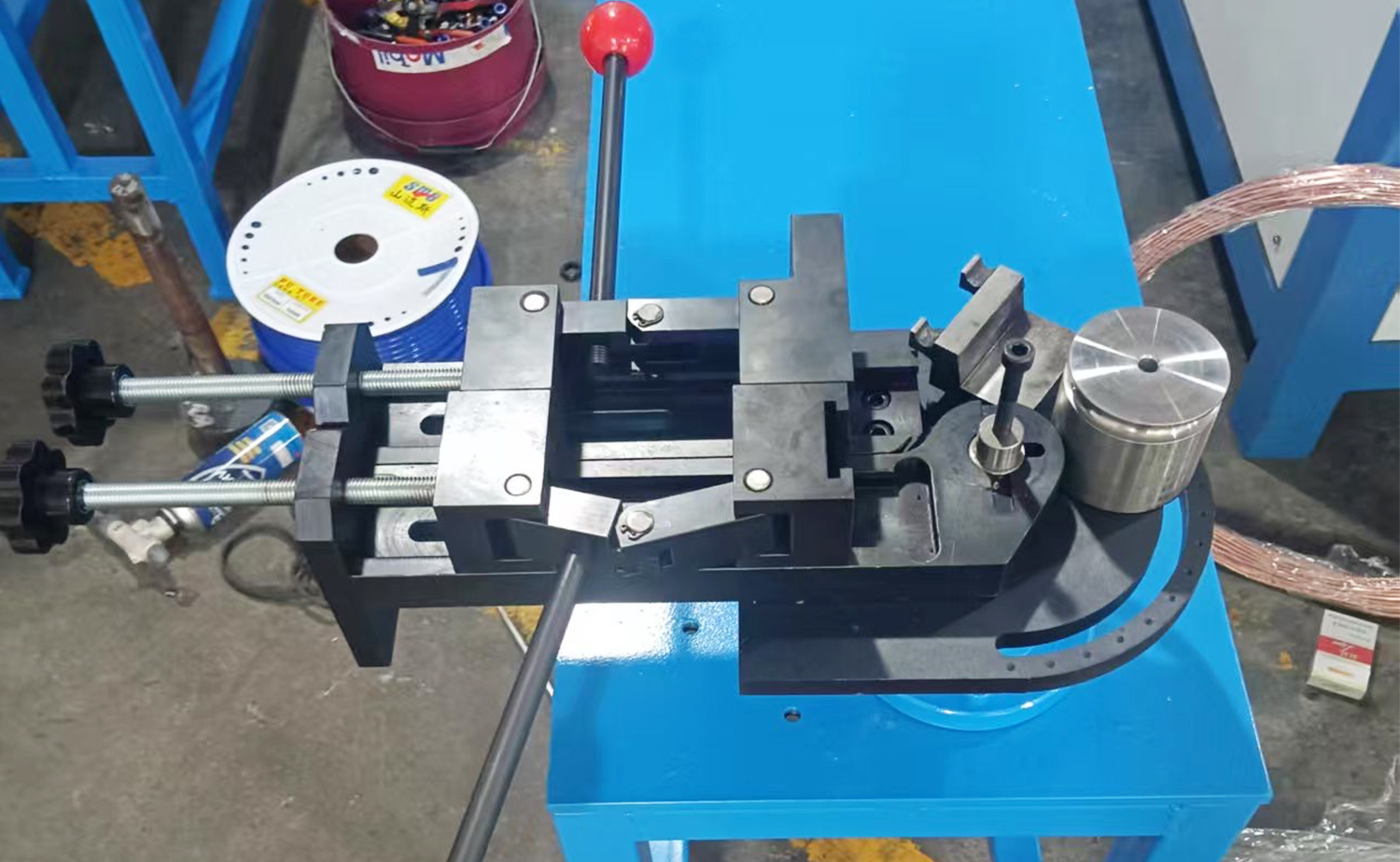 MS-38 Manual Pipe Bending Machine for Copper and HVACManual MS-38 suits prototypes, repair, and one-off copper or thin mild steel bends where interchangeable round molds cover different radii without lengthy setup.View Product →
Manual draw benders are the entry point. They suit prototypes, repair work, and one-off jobs where setup time would cost more than the bend itself. On 1/2 inch copper or thin mild steel with a relaxed radius, an operator can produce perfectly serviceable parts. The limits appear when walls get thin, radii get tight, or the same part must be repeated a hundred times.
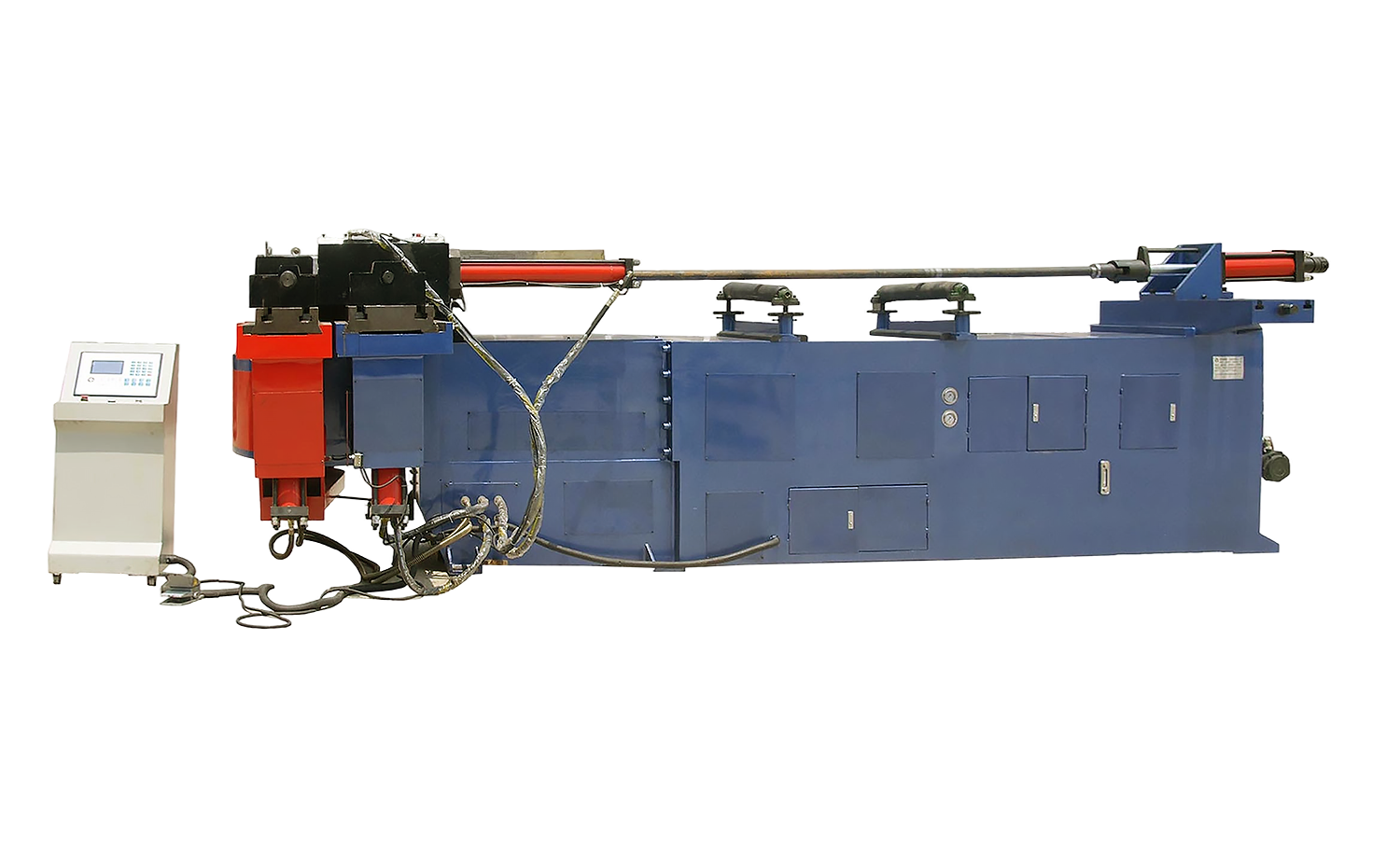 NC L Series SB-219NC Semi-Automatic Hydraulic Tube BenderAdds hydraulic clamping, programmable angles, and stored programs to manual bending, suiting small-to-medium repeat batches where setup speed and operator control matter.View Product →
Semi-automatic NC machines bring hydraulic clamping, programmable bend angles, and a mandrel that can be set for thin-wall work. They fit small and medium batches of half-inch tube where consistency matters but full automation would be overkill. Setup is measured in minutes rather than hours, and the operator stays involved in loading and unloading.
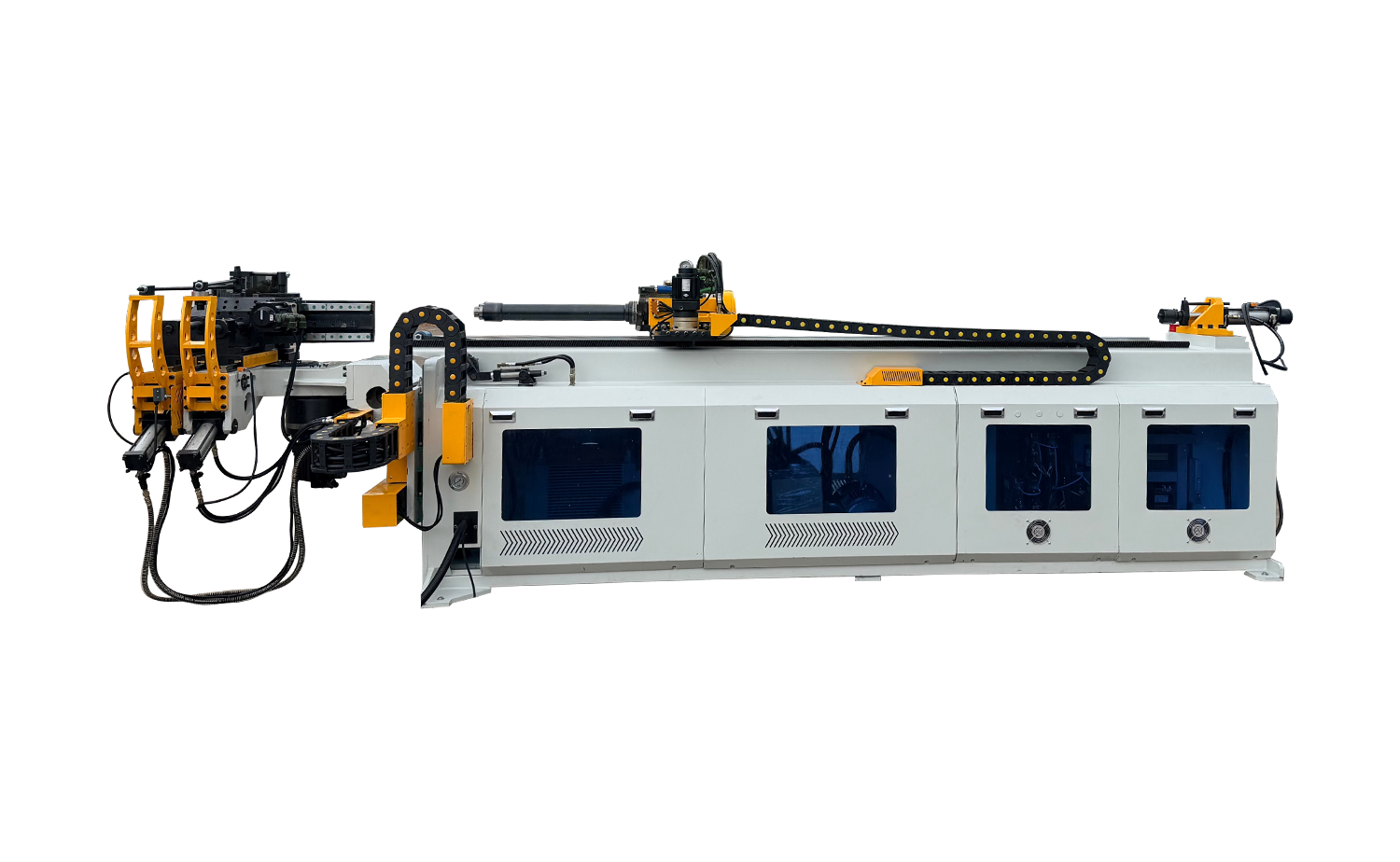 SB-38CNC CNC S Series Fully Automatic Tube BenderThree-axis servo feeding and rotation automate complex tube bends, while optional simulation helps validate programs before production for repeatable multi-radius runs.View Product →
CNC benders take over the whole cycle, including carriage feed, rotation, and multi-radius sequences in a single program. For half-inch tube in automotive, HVAC, or appliance production, that repeatability is what keeps ovality and angle tolerances inside the drawing. Options such as 3D simulation help prove out a program before any material is consumed.
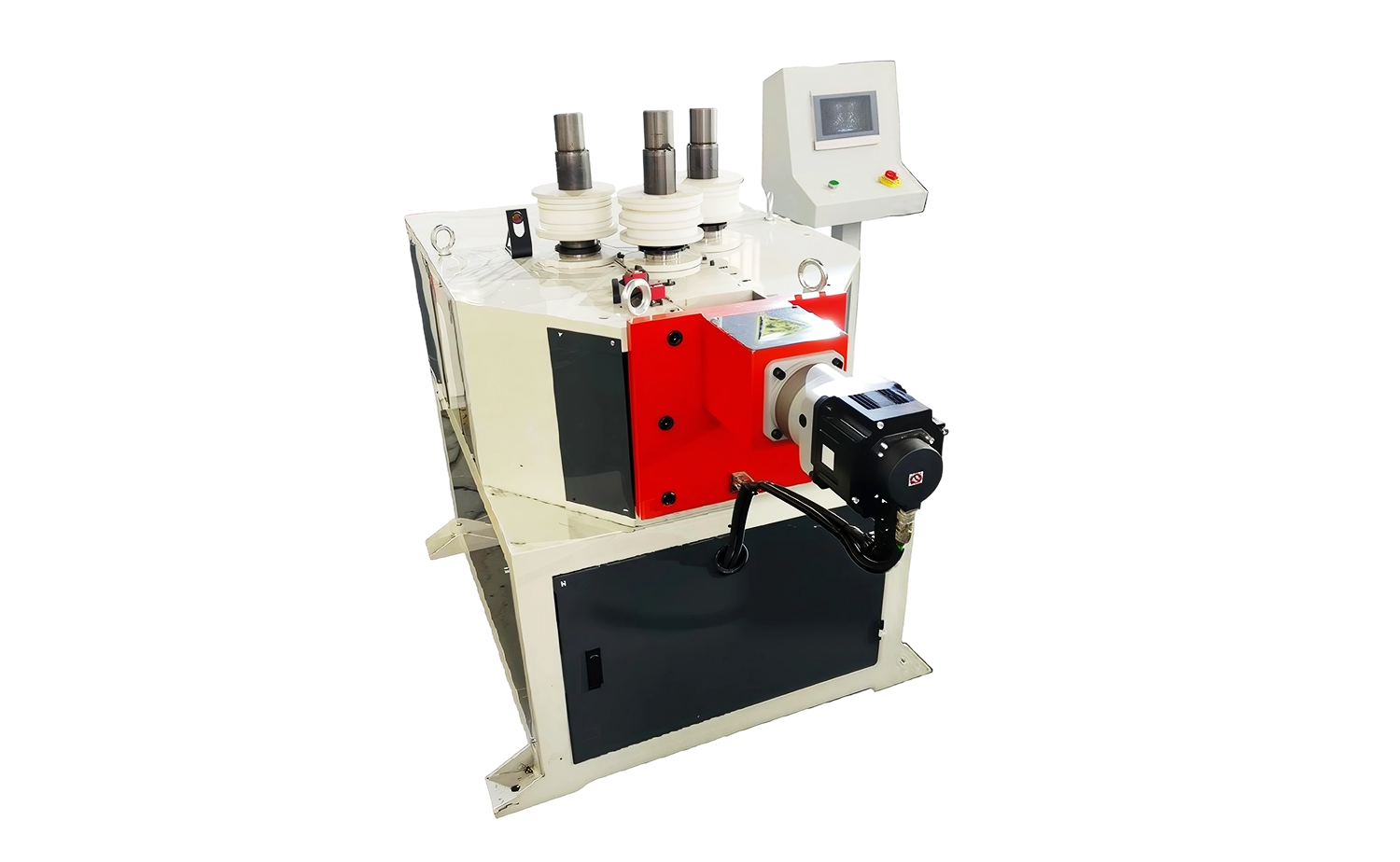
Two other families are worth knowing. Double-head benders make two bends in one cycle, which is common for symmetric parts such as handles and frames. Roll benders handle large-radius arcs and coils rather than tight elbows, and they behave very differently from draw benders.
Comparing Bending Methods at a Glance
| Method | Typical batch | Setup effort | Strength at 1/2 inch |
|---|---|---|---|
| Manual draw bender | 1 to 50 parts | Very low | Thin walls and tight radii need care |
| NC semi-automatic | 50 to 5,000 | Low | Good repeatability with a mandrel |
| CNC automatic | 500 and above | Moderate | Best for multi-radius, tight tolerance |
| Double-head | Volume, symmetric parts | Moderate | Fast, two bends per cycle |
| Roll bender | Any volume, large radius | Low | Arcs and coils, not tight elbows |
Common Defects and What Causes Them
- Wrinkling on the inside of the bend: usually a radius too tight for the wall thickness, or a missing wiper die.
- Flattening or ovality: insufficient mandrel support, or a pressure die that is not following the tube properly.
- Cracking on the outside: material too hard, radius too tight, or tube bent in the wrong temper.
- Excess springback: no overbend compensation, or a change of material supplier between batches.
- Scoring and galling in the bore: a dry mandrel or the wrong lubricant for stainless work.
- Inconsistent angles: worn tooling, loose clamping, or a machine that is not rigid enough for the wall.
Where Half-Inch Tube Work Shows Up
Half-inch bends appear in refrigeration and air-conditioning lines, automotive fluid and brake piping, medical and laboratory equipment, fitness machines, appliance frames, and cooling loops in data centres. Each field leans on different priorities. A refrigeration line cares about a clean bore and no contamination, an automotive bracket cares about angle repeatability across tens of thousands of parts, and a laboratory frame often cares about appearance and a consistent radius. If building services is your world, our notes on tube bending for HVAC applications are a useful starting point.
Getting the Setup Right the First Time
Most bending problems are solved before the first part is made. A short checklist saves a great deal of scrap.
- Confirm tube OD, wall thickness, temper, and whether the callout is tube or pipe.
- Work out the wall factor, then choose a bend radius the material can actually take.
- Select tooling: bend die, clamp die, pressure die, wiper die, and the correct mandrel.
- Run the first article slowly, then raise speed once the bend is clean.
- Measure the first three parts for angle, ovality, and wall thinning, and record the settings.
- Keep one good sample as a reference for the next run of that part number.
As a machine builder working out of Zhangjiagang, we spend much of our time on exactly this kind of detail with customers, because a bender is only as good as the tooling and setup behind it. If you would like a longer read on how bending precision affects production quality, our article on precision engineering in tube bending goes into more depth. Otherwise, tell us the material, the wall, and the radius you need, and we will point you to the machine class that matches the job rather than the other way round.
Bending 1/2 inch tube well comes down to respecting the material. Thin walls, tight radii, and high-strength alloys all push the process toward better tooling and more controlled machines, while simple copper and mild steel runs are happily handled by a manual bender and a careful operator. Match the method to the part, keep the tooling in good condition, and half-inch tube stops being a problem size and becomes just another job on the schedule.
Recommended Articles


Copyright © 2025 Huashun Technology All Rights Reserved.
Custom Precision Tube Forming Machine Manufacturers