
 English
 русский
 Español
- DEF50PVS Servo Tube Chamfering Machine for Short Metal and PVC Tubes
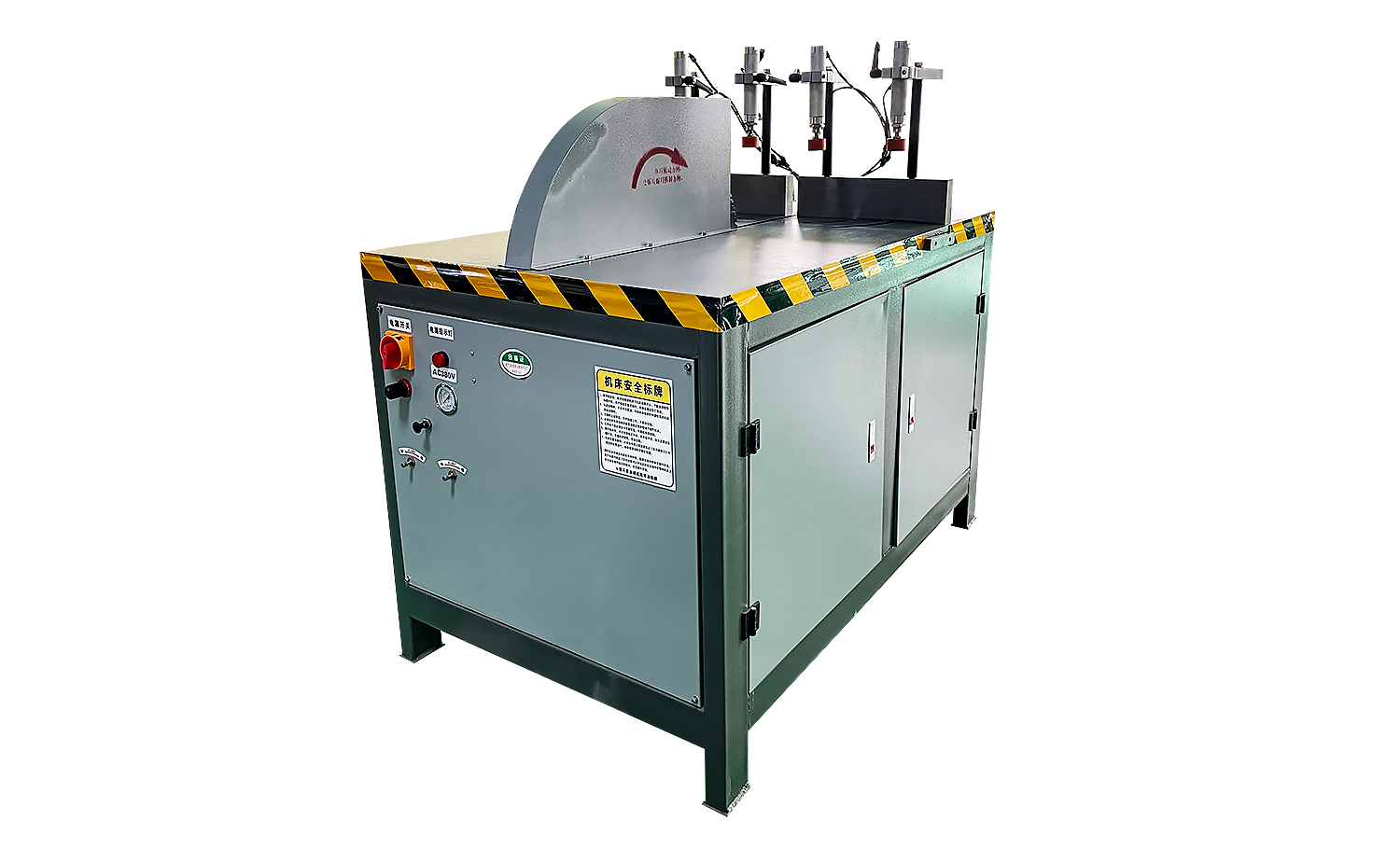
- ES550 Semi-Automatic Aluminum Cutting Machine for Big Profiles and Tubes
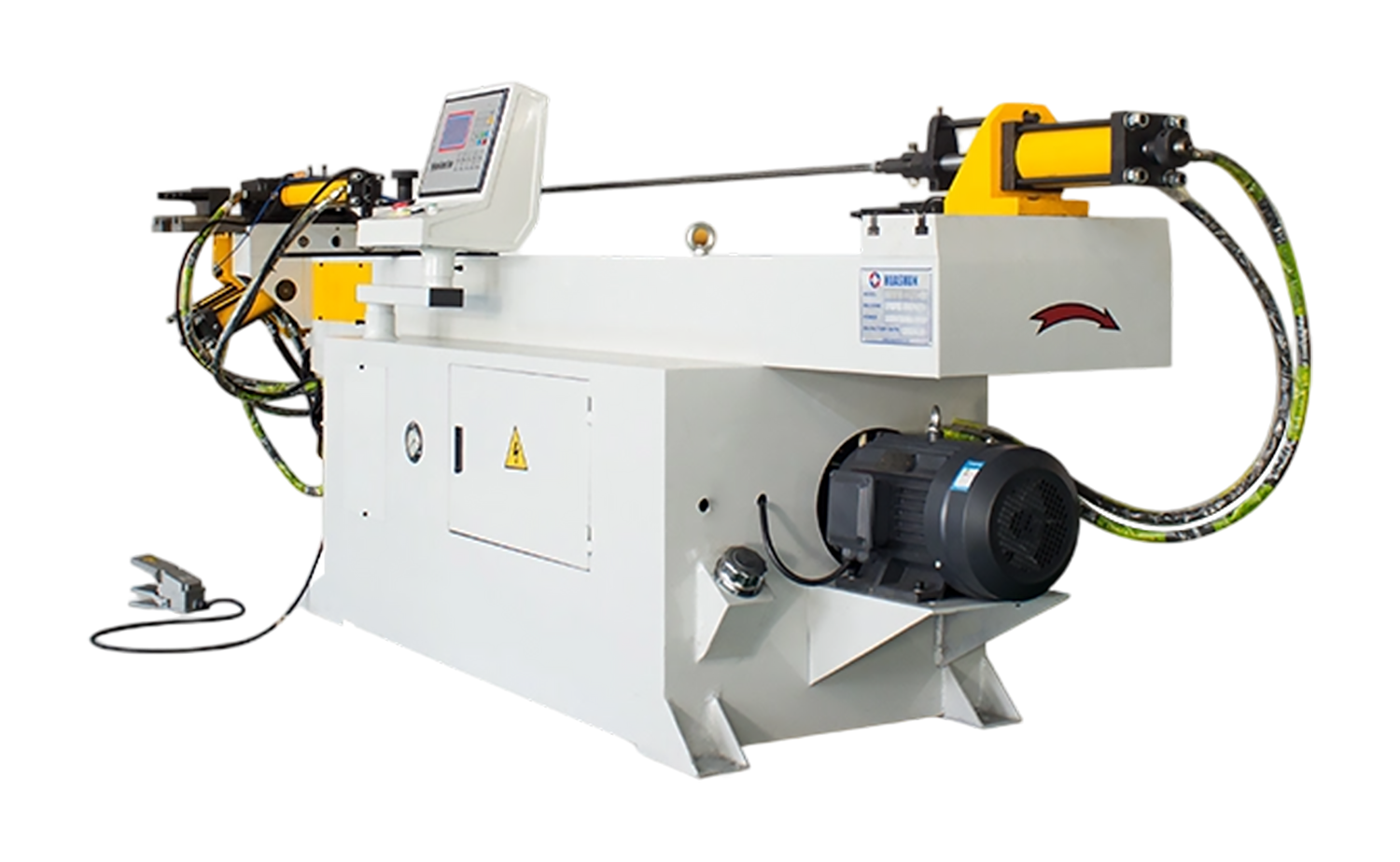
- NC S Series Mandrel Hydraulic Tube Bender with Easy-Program Setting
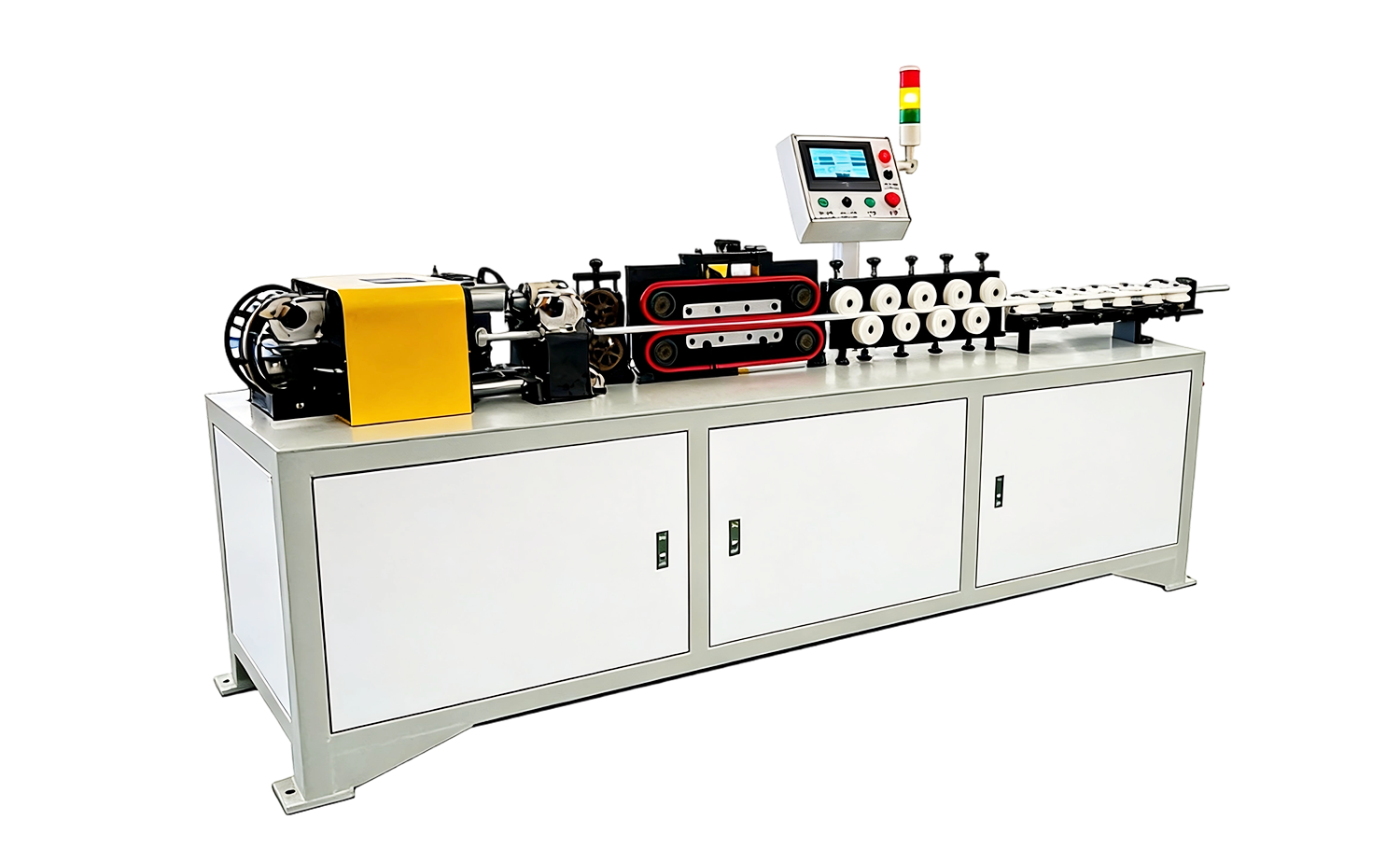
- SC-30 Chipless Tube Straightening and Cutting Machine
- EF PV2 Series Single Head Tube Chamfering Machine for Metal Tubes
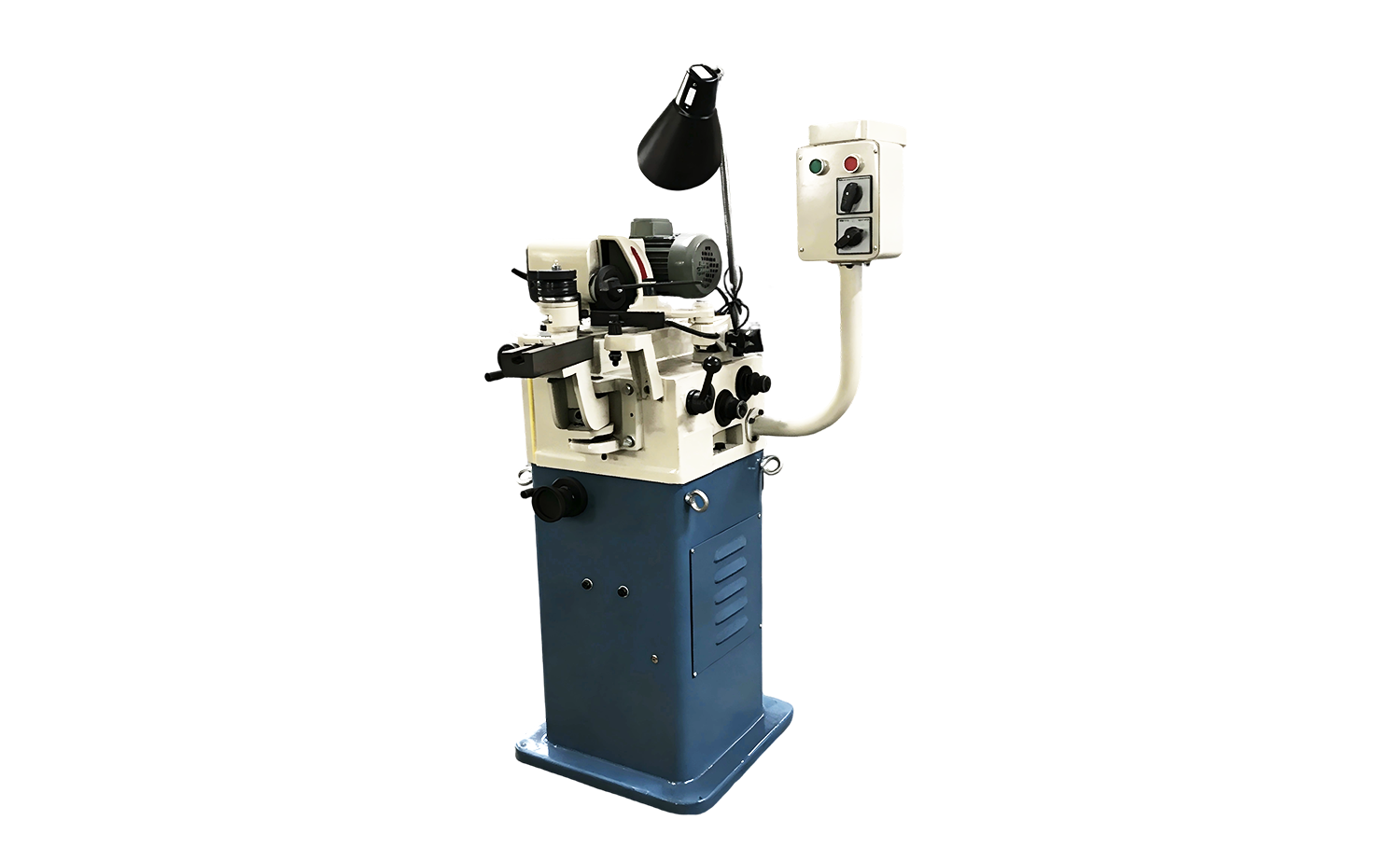
- SG800 Adjustable Saw Blade Sharpening Machine for Multiple Sizes
material for tube forming: Applications, Selection Criteria, and Practical Guidance
Date:Sep 17, 2026
Content
- 1 Why Material Choice Matters in Tube Forming
- 2 Common Materials for Tube Forming
- 3 Material Properties That Drive Forming Behavior
- 4 Tooling Materials: Match the Tool to the Tube
- 5 Choosing the Right Machine for Your Material Mix
- 6 Cutting and End Forming Also Depend on Material
- 7 Practical Tips for Selecting Material for Tube Forming
When a fabricator asks us about material for tube forming, we usually answer with another question: what are you trying to build, and how tight are the bends? The material you load into a bending machine determines tool life, cycle time, bend quality, and whether the finished part passes inspection. There is no universal best material for tube forming; there is only the right material for a specific job.
Why Material Choice Matters in Tube Forming
Tube forming covers many operations: rotary draw bending, roll bending, cutting, end forming, chamfering, and punching. Each process interacts with the workpiece material differently. A tube that bends beautifully can be difficult to cut cleanly. An alloy that end-forms without cracking may spring back so aggressively that every bend angle needs compensation. Understanding material behavior is the difference between smooth production and a pile of scrap.
Three properties matter most: yield strength, elongation, and work hardening. Yield strength determines how much force is needed before the tube begins to deform plastically. Elongation indicates how far the material can stretch before it fractures, which is critical for tight-radius bends. Work hardening describes how quickly the material becomes stronger as it deforms, affecting bendability, tool wear, and the number of forming passes you can make.
Common Materials for Tube Forming
These are the materials we see most often in tube forming shops, along with the behavior you can expect from each one.
| Material | Typical Applications | Formability Notes |
|---|---|---|
| DOM 1020/1026 mild steel | Roll cages, chassis, structural frames | Excellent all-around choice; bends predictably with mandrel support |
| 4130 chromoly | Aerospace, motorsport, lightweight structures | Strong, but requires more force and careful springback compensation |
| Austenitic stainless (304/316) | Food processing, medical equipment, architectural work | Work-hardens quickly; needs powerful machines and good lubrication |
| Aluminum (6061, 6063) | Furniture, heat exchangers, railings | Cracks easily on tight radii; choose temper and mandrel carefully |
| Copper and brass | Plumbing, electrical parts, decorative items | Soft and easy to form, but prone to scratching and ovality |
| Titanium (Grade 2 and 5) | Aerospace, marine, medical implants | Very challenging; needs special tooling and slow bend speeds |
Mild steel, especially DOM 1020 or 1026, remains the most common material for tube forming in structural and automotive work. It bends predictably, holds its shape well, and responds consistently to mandrel-supported bending. For shops producing roll cages, chassis components, and heavy equipment parts, DOM steel offers the best balance of strength, ductility, and cost.
Austenitic stainless steels such as 304 and 316 are popular in food processing, medical equipment, and architectural projects. They resist corrosion and look good, but they work-harden aggressively. A stainless tube that has been partially bent becomes harder and stronger in the deformed zone, increasing the force needed for the rest of the bend and accelerating tool wear. Aluminum-bronze wiper dies and high-quality lubricant are essential for clean stainless bends.
Aluminum alloys like 6061-T6 and 6063-T52 are lightweight and easy to machine, which is why they dominate industries such as furniture, HVAC, and architectural railing. However, they crack more easily on tight radii. The temper condition is critical: a fully hardened T6 temper has much less elongation than a T52 or O temper. If you need tight bends in aluminum, choose a softer temper and use a mandrel with enough balls to support the inner wall.
Material Properties That Drive Forming Behavior
Yield Strength and Springback
Springback is the elastic recovery of the tube after the bending load is removed. Every material springs back to a different degree. High-strength materials such as 4130 chromoly and titanium spring back far more than mild steel, so the bend die must overbend the tube by an angle that compensates for the recovery. Modern CNC tube bending machines handle this with programmable compensation, but each material lot still needs verification.
Elongation and Minimum Bend Radius
Elongation determines how tightly a tube can be bent before the outer wall fractures. As a rule, the harder the material, the larger the minimum centerline radius must be relative to the tube diameter. A mild steel tube can often be bent to a tight radius of 1.5 times the outer diameter, while a high-strength aluminum or titanium tube may require 3 times the diameter or more. Wall thinning on the outside and wrinkling on the inside are the two failure modes to watch for.
Work Hardening and Tool Wear
Materials that work-harden quickly, stainless steel and titanium being the classic examples, wear tooling faster and require more power from the machine. When you select a material for tube forming, factor in the cost of tooling maintenance and the need for robust clamping. A heavy-duty CNC bender with servo-hydraulic control is a far better match for these materials than a light-duty machine.
Tooling Materials: Match the Tool to the Tube
The tooling that contacts the tube often decides whether a difficult material can be formed successfully. For most tube bending jobs on carbon steel, alloy steel tooling is the best choice because it resists wear and holds its dimensional accuracy over long production runs. But when the workpiece is ferrous stainless or titanium, the pressure between the tool and the tube can cause galling and scoring. In those cases, aluminum-bronze tooling for wiper dies and mandrels reduces friction and protects the tube surface.
Chrome-plated mandrels are another common option. They offer low friction for bending aluminum, copper, and bronze tubing and last well in high-volume production. The key is to match the tooling material not only to the workpiece but also to your lubrication strategy and the machine's power capacity.
Choosing the Right Machine for Your Material Mix
Once you understand the material for tube forming, the next step is to match it with the right equipment. Heavy-wall tubes in high-strength steel call for a fully automatic CNC bending machine with servo-hydraulic power and a mandrel axis that can handle high loads. Thin-wall aluminum and stainless tubes require precise mandrel control and consistent bend speeds to avoid wrinkles and ovality.
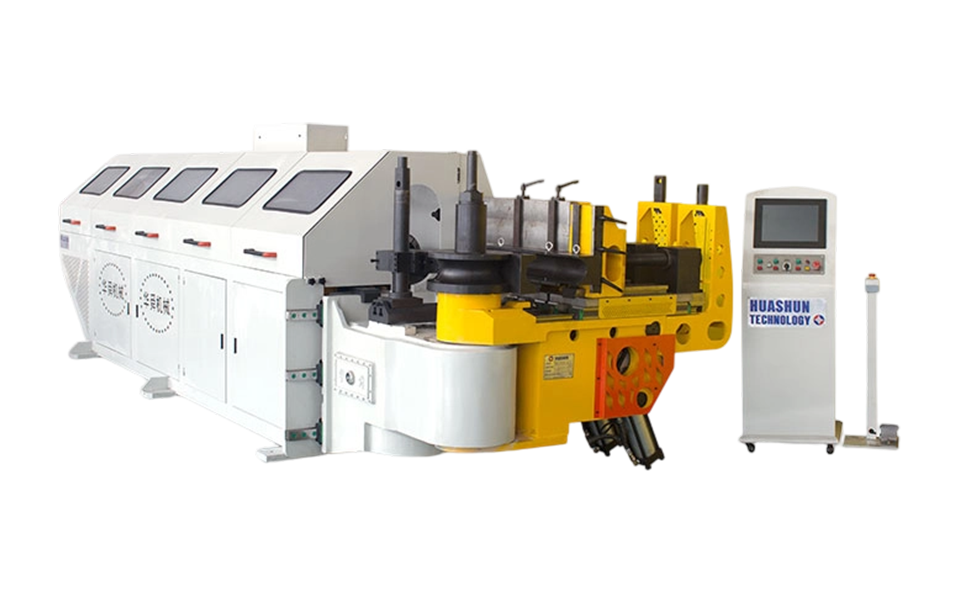 SB-219CNC Fully Automatic CNC Tube Bending Machine with Servo-Hydraulic ControlThis fully automatic pipe bender features three programmable axes, servo motors, and a touch-screen PLC, supporting hydraulic and CNC modes for precise, repeatable bends across various materials.View Product →
For shops that bend a wide variety of materials, a machine with programmable radius compensation and multi-radius capability saves hours of setup time. Our clients in automotive manufacturing routinely switch between mild steel, aluminum, and stainless in a single shift. The key to their success is a machine that stores the bend parameters for each material and tube size.
Cutting and End Forming Also Depend on Material
Bending is not the only operation where material matters. Cutting a tube cleanly without excessive burrs requires a blade speed and feed rate matched to the material's hardness. Aluminum, for example, cuts quickly but tends to form a built-up edge on the blade, while stainless requires slower speeds and more coolant.
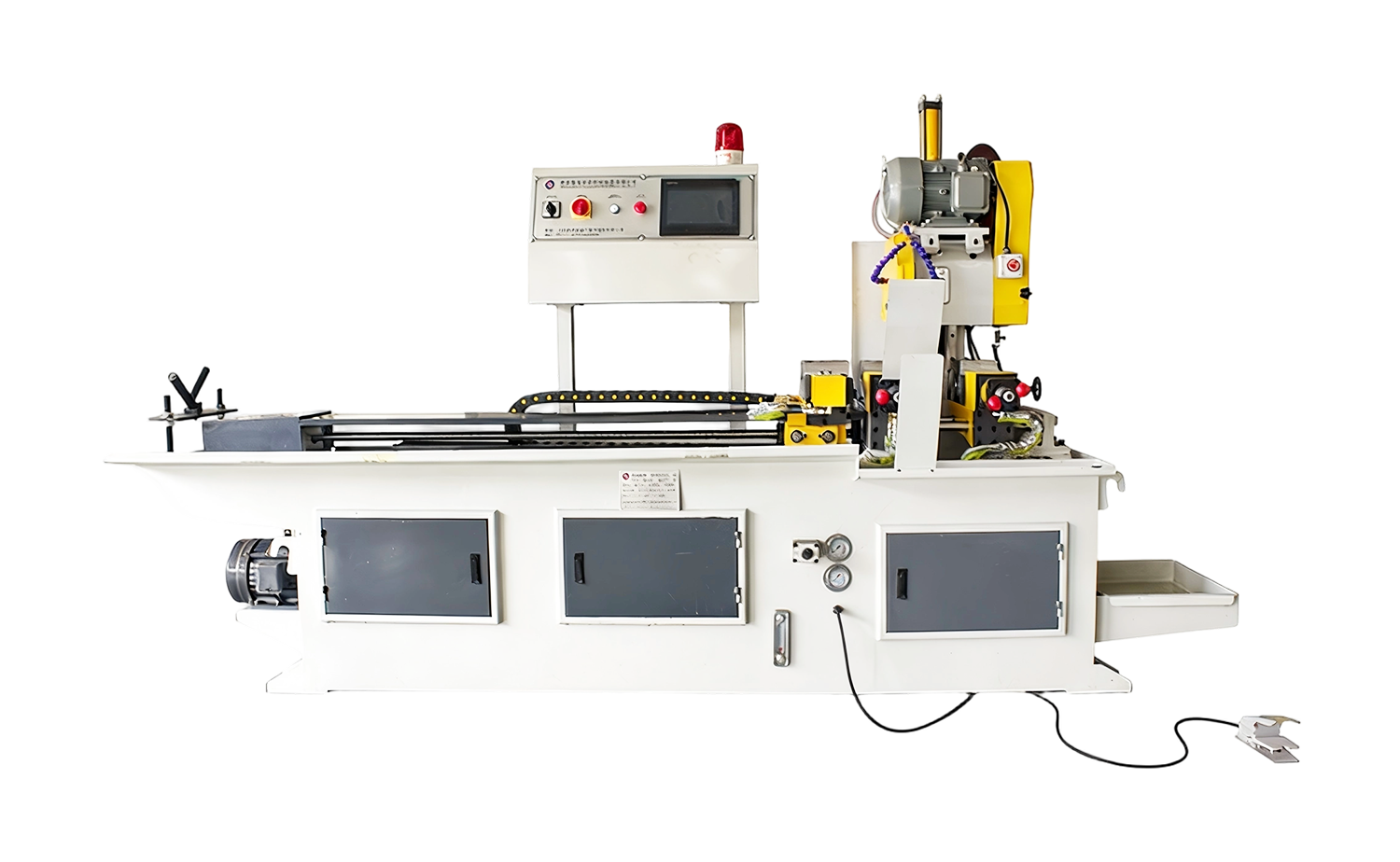 CNC Series Automatic Servo Feeding Tube Cutting MachineAn automated circular saw cutting machine with PLC control, hydraulic clamping and feed, capable of burr-free cuts on carbon and stainless steel, with multi-tube fixtures and low-noise operation.View Product →
End forming, which includes reducing, expanding, and cold forming the tube end, is equally sensitive to material grade. A material with good elongation can be reduced in diameter by several millimeters in a single stroke. A brittle or work-hardened material may crack instead. Hydraulic end forming machines with adjustable stroke and speed give you the control needed to adapt to each material.
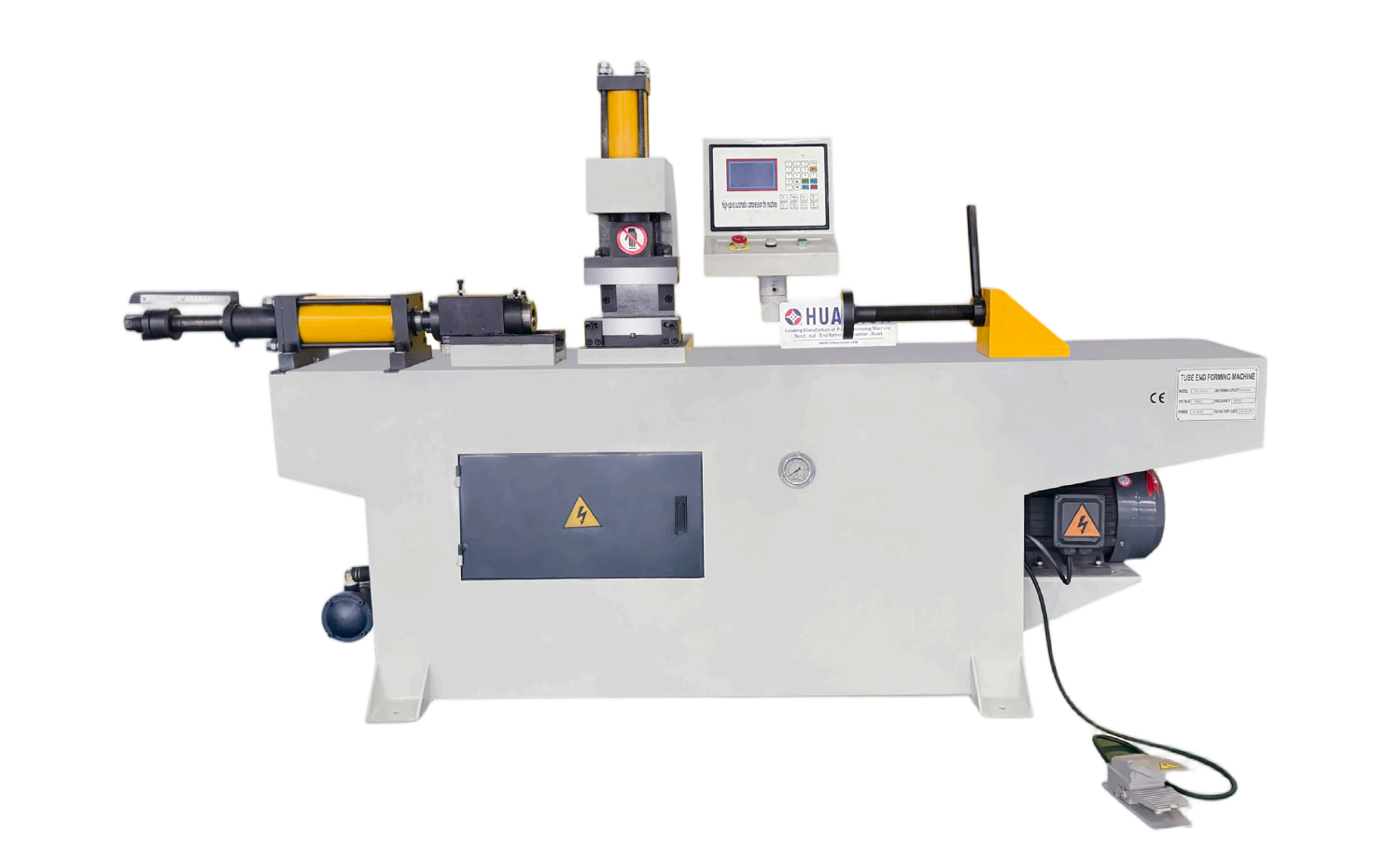 TM40 Automatic Single Head Tube End Forming MachineA hydraulic end forming machine with a PLC touch screen, offering automatic or manual modes and versatile die shapes for reducing, expanding, and cold forming tube ends in high-volume production.View Product →
For high-volume production, an automatic single-head end former with the correct die set produces consistent results across large batches. Whatever material you choose, test your material and adjust the forming speed and lubrication before committing to full production.
Practical Tips for Selecting Material for Tube Forming
- Always check the material certificate. Yield strength and elongation vary from one heat lot to another.
- Run bend tests before production. A small sample with the actual tooling reveals springback, wrinkling, and wall thinning.
- Match the temper to the bend radius. For tight bends, choose a softer temper and heat-treat after forming if necessary.
- Use lubrication generously for stainless and titanium.
- Keep a logbook of material lots and machine settings so repeat orders start with proven parameters.
- Talk to your machine supplier early. An experienced tube forming equipment manufacturer can recommend tooling and machine configurations for your material mix.
Material is the foundation of every successful tube forming operation. By understanding how yield strength, elongation, and work hardening influence the process, and by matching the material to the right machine and tooling, you can achieve consistent bend quality, longer tool life, and fewer rejected parts. If you are evaluating a new material for tube forming and want advice on equipment setup, contact our team. We have probably bent it before, or we know someone who has.
Recommended Articles


Copyright © 2025 Huashun Technology All Rights Reserved.
Custom Precision Tube Forming Machine Manufacturers