
 English
 русский
 Español
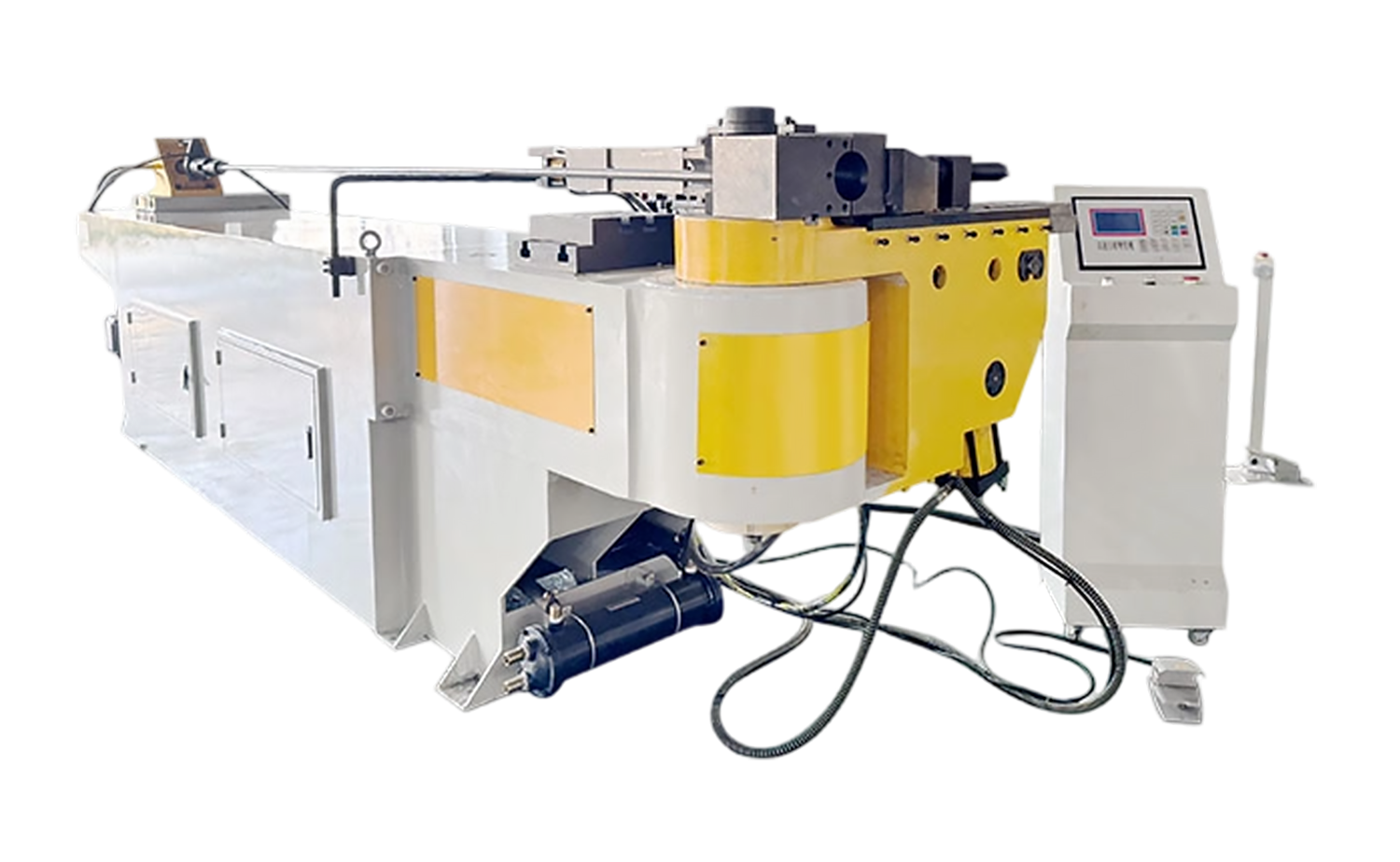
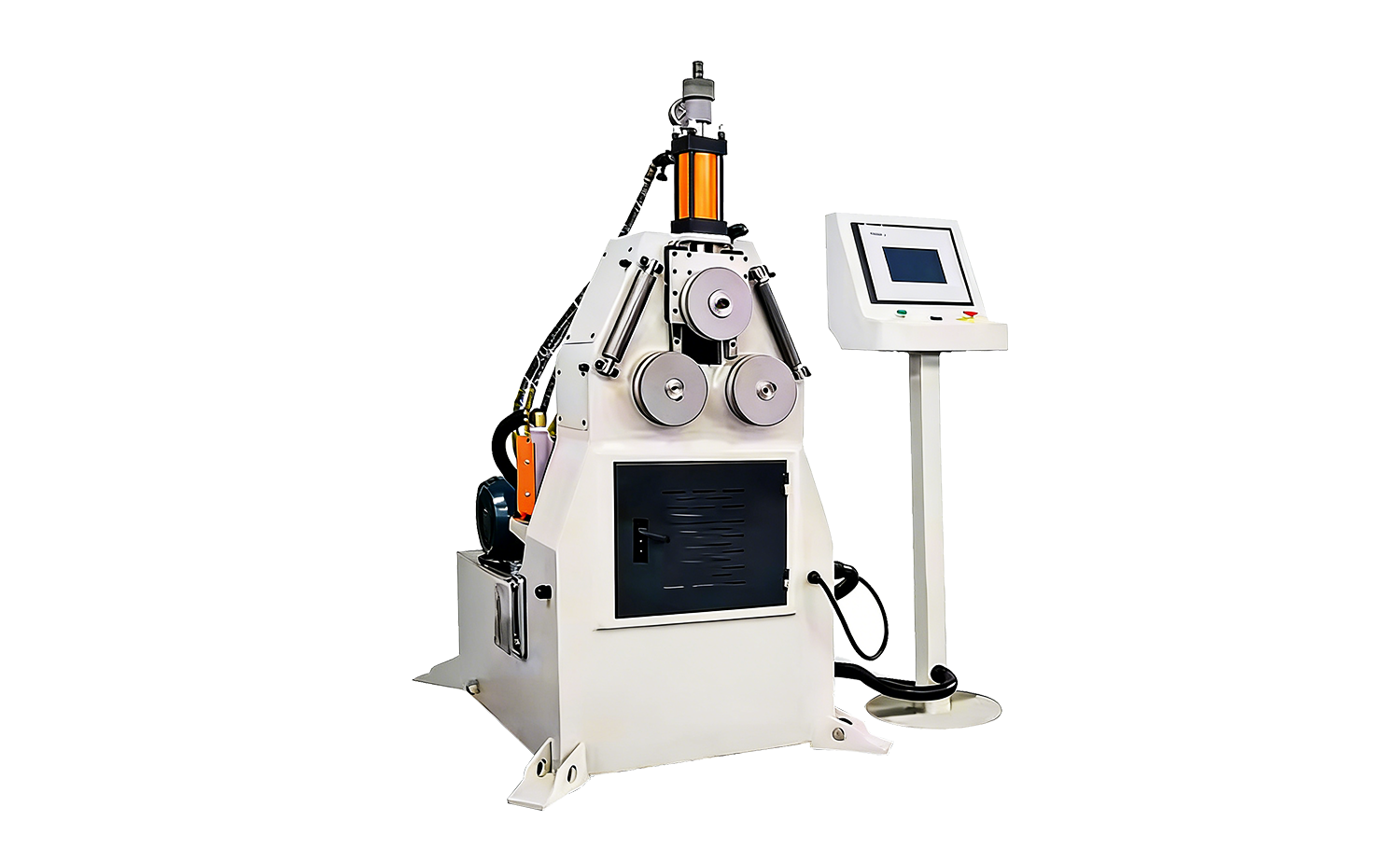
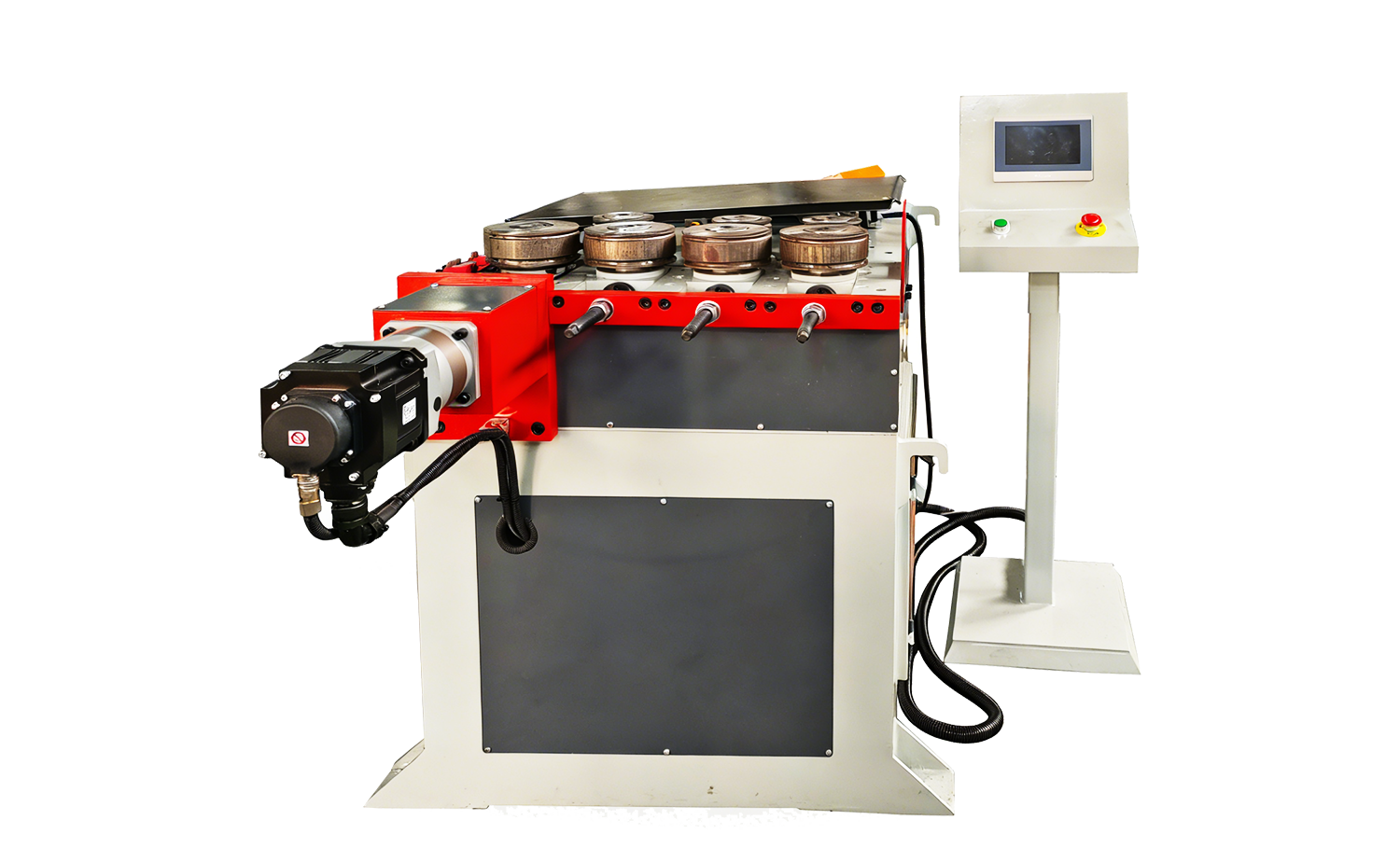
- CNC Series Tube Roll Bending Machine for Metal Profiles
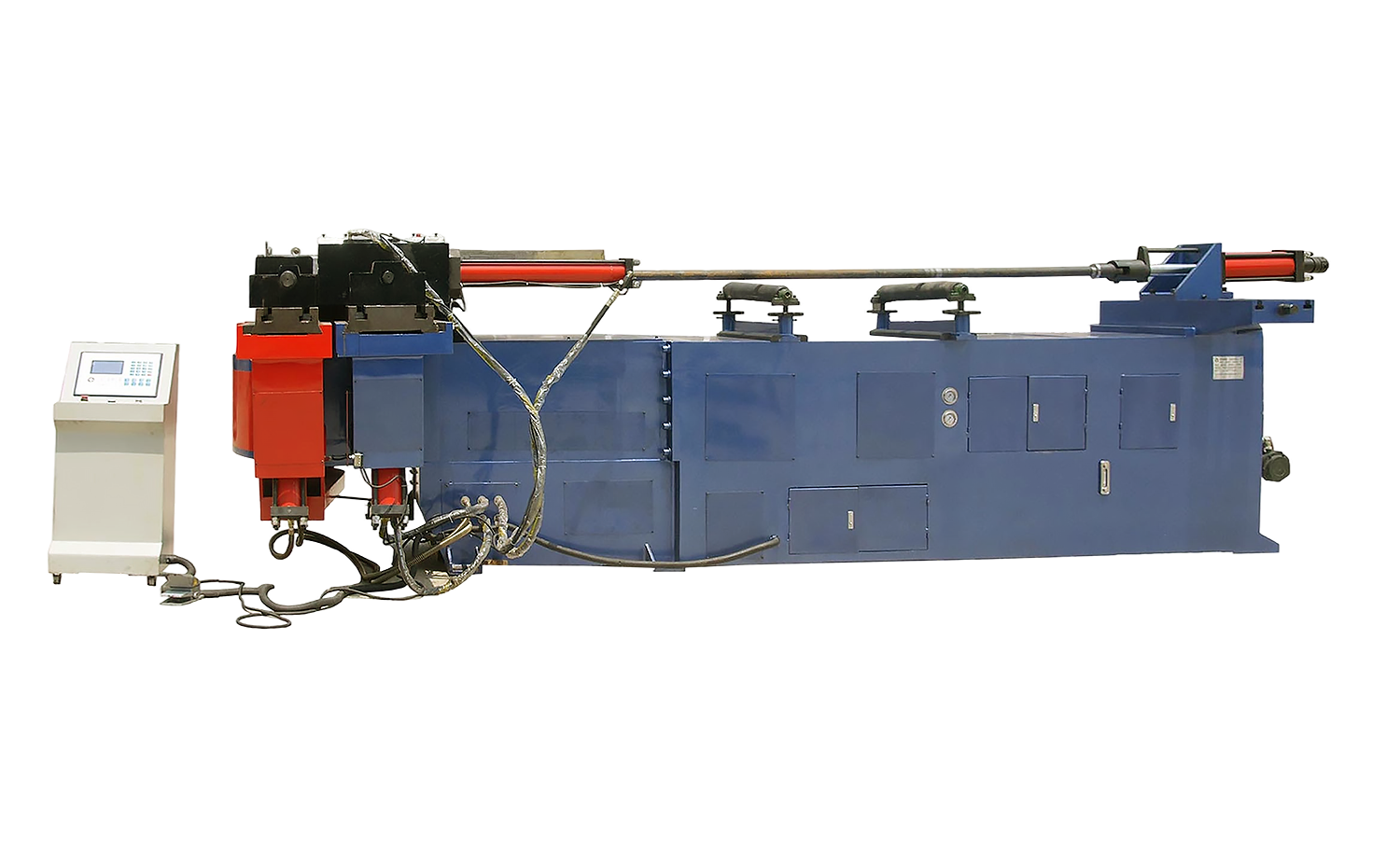
- NC M Series Hydraulic Tube Bending Machine with Mandrel Control
- High Precision CNC Tube Roll Bending Machine
- NC L Series High-performance Hydraulic Pipe/Tube Bending Machine
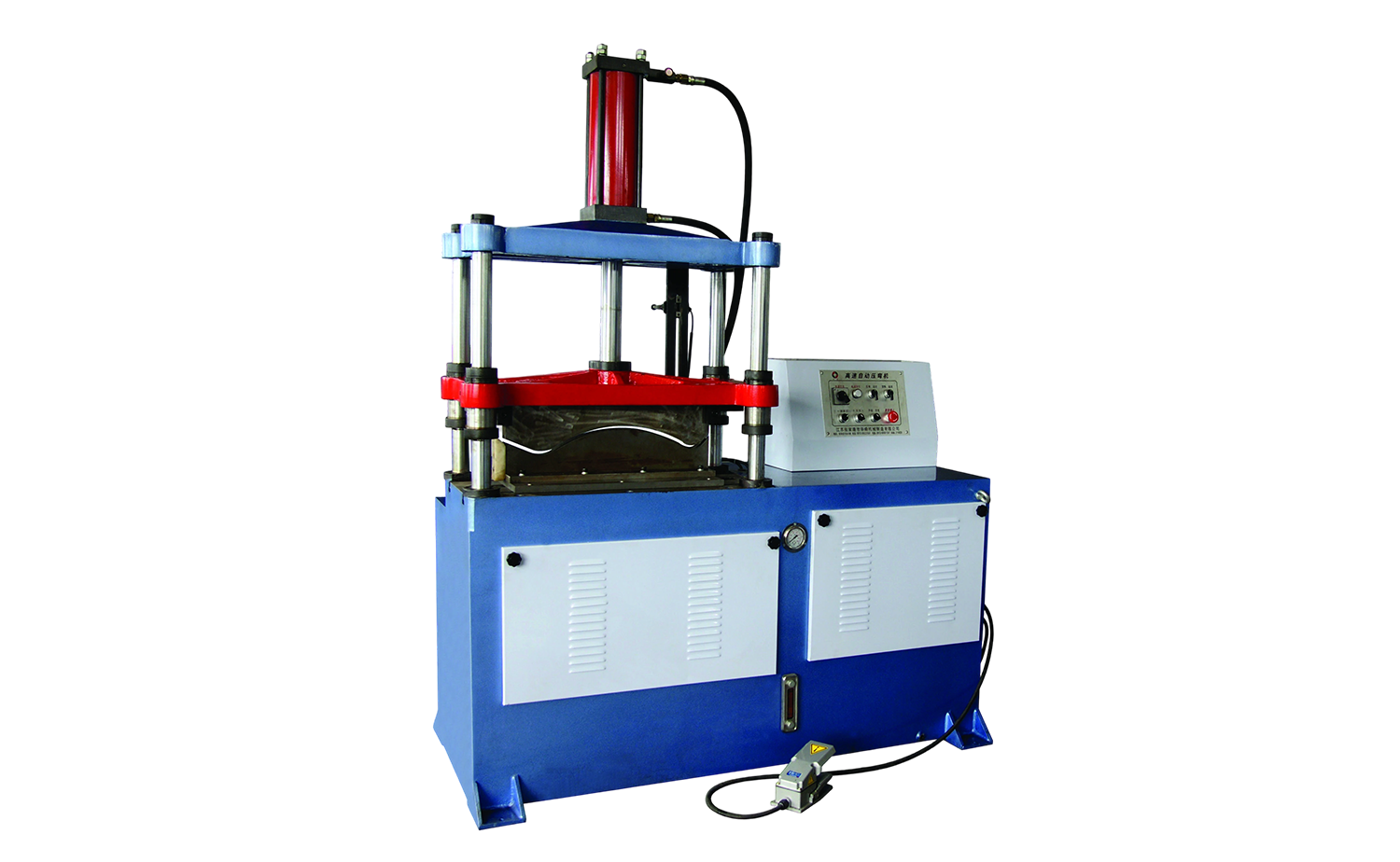
- YW Series Heavy-Duty Press Bending Machine for Metal Tubes
- GY40 CNC Series High-Speed Thin-Walled Tube Roll Bending Machine
Mandrel Bends Solutions: Precision Tube Bending Machines for Industrial Fabrication
Date:Sep 18, 2026
Content
If you’ve spent any time around exhaust systems, roll cages, or hydraulic lines, you know that a clean, wrinkle-free bend is not just about looks—it’s about performance. That’s where mandrel bending comes into play. Unlike conventional crush bending, which deforms the tube’s inner diameter and creates flow restrictions, mandrel bending uses an internal support to preserve the cross-section throughout the bend radius. The result? Smooth, consistent curves that maintain full flow capacity and structural integrity. At Huashun, we’ve been manufacturing tube bending machinery for decades, and we’ve helped fabricators around the world tackle their mandrel bends challenges with equipment that delivers repeatable precision. In this article, we’ll walk through what makes mandrel bends solutions so critical, the industries that depend on them, and how to choose the right machine for your shop.
What Is Mandrel Bending and Why Does It Matter?
Mandrel bending is a process where a flexible or rigid mandrel is inserted inside the tube before the bending force is applied. The mandrel supports the inner wall, preventing the tube from collapsing, wrinkling, or thinning excessively. This is especially important for thin-walled tubes—common in exhausts, intake systems, and structural frames—where even minor deformation can compromise flow or strength. The technique contrasts sharply with compression or press bending, where the outer wall stretches and the inner wall buckles. Mandrel bends are the gold standard for any application where the tube must carry fluid, gas, or structural load without interruption.
Over the years, we’ve seen shops try to save money with cheaper bending methods, only to come back to mandrel bending after dealing with rejected parts and performance complaints. The upfront investment in the right bending equipment pays for itself in reduced scrap, faster production, and higher customer satisfaction. That’s why we design our machines to handle mandrel bending from day one, whether you’re working with mild steel, stainless steel, aluminum, or copper.
Industries That Rely on Mandrel Bends Solutions
Mandrel bends are not limited to automotive exhausts—though that’s certainly a big part of it. They’re found in virtually every industry that uses formed tubing. Here’s a quick look at the key sectors we serve:
| Industry | Common Tube Materials | Typical Applications |
|---|---|---|
| Automotive Manufacturing | Stainless steel, aluminized steel | Exhaust systems, chassis components, roll cages |
| Aerospace & Aviation | Titanium, Inconel, aluminum | Hydraulic lines, fuel systems, structural frames |
| HVAC & Refrigeration | Copper, aluminum | Coolant lines, condenser coils |
| Fitness Equipment | Mild steel, stainless steel | Weight machine frames, handlebars |
| Data Center Cooling | Copper, stainless steel | Liquid cooling loops |
Each of these industries demands bends that are free from internal ridges and thinning. For example, in automotive manufacturing, a mandrel-bent exhaust reduces backpressure and improves engine efficiency. Aerospace parts must meet stringent tolerances because a collapsed tube could cause a system failure. No matter the field, the core need is the same: repeatable, high-quality bends without defects.
Choosing the Right Mandrel Bending Equipment
Selecting a mandrel bender depends on your production volume, material types, bend complexity, and budget. We offer a full spectrum—from manual machines for prototyping and small batches to fully automatic CNC benders for high-volume production. Let’s break down the main options.
CNC Automatic Mandrel Benders
For shops that need maximum flexibility and repeatability, CNC automatic benders are the way to go. These machines use servo-hydraulic or all-electric drives to control bend angle, distance between bends, and rotation with high precision. They can store hundreds of program profiles, making them ideal for job shops running multiple part numbers. Our CNC L-Series, for instance, handles complex multi-bend parts with a servo-hydraulic system that adjusts the mandrel advance automatically. It’s a true workhorse for mandrel bends solutions in medium-to-high production.
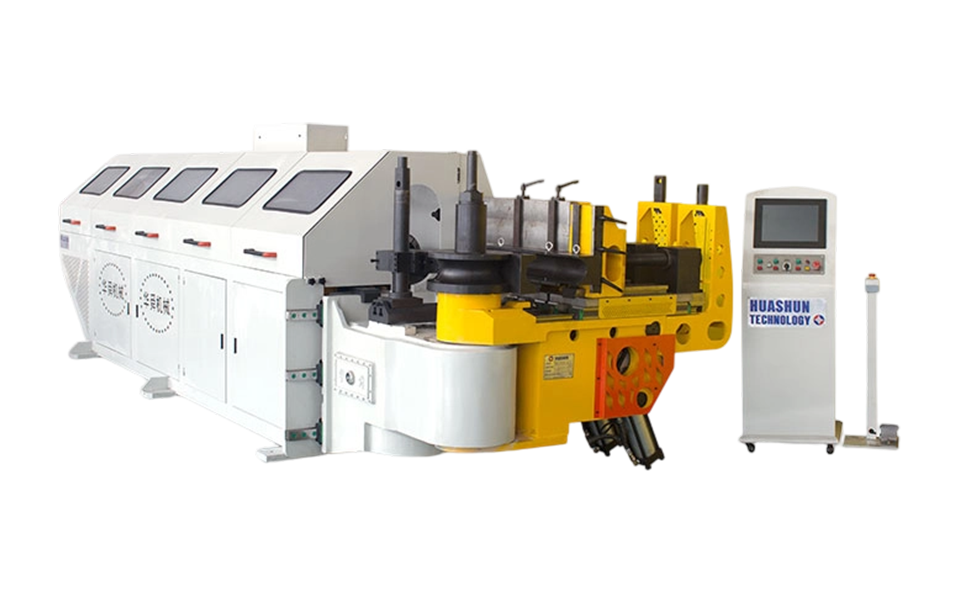 CNC L Series Fully Automatic Tube Bending MachineThis servo-hydraulic bender stores hundreds of programs for complex multi-bend parts, with automatic mandrel advance ensuring precision and repeatability in medium-to-high production.View Product →
NC Semi-Automatic Mandrel Benders
If you don’t need full CNC automation but still want mandrel control, our NC M-Series and S-Series offer a cost-effective middle ground. They feature manual or motorized clamping, a mandrel advance system, and user-friendly programming via touchscreen. These machines are popular in maintenance shops and small fabricators where batch sizes vary.
Manual and Specialized Benders
For simple bends, low-volume runs, or large-diameter tubes, manual benders and press benders may suffice. However, true mandrel bending usually requires at least a semi-automatic setup to control the mandrel timing. We also offer HVAC-specific solutions, including roller bending machines that use mandrel support in a different way.
Complementary Processes for a Complete Solution
A mandrel bend is rarely the only operation a tube goes through. To deliver finished parts, you often need cutting, end forming, punching, and chamfering as well. We’ve built our product line around this reality—you don’t have to chase multiple vendors for pre- and post-bending equipment.
Precision Cutting and End Preparation
Before bending, the tube must be cut to length with a square, burr-free end. Our range of tube cutting machines includes semi-automatic saws and fully automatic servo-feed units that integrate seamlessly with downstream benders. After bending, you might need to flare, reduce, or expand the tube ends. Our single- and double-head end forming machines, like the 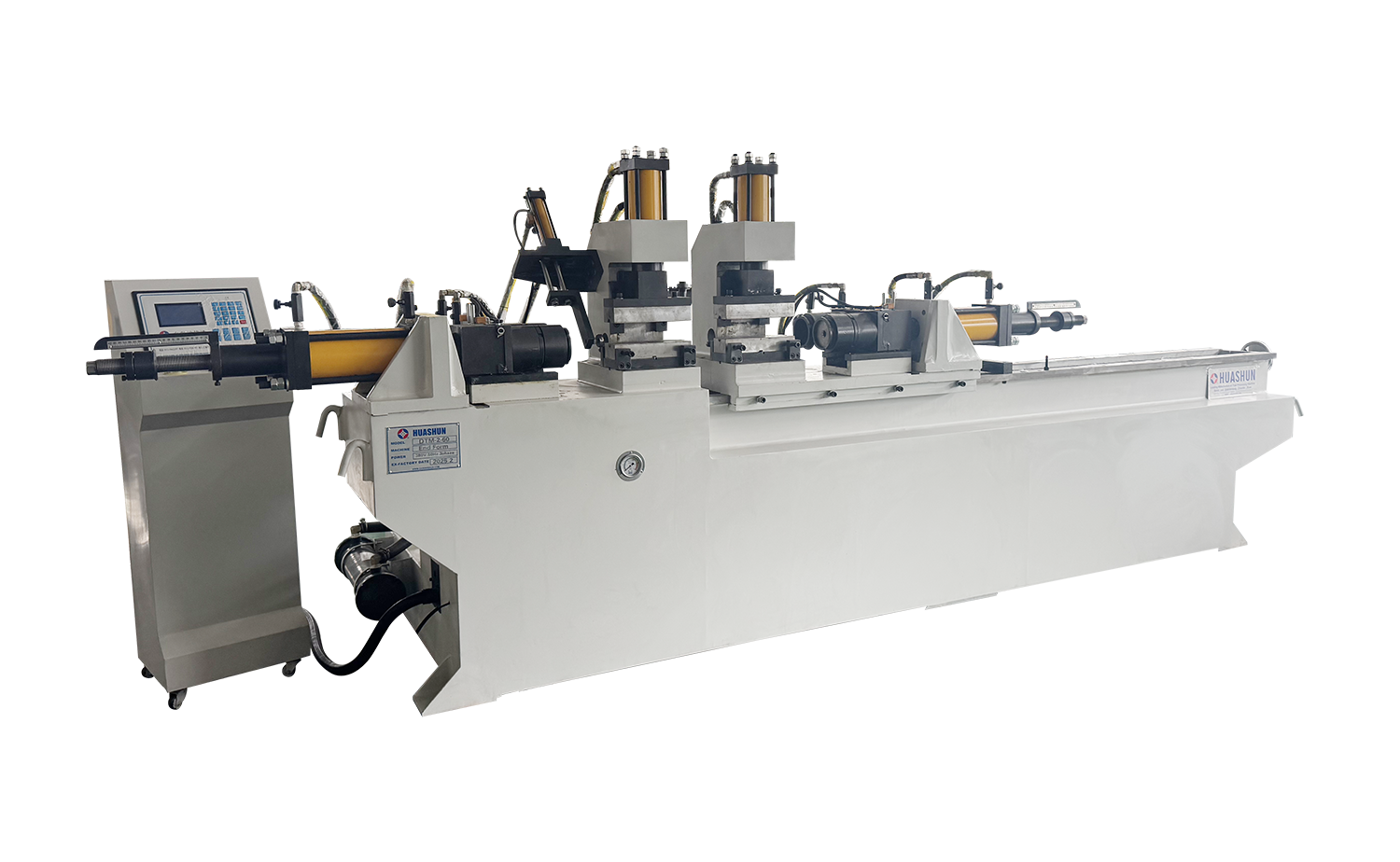 DTM100 Double Head End Forming MachineThe dual-head design shapes IDs and ODs in seconds, supporting multiple end forms like concave-convex and expansions. PLC control and quick die changes boost productivity for varied batch sizes.View Product →, can shape IDs and ODs in seconds.
Chamfering and Deburring
Sharp edges after cutting can cause injury or interfere with assembly. We manufacture single- and double-head chamfering and deburring machines that clean both ID and OD edges in a single pass. These units are fast to set up and keep your production line moving.
Punching and Notching
Sometimes you need holes or notches in bent tubes—for mounting brackets, flow ports, or attachment points. Our tube punching and arc notching machines can be integrated into the bending line or used separately. The 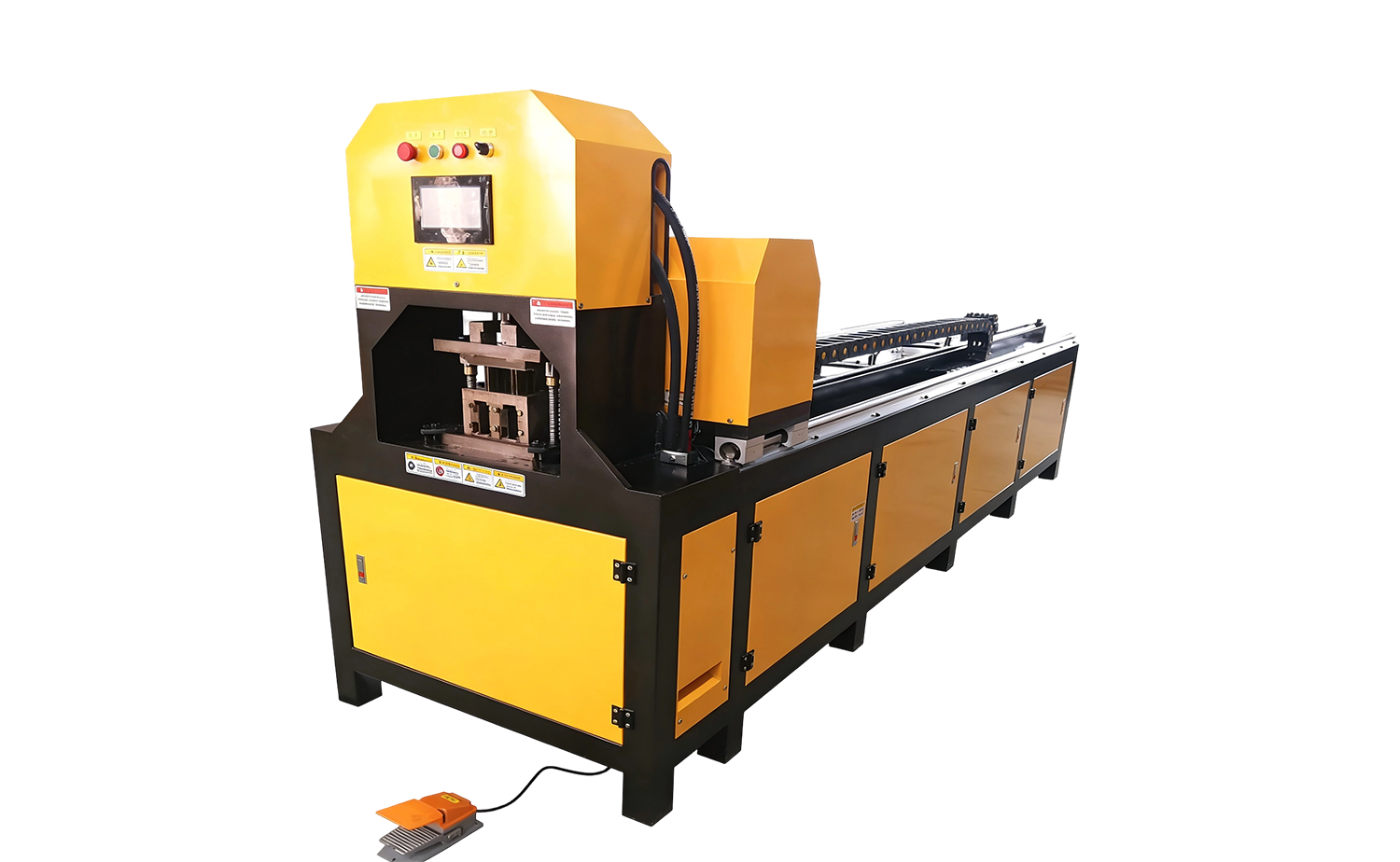 CNC Series Automatic Single Cylinder Hydraulic Punching MachineThis fully automated punch programs hole positions on tubes and pipes, ideal for rack shelving. Its hydraulic power and PLC system ensure accurate, high-throughput hole patterns.View Product → offers programmable positioning for precise hole patterns.
Having all these processes under one roof means you can rely on consistent quality and faster lead times. It also simplifies spare parts and service support.
Why Huashun Understands Your Mandrel Bends Needs
We’ve been in the tube bending industry since the early days of CNC technology. Our team has seen trends come and go, but one thing remains constant: the demand for defect-free, repeatable bends. We don’t just sell machines—we help you develop the process. Whether you’re starting from scratch or upgrading an existing line, we’ll recommend the right mandrel type, lubrication strategy, and clamp design for your material. Our factory in Zhangjiagang produces machines that are tested with real-world materials before leaving the floor. And because we manufacture a wide range of auxiliary equipment, you get a complete mandrel bends solution, not just a bender.
If you’re curious about how our equipment can improve your mandrel bending operations, get in touch. We’re happy to share case studies, arrange a test run, or help you choose the first machine for your shop.
Recommended Articles


Copyright © 2025 Huashun Technology All Rights Reserved.
Custom Precision Tube Forming Machine Manufacturers