
 English
 русский
 Español
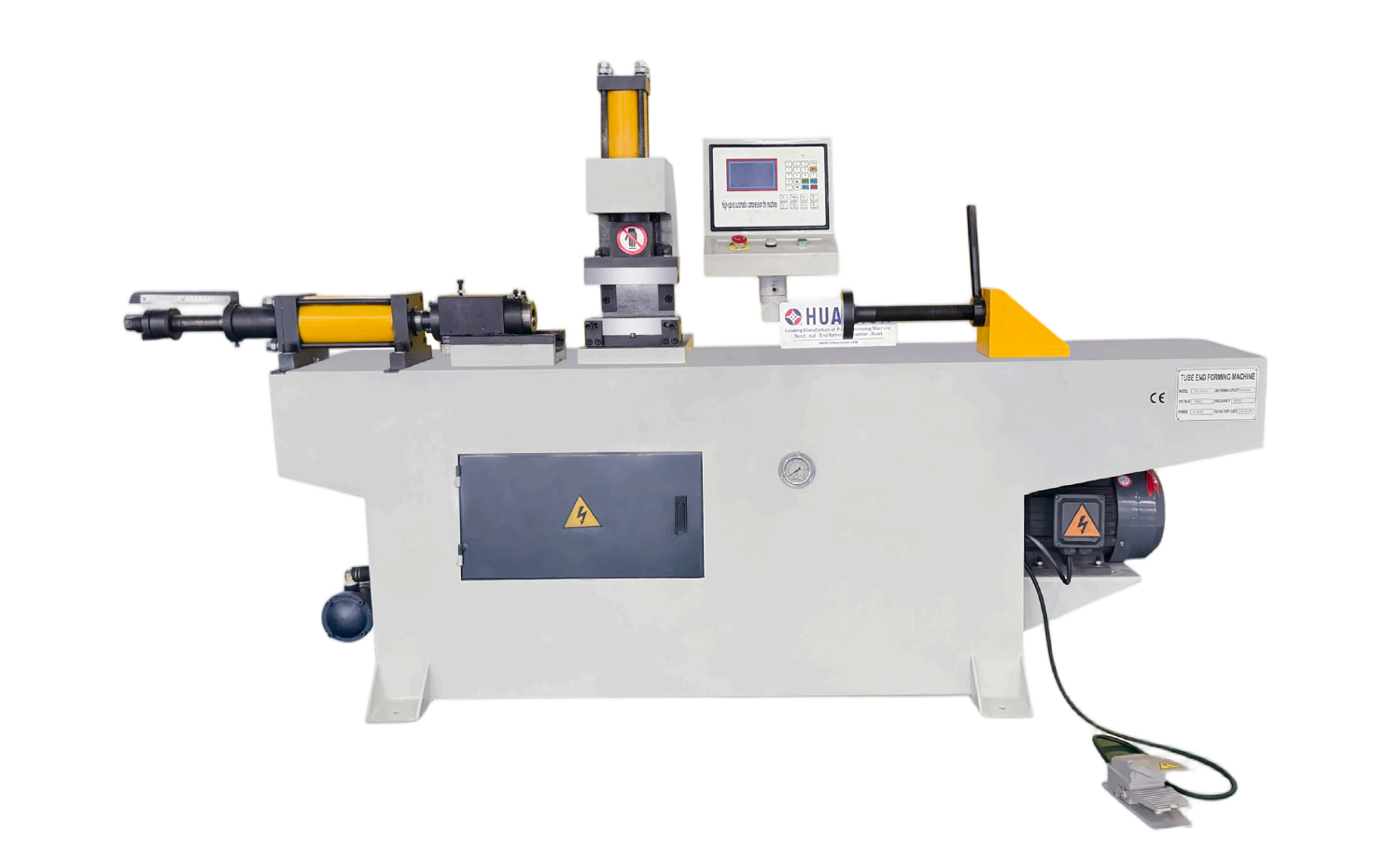
- TM40 High Efficiency Automatic Single Head Tube End Forming Machine
- TM80 Automatic Single Head Tube End Forming Machine
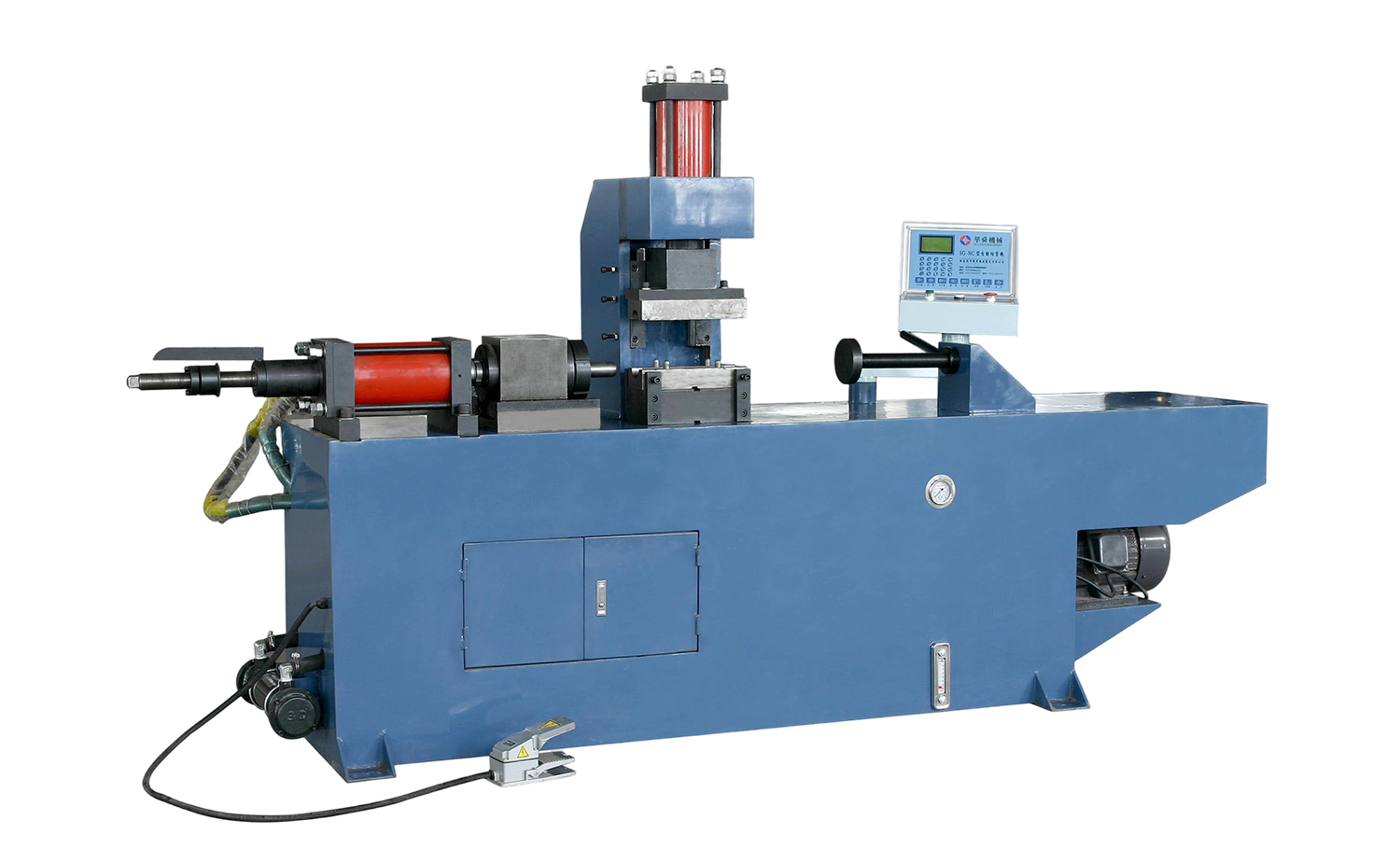
- TM60 Hydraulic Single Head Tube End Forming Machine
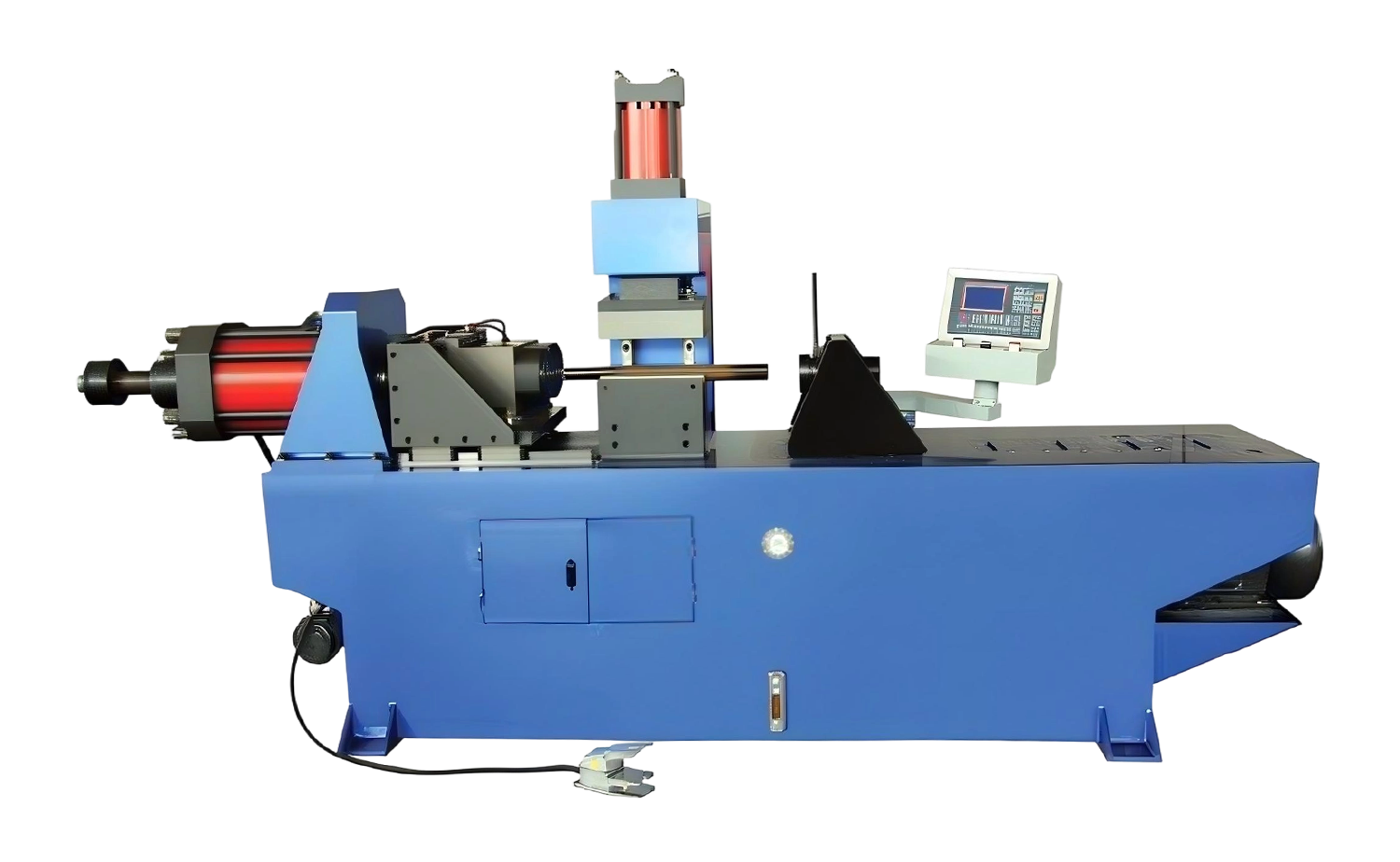
- TM100 Multi-Shape Forming Single-Head Tube End Forming Machine
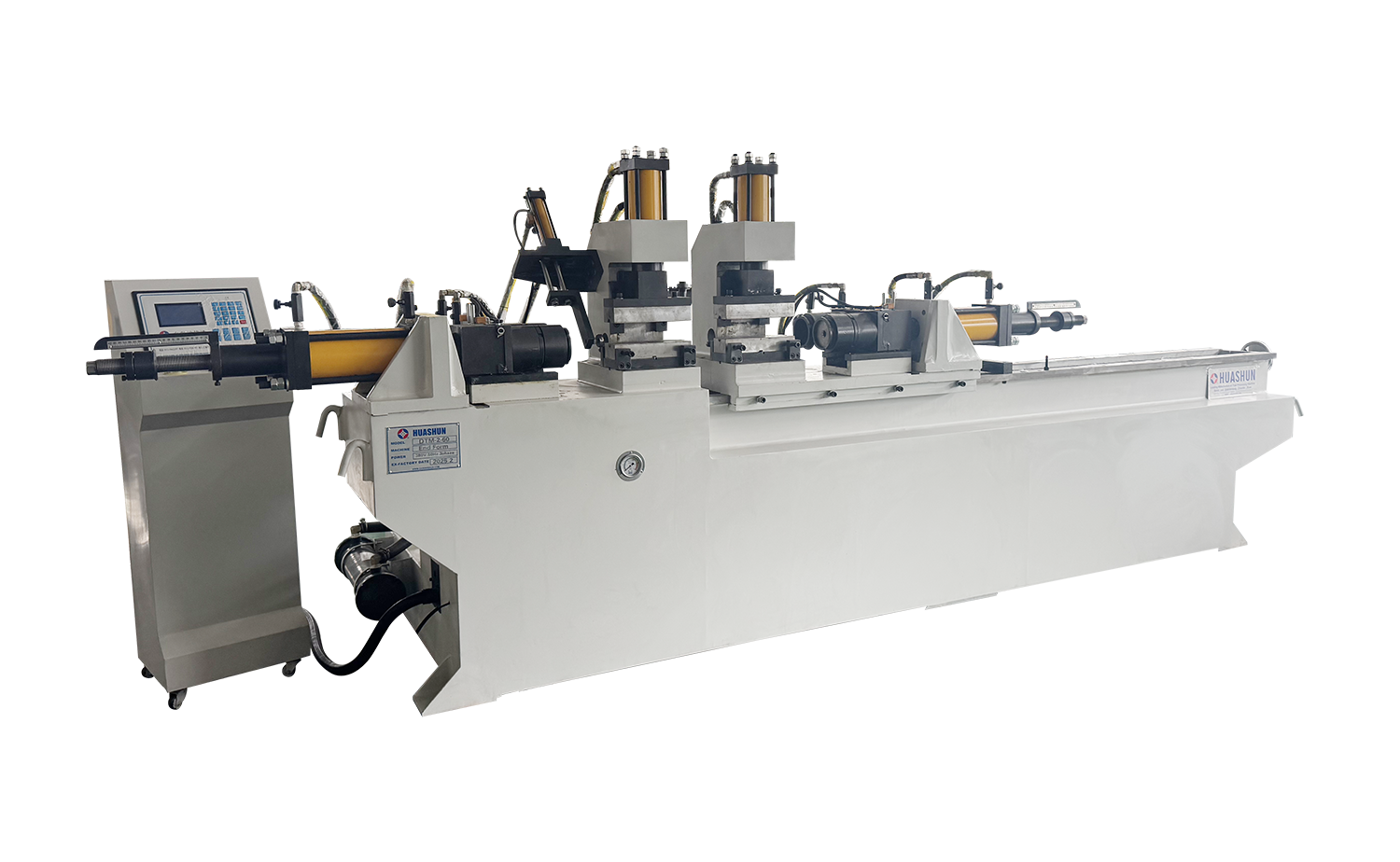
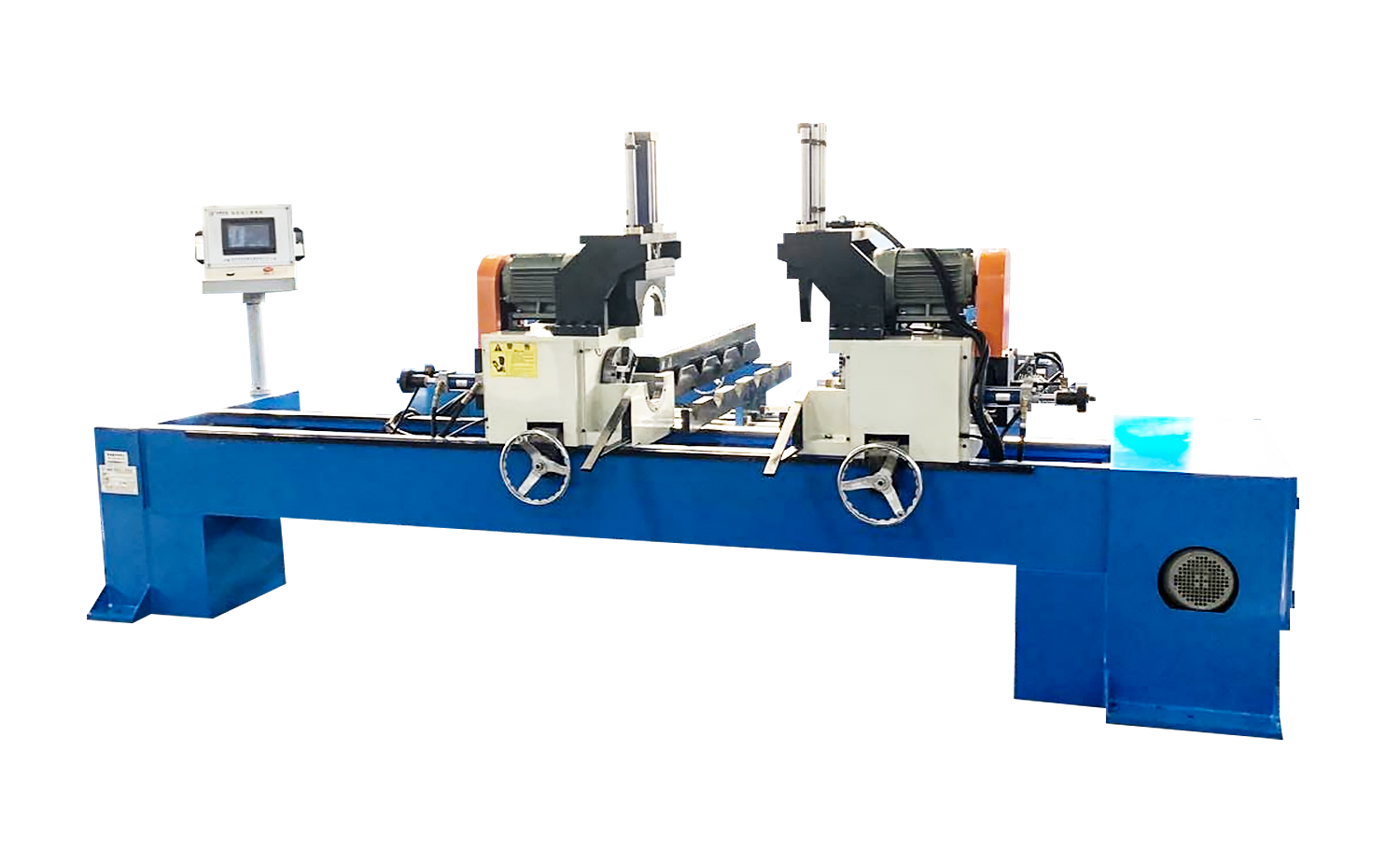
- DTM40 High Efficiency Double Head Hydraulic Tube End Forming Machine
- DEF SM Series High Speed Semi-Automatic Double Head Tube Chamfering Machine
Why Is Smart Single Head Tube End Forming the Critical 'Smart Key' to Accelerating the Global Revolution of NEV Lightweighting?
Date:Jul 09, 2026
Content
- 1 What Is a Smart Single Head Tube End Forming Machine
- 2 Why Tube End Forming Matters for NEV Lightweighting
- 3 Core Capabilities of Smart Single Head Tube End Forming Machines
- 4 Common Tube End Forming Applications in NEV Manufacturing
- 5 The Role of Automation in Consistency and Efficiency
- 6 Supporting Sustainable Manufacturing Through Precision Forming
- 7 The Wellness Dimension of Precision Manufacturing Environments
- 8 Best Practices for Implementing Smart Tube End Forming Technology
- 9 Common Mistakes to Avoid
- 10 Choosing the Right Machine for Your Production Needs
- 11 Frequently Asked Questions
- 12 Final Thoughts
The rise of new energy vehicles has reshaped manufacturing priorities across the automotive supply chain, and few technologies capture this shift as clearly as the smart single head tube end forming machine. Designed to shape the ends of metal tubing with precision and repeatability, this equipment plays a quiet but essential role in NEV lightweighting strategies, helping manufacturers reduce vehicle mass, improve energy efficiency, and streamline production. This guide examines what these machines do, why they matter for lightweight vehicle design, and how the discipline of precision manufacturing connects, in ways not always discussed, to the wellbeing of the workforce behind it.
What Is a Smart Single Head Tube End Forming Machine
Tube end forming is a metalworking process that reshapes the open end of a tube to create features such as flares, beads, tapers, or reductions, allowing the tube to connect securely with other components, fittings, or assemblies. A single head machine performs this operation using one forming station, making it well suited for precise, repeatable work on individual tube ends, as opposed to dual head machines that process both ends simultaneously for higher volume runs.
The word smart in this context refers to the integration of digital controls, servo driven actuators, and often programmable logic that allows the machine to execute complex forming sequences with a high degree of repeatability. Unlike older hydraulic or purely mechanical forming equipment, smart machines can store multiple forming programs, adjust force and speed parameters automatically based on material type, and provide real time feedback on part quality throughout the production run. This level of intelligence is particularly valuable in NEV manufacturing, where tubing is used extensively in battery cooling systems, thermal management circuits, structural chassis elements, and exhaust or fluid handling systems that differ significantly from traditional internal combustion vehicle designs.
Why Tube End Forming Matters for NEV Lightweighting
New energy vehicles face a distinct engineering challenge compared to traditional combustion vehicles. Battery packs add substantial weight, which directly affects range, acceleration, and overall energy efficiency. To offset this added mass, manufacturers must aggressively reduce weight everywhere else in the vehicle, including the extensive network of tubing used for battery thermal management, coolant circulation, refrigerant lines, and structural reinforcement.
Tube end forming plays a critical role in this weight reduction effort because it allows engineers to use thinner walled tubing while still achieving strong, reliable connections at each tube end. Rather than relying on separate fittings, clamps, or welded joints that add both weight and potential failure points, a properly formed tube end can create a secure mechanical connection using the tube material itself. This approach reduces the total number of components required in a given assembly, which in turn reduces overall vehicle weight, simplifies assembly processes, and often improves long term reliability by minimizing the number of joints that could potentially leak or fail.
Key insight: Every fitting, clamp, or additional joint eliminated through precise tube end forming represents a small reduction in vehicle weight. Across the extensive tubing networks found in modern NEV battery and thermal management systems, these small reductions accumulate into a meaningful contribution toward overall vehicle lightweighting goals.
Core Capabilities of Smart Single Head Tube End Forming Machines
Servo Driven Precision Control
Modern smart machines rely on servo motors rather than purely hydraulic systems, allowing extremely precise control over forming force, speed, and position. This precision is essential for thin walled NEV tubing, which can easily be damaged or distorted if forming forces are not carefully controlled throughout each stage of the process.
Programmable Multi Stage Forming
A single tube end often requires multiple forming stages, such as an initial expansion followed by a precise flare or bead. Smart machines allow these stages to be programmed and stored digitally, ensuring consistent results across every part produced without requiring manual adjustment between cycles.
Real Time Quality Monitoring
Integrated sensors can monitor forming force, tube position, and dimensional accuracy throughout the process, flagging any deviation that might indicate a defective part before it moves further down the production line.
Quick Changeover Capability
NEV manufacturing often involves multiple tube diameters and forming specifications across different vehicle models. Smart machines with quick changeover tooling and stored digital programs allow production lines to switch between part specifications rapidly, reducing downtime and improving overall manufacturing flexibility.
Data Connectivity and Traceability
Many smart forming machines connect directly to plant wide manufacturing execution systems, recording detailed production data for every part formed. This traceability is increasingly important in automotive manufacturing, where quality documentation supports both regulatory compliance and long term reliability tracking.
Common Tube End Forming Applications in NEV Manufacturing
| Application | Typical Tube Material | Forming Feature |
|---|---|---|
| Battery cooling circuits | Aluminum | Precision flares for leak resistant fittings |
| Refrigerant lines | Aluminum or steel alloys | Beaded ends for secure hose clamping |
| Structural chassis tubing | High strength steel | Tapered reductions for joint assembly |
| Thermal management manifolds | Aluminum | Expanded ends for multi branch connections |
| Fluid handling systems | Stainless steel | Flanged ends for secure sealing surfaces |
Each application places different demands on the forming machine, from the delicate handling required for thin aluminum battery cooling tubes to the higher force capacity needed for structural steel chassis components. A well configured smart single head machine can often be adapted across these varied applications through programmable settings, reducing the need for multiple dedicated machines on the production floor.
The Role of Automation in Consistency and Efficiency
Consistency is one of the most valuable outcomes of smart tube end forming technology. In NEV production, where thermal management systems must maintain leak free performance over the entire vehicle lifespan, even small inconsistencies in tube end geometry can lead to long term reliability issues, warranty claims, or, in serious cases, safety concerns related to coolant or refrigerant leaks near battery systems.
Automated, servo controlled forming reduces the variability that often occurs with manual or semi automated processes, where operator fatigue, inconsistent force application, or human error can introduce subtle defects. By programming exact forming parameters once and allowing the machine to repeat that process identically across thousands of cycles, manufacturers achieve a level of consistency that directly supports both product quality and the broader lightweighting strategy, since thinner walled tubing depends entirely on precise, defect free forming to maintain its structural integrity.
Supporting Sustainable Manufacturing Through Precision Forming
Beyond its direct contribution to vehicle lightweighting, smart tube end forming technology supports broader sustainability goals within the manufacturing process itself. Precise forming reduces material waste, since accurately controlled processes minimize the scrap generated from cracked, split, or improperly formed tube ends. Reduced scrap translates directly into lower raw material consumption and reduced energy expended reprocessing rejected parts.
Additionally, the quick changeover capability found in many smart machines reduces energy consumption associated with idle machine time during product transitions, since production lines can move between different tube specifications more efficiently. Combined with the reduced fitting and component count achieved through effective tube end forming, these efficiency gains contribute meaningfully to the overall environmental footprint of NEV component manufacturing.
The Wellness Dimension of Precision Manufacturing Environments
Manufacturing environments centered on precision equipment, tight tolerances, and continuous production demands can place significant cognitive and physical strain on the workforce if not thoughtfully managed. Operators working with tube end forming machines are often responsible for monitoring quality, adjusting programs between product runs, and troubleshooting minor issues throughout long shifts. How well the equipment itself performs has a direct and often underappreciated effect on the daily experience and long term health of these workers.
Reduced Physical Strain Through Automation
Older manual or semi manual tube forming processes often required significant physical effort, including manually positioning tubes, applying force through hydraulic controls, and repeatedly handling heavy fixtures throughout a shift. Smart automated machines reduce this physical burden considerably, allowing operators to focus on monitoring and quality oversight rather than repetitive manual exertion. Over time, this reduction in physical strain supports better musculoskeletal health and lowers the risk of repetitive stress injuries common in traditional metal forming environments.
Lower Cognitive Load From Predictable Equipment Behavior
When a forming machine performs consistently and provides clear digital feedback about part quality, operators experience less of the background uncertainty that comes from wondering whether a machine is functioning correctly. This predictability allows mental energy to be directed toward genuine process improvement and quality oversight, rather than constant low level worry about hidden mechanical problems. Reduced cognitive strain throughout a shift is associated with lower end of day mental fatigue and improved overall job satisfaction.
Improved Workplace Safety
Smart machines with integrated safety interlocks, automated force control, and reduced manual handling requirements generally present a safer working environment than older, purely mechanical forming equipment. A workforce that feels genuinely safe during daily operations tends to experience lower baseline stress levels, which supports both immediate wellbeing and long term occupational health outcomes.
A Calmer Pace Through Fewer Production Disruptions
Consistent, high quality forming reduces the frequency of production stoppages caused by defective parts, unexpected rework, or emergency troubleshooting. Facilities that experience fewer disruptions tend to operate at a steadier, more sustainable pace, which reduces the periodic bursts of high stress activity that can otherwise become a regular and exhausting part of a manufacturing role. This steadier rhythm supports better sleep, more consistent energy levels, and reduced irritability among production staff over time.
Sense of Purpose in Supporting Cleaner Transportation
Many workers in NEV component manufacturing express genuine pride in contributing to cleaner, more efficient transportation technology. This sense of purpose, knowing that precise, careful work directly supports vehicles that reduce environmental impact, contributes positively to job satisfaction and overall workplace morale, both of which are recognized components of occupational wellness.
Wellness on a manufacturing floor is shaped as much by the dependability of the equipment workers rely on daily as by any formal wellness program. Machines that behave predictably, safely, and consistently create the mental and physical space needed for genuine calm during a demanding workday.
Best Practices for Implementing Smart Tube End Forming Technology
- Select a machine with servo driven controls capable of the precision required for thin walled NEV tubing applications.
- Program and thoroughly test forming sequences for each specific tube diameter and material before beginning full production runs.
- Integrate real time quality monitoring to catch dimensional deviations early in the forming cycle, reducing downstream defects.
- Establish quick changeover procedures and store digital programs for all commonly produced tube specifications.
- Train operators thoroughly on both technical operation and safe handling procedures to reduce workplace injury risk.
- Schedule regular preventive maintenance to avoid the unpredictable equipment behavior that increases both scrap rates and operator stress.
- Connect the machine to broader manufacturing execution systems to support traceability and continuous process improvement.
Common Mistakes to Avoid
Underestimating Material Specific Forming Requirements
Aluminum, steel, and stainless steel tubing all respond differently to forming forces. Applying a generic forming program across different materials without proper adjustment often leads to cracking, distortion, or inconsistent quality.
Neglecting Real Time Quality Monitoring
Relying solely on post production inspection rather than in process monitoring often means defects are discovered after significant production time and material have already been invested, increasing overall waste.
Overlooking Operator Ergonomics
Even with automated forming, poor workstation layout or awkward loading and unloading procedures can contribute to physical strain over repeated shifts. Thoughtful ergonomic design remains important even in highly automated environments.
Insufficient Changeover Planning
Facilities producing multiple tube specifications without well organized digital program libraries often experience unnecessary downtime and operator frustration during product transitions.
Deferred Maintenance
Skipping scheduled maintenance eventually leads to unpredictable machine behavior, which increases both scrap rates and the low level operator anxiety associated with uncertain equipment reliability.
Choosing the Right Machine for Your Production Needs
Selecting an appropriate smart single head tube end forming machine requires careful consideration of your specific NEV manufacturing requirements. Consider the following questions before making a purchase decision:
- What range of tube diameters and wall thicknesses will the machine need to handle across your current and anticipated product lines
- How many distinct forming programs will need to be stored and switched between during typical production scheduling
- What level of real time quality monitoring and data connectivity does your quality assurance process require
- How does the machine's safety design and ergonomic layout support long term operator wellbeing during extended shifts
- What maintenance support and training resources does the manufacturer provide to ensure consistent long term performance
Thoughtful consideration of these factors leads to a more strategic equipment investment, one that supports not only immediate production goals but also long term product quality, sustainability targets, and the daily wellbeing of the workforce operating the equipment.
Frequently Asked Questions
What makes a tube end forming machine smart rather than conventional
Smart machines incorporate servo driven controls, programmable multi stage forming sequences, real time quality monitoring, and often direct connectivity to manufacturing execution systems, offering far greater precision and consistency than conventional hydraulic or mechanical equipment.
Why is tube end forming particularly important for NEV manufacturing
NEVs rely heavily on extensive tubing networks for battery cooling and thermal management. Precise tube end forming allows the use of thinner, lighter tubing while maintaining secure, reliable connections, directly supporting overall vehicle lightweighting goals.
Can a single head machine handle high volume production efficiently
Yes, particularly when equipped with quick changeover capabilities and programmable digital controls, though extremely high volume operations may eventually benefit from dual head configurations depending on specific production demands.
How does precision forming reduce manufacturing waste
Accurate, consistent forming reduces the number of cracked, distorted, or improperly formed parts that would otherwise need to be scrapped and reprocessed, directly lowering material waste and associated energy consumption.
Final Thoughts
A smart single head tube end forming machine represents a critical link between the ambitious lightweighting goals of new energy vehicle manufacturing and the practical, everyday realities of the production floor. By enabling precise, repeatable forming of thin walled tubing, this technology allows manufacturers to reduce vehicle weight, improve energy efficiency, and support broader sustainability targets across the automotive industry. Just as importantly, the reliability, safety, and reduced physical strain offered by well designed smart forming equipment contributes meaningfully to the daily wellbeing of the operators who work alongside these machines, supporting a calmer, safer, and more sustainable manufacturing environment overall. As NEV production continues to expand globally, the quiet precision of tube end forming technology will remain an essential foundation for both lighter vehicles and healthier workplaces.
Recommended Articles


Copyright © 2025 Zhangjiagang HuaShun Machinery Manufacture Co.,Ltd. All Rights Reserved.
Custom Precision Tube Forming Machine Manufacturers