
 English
 русский
 Español
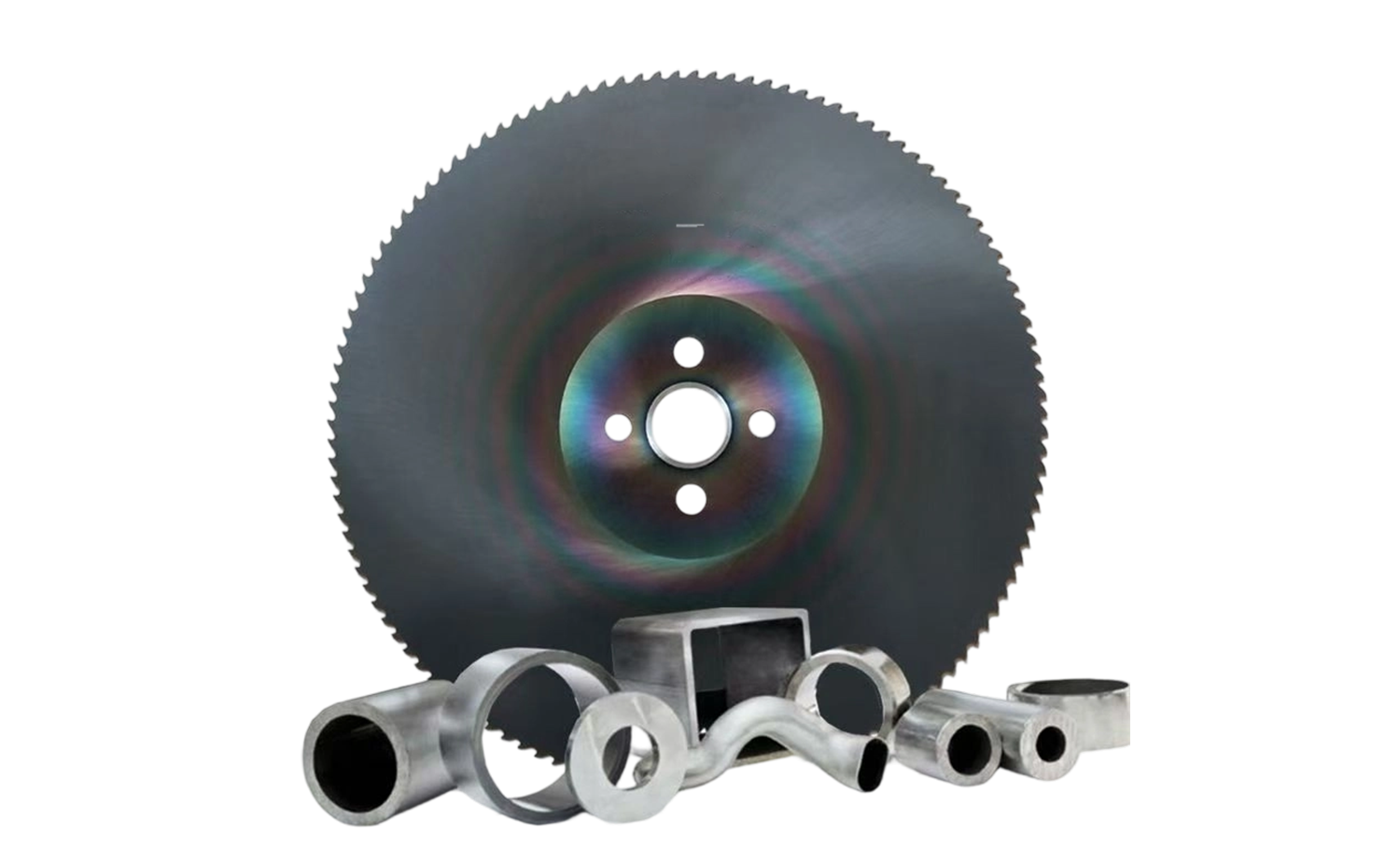
- High-Precision Tube Cutting Saw Blade
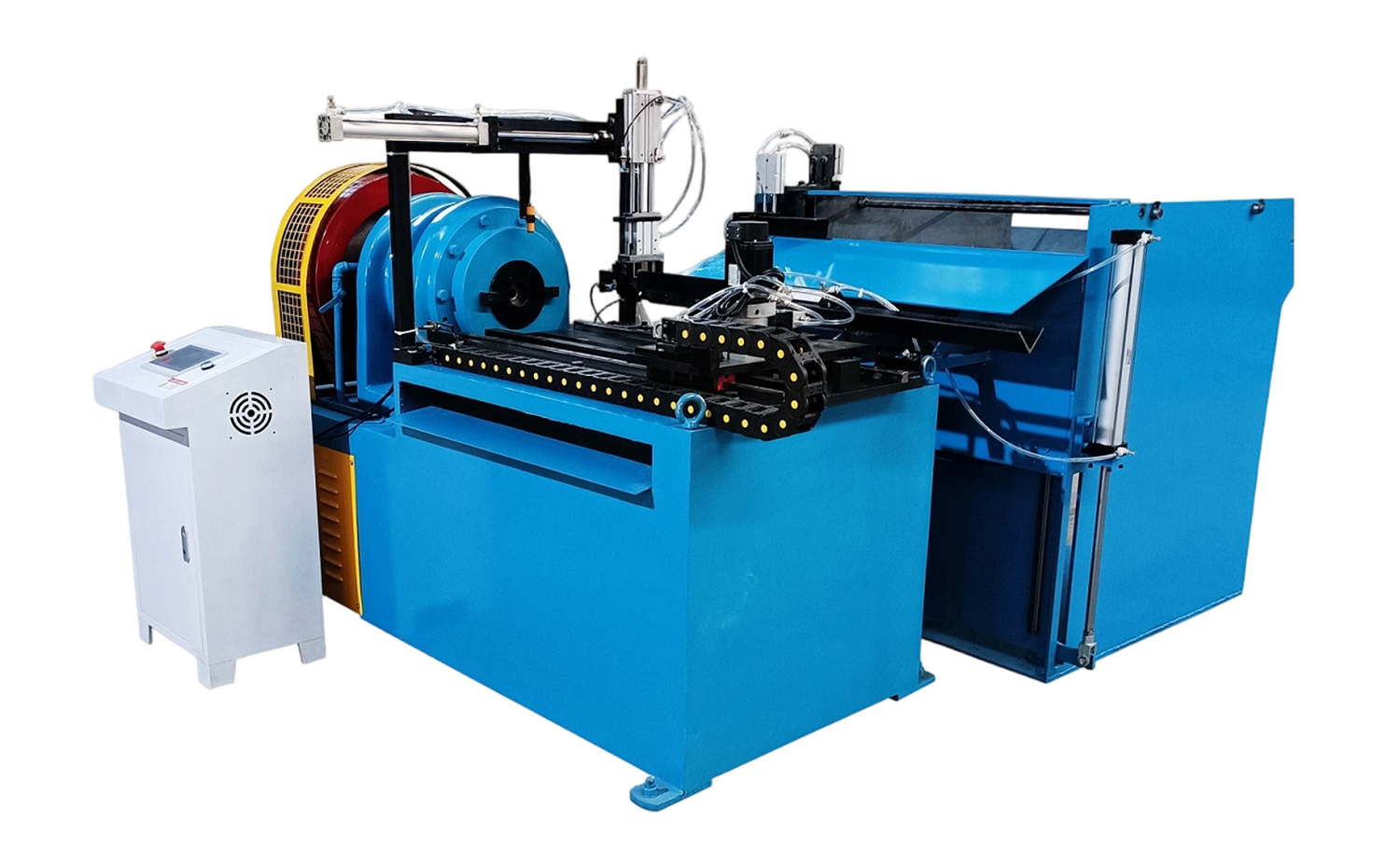
- High Precision Forming Fully Automatic Taper Tube Reducing Machine
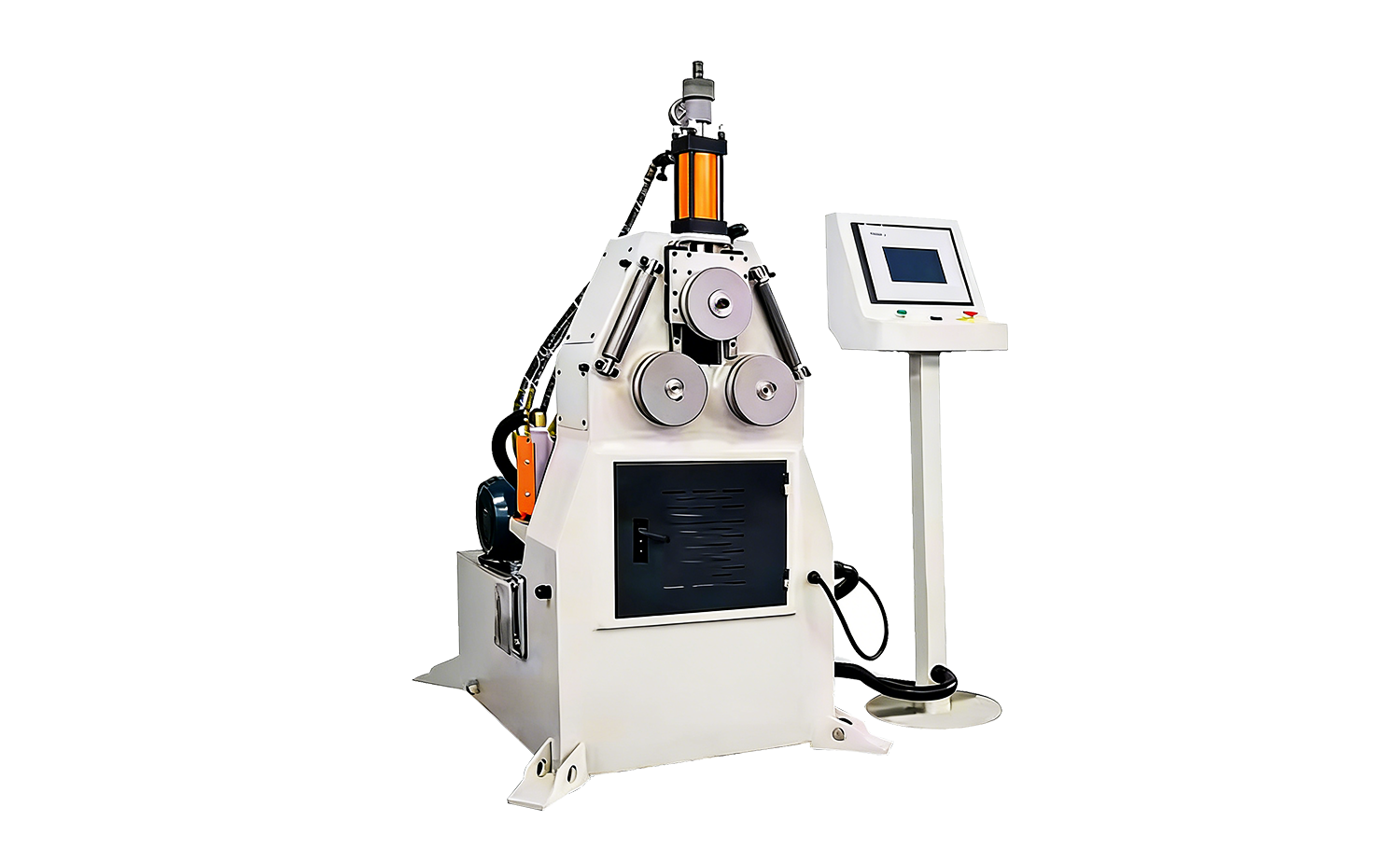
- High Precision CNC Tube Roll Bending Machine
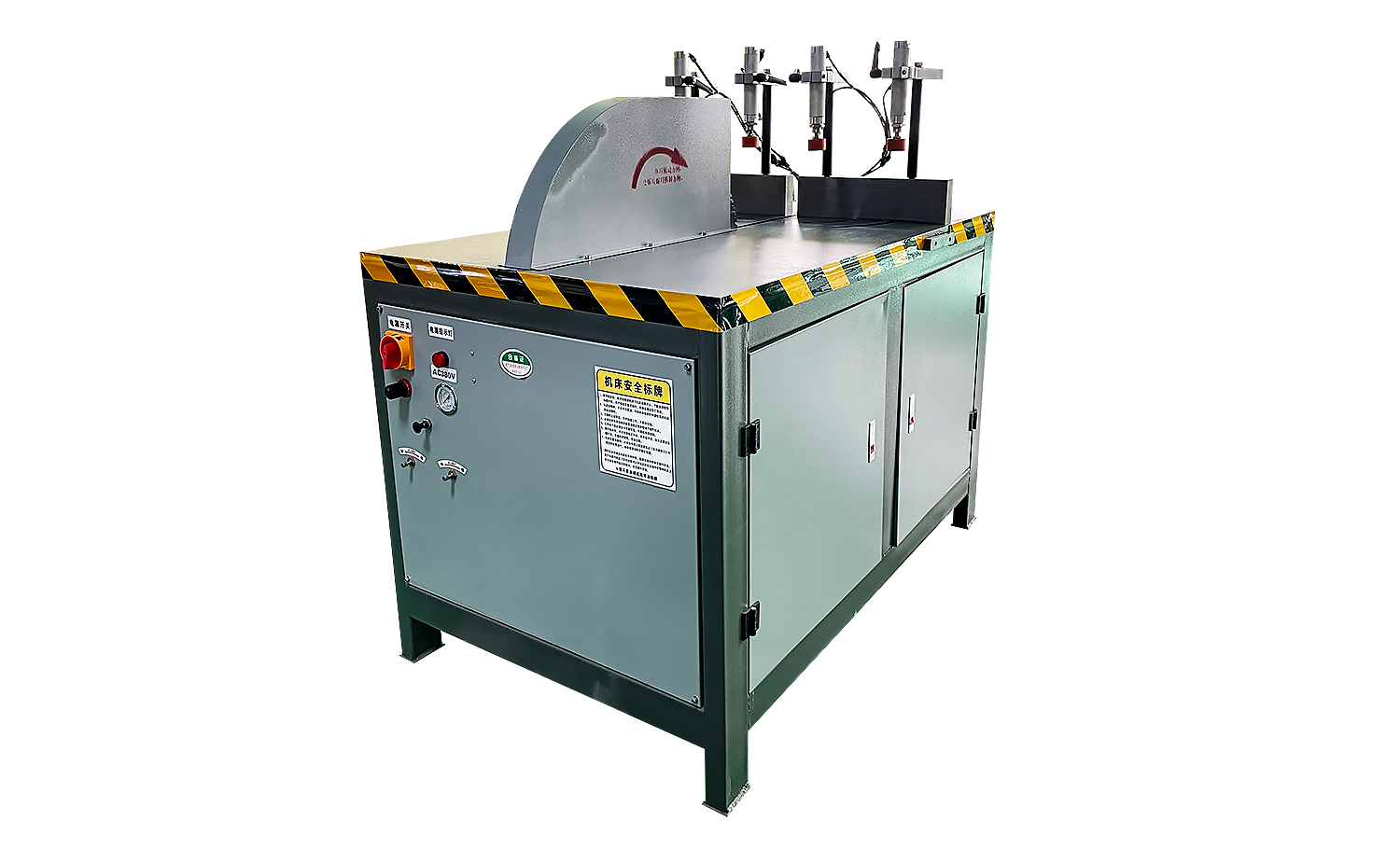
- ES550 Semi-Automatic Aluminum Cutting Machine for Big Profiles and Tubes
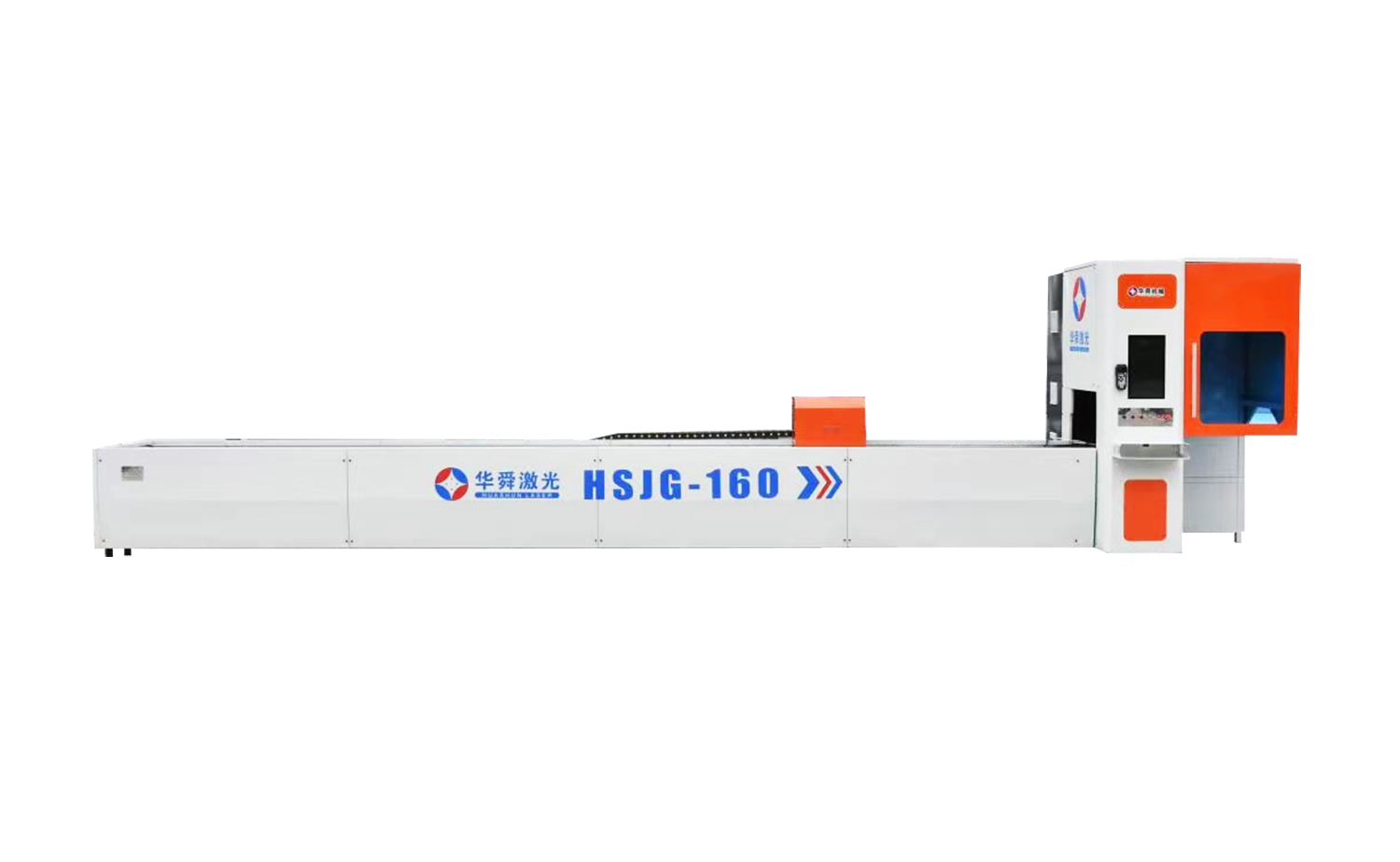
- MCJG160 High-Precision Laser Tube Cutting Machine
- CNC360 Series High Precision Fully Automatic Hydraulic Aluminum Cutting Machine
How Can High-Precision Pneumatic Tube Cutting Accelerate the Global Revolution of NEV Lightweighting and Manufacturing Efficiency?
Date:Jul 02, 2026
Content
- 1 Understanding Precision Pneumatic Tube Cutting
- 2 Why Lightweighting Matters for New Energy Vehicles
- 3 How Pneumatic Cutting Technology Works
- 4 Advantages of Pneumatic Cutting Over Alternative Methods
- 5 Applications of Precision Tube Cutting in NEV Manufacturing
- 6 Materials Commonly Processed With Pneumatic Tube Cutting
- 7 Precision and Tolerance Requirements in NEV Applications
- 8 Integrating Pneumatic Cutting Into Automated Production Lines
- 9 Maintaining Cutting Precision Over Time
- 10 Quality Control Practices for Precision Cut Tubing
- 11 Balancing Speed and Precision in High-Volume Production
- 12 Contribution to Overall Vehicle Lightweighting Strategy
- 13 Future Directions in Pneumatic Tube Cutting Technology
- 14 Practical Considerations for Manufacturers Adopting Precision Tube Cutting
- 15 Final Thoughts
The shift toward new energy vehicles has fundamentally changed how automotive engineers think about weight, structural design, and manufacturing precision. Every kilogram removed from a vehicle contributes directly to extended driving range, improved handling, and reduced energy consumption. Precision pneumatic tube cutting has emerged as a critical manufacturing process supporting this transition, enabling the fast, accurate, and repeatable production of lightweight tubular components used throughout NEV chassis, battery enclosures, thermal management systems, and structural frames.
Understanding Precision Pneumatic Tube Cutting
Precision pneumatic tube cutting is a manufacturing process that uses compressed air-driven cutting mechanisms to sever metal or composite tubing with tight dimensional tolerances and clean, burr-free edges. Unlike traditional mechanical saws or manual cutting tools, pneumatic cutting systems rely on controlled air pressure to actuate cutting blades or rotary cutting heads, delivering consistent force and speed across every cut. This consistency is essential in high-volume automotive manufacturing environments where thousands of tube segments must be produced with near-identical dimensions to support automated downstream assembly processes.
In the context of new energy vehicle production, tube cutting accuracy directly influences how well components fit into welded assemblies, battery tray frameworks, and cooling circuit systems. Even minor deviations in cut length or edge quality can create bottlenecks in automated welding cells or introduce stress concentrations that compromise structural integrity over the vehicle's service life.
High Repeatability Consistent tolerances across large batches
Clean Cut Edges Minimal burring reduces finishing steps
Fast Cycle Times Supports high-volume NEV production lines
Why Lightweighting Matters for New Energy Vehicles
Unlike internal combustion vehicles, new energy vehicles carry substantial battery mass as part of their core architecture. This added weight makes every other component's mass reduction opportunity more valuable, since lighter surrounding structures can help offset the weight penalty introduced by battery packs. Lightweighting strategies typically focus on replacing heavier steel components with aluminum, high-strength steel tubing, or composite materials, all of which benefit from precision cutting processes that preserve material properties while minimizing waste.
Reduced vehicle mass translates directly into improved energy efficiency, since less energy is required to accelerate, maintain speed, and climb grades. For battery electric vehicles, this efficiency gain often translates into extended driving range without requiring a larger, heavier battery pack, creating a positive feedback loop where lightweighting further supports overall vehicle efficiency goals.
Key connection: Every reduction in structural or supporting component weight allows engineers greater flexibility in battery sizing, suspension tuning, and overall vehicle packaging, making tube cutting precision a meaningful contributor to broader lightweighting strategy.
How Pneumatic Cutting Technology Works
Pneumatic tube cutting systems typically consist of a compressed air supply, a cylinder-actuated cutting mechanism, tube clamping fixtures, and precision positioning controls. When activated, compressed air drives a piston that forces a cutting blade or rotary wheel through the tube wall with consistent, repeatable force. Because the cutting force is generated pneumatically rather than through manual effort, operators achieve uniform results regardless of fatigue or variation between shifts.
Core Components of a Pneumatic Cutting System
Air Compressor and Supply Lines
The compressor generates and maintains the air pressure required to actuate the cutting mechanism. Stable pressure delivery is essential for maintaining consistent cut quality, since fluctuations can lead to incomplete cuts or excessive burring at the tube edge.
Cutting Head Assembly
The cutting head houses the blade or rotary cutting wheel and translates pneumatic force into mechanical cutting action. Depending on the tube material and wall thickness, cutting heads may be configured with different blade geometries to optimize edge finish and reduce tool wear.
Clamping and Positioning Fixtures
Precision fixtures hold the tube securely in place during the cutting cycle, preventing movement or vibration that could compromise cut accuracy. Automated positioning systems, often integrated with sensors or programmable logic controllers, ensure each tube segment is cut to the exact specified length.
Control and Feedback Systems
Modern pneumatic cutting equipment incorporates electronic controls that monitor cutting force, cycle timing, and blade condition. These systems can flag anomalies in real time, allowing operators to address issues before defective parts accumulate in the production line.
Advantages of Pneumatic Cutting Over Alternative Methods
Automotive manufacturers evaluating tube cutting technology typically compare pneumatic systems against mechanical saws, laser cutting, and abrasive cutting wheels. Each method carries distinct tradeoffs in speed, edge quality, tooling cost, and suitability for different tube materials.
| Cutting Method | Cut Speed | Edge Quality | Tooling Cost | Best Suited For |
|---|---|---|---|---|
| Pneumatic Cutting | Fast, consistent cycle times | Clean, low burring | Moderate | High-volume thin to medium wall tubing |
| Mechanical Saw | Slower, variable | Moderate, often requires deburring | Lower | Low to medium volume production |
| Laser Cutting | Fast for thin materials | Excellent, minimal burring | High | Complex profiles and thin-wall precision parts |
| Abrasive Wheel | Moderate | Rougher edges, more finishing needed | Lower | Heavy-duty tubing and rough cutting tasks |
While laser cutting offers excellent edge quality, the equipment and operational costs are typically higher, making it more suitable for specialized or low-volume applications. Pneumatic cutting strikes a practical balance between speed, cost, and edge quality, which is why it has become a preferred choice for high-volume NEV component production where thousands of tube segments must be processed daily.
Applications of Precision Tube Cutting in NEV Manufacturing
Tubular components appear throughout new energy vehicle architecture, from structural chassis elements to fluid and thermal management circuits. Precision cutting plays a role in nearly every one of these applications, ensuring components meet the dimensional accuracy required for automated assembly and long-term reliability.
Battery Tray and Enclosure Framing
Battery packs require rigid, lightweight framing to protect cells from impact and vibration while minimizing added mass. Aluminum tubing cut to precise lengths forms the structural framework of many battery tray designs, with tight tolerances ensuring proper alignment during welding or bonding operations.
Thermal Management and Cooling Circuits
Battery thermal management systems rely on networks of tubing to circulate coolant and regulate cell temperature. Precision cuts ensure proper fit at connection points, reducing the risk of leaks and supporting efficient thermal performance across the battery pack.
Structural Chassis and Subframe Components
Lightweight tubular structures increasingly replace traditional stamped steel components in subframes and structural reinforcements. Precision cutting allows engineers to design tube-based lattice structures that maintain strength while significantly reducing overall component weight.
Seat Frames and Interior Structural Supports
Interior components such as seat frames benefit from lightweight tubing that maintains occupant safety standards while contributing to overall vehicle mass reduction. Precision cutting ensures consistent frame dimensions across high-volume interior component production.
Exhaust Alternatives and Auxiliary Systems
While NEVs eliminate traditional exhaust systems, many still incorporate tubing for auxiliary systems such as HVAC circuits, brake lines, and structural bracing, all of which benefit from the dimensional accuracy pneumatic cutting provides.
Practical insight: Because battery enclosures and thermal circuits often involve dozens of individual tube segments per vehicle, even small improvements in cutting accuracy and cycle time can produce significant cumulative gains in production throughput.
Materials Commonly Processed With Pneumatic Tube Cutting
NEV lightweighting strategies rely on a range of materials, each with distinct cutting characteristics that influence equipment configuration and blade selection.
Aluminum Alloys
Aluminum tubing is widely used throughout NEV structures due to its favorable strength-to-weight ratio. Pneumatic cutting systems configured with appropriate blade geometry can process aluminum tubing quickly while maintaining clean edges, which is important since aluminum burrs can be more difficult to remove than those on steel.
High-Strength Steel
Certain structural applications still call for high-strength steel tubing, particularly in safety-critical areas such as crash structures. Pneumatic systems designed for higher force output can process these tougher materials while maintaining consistent cut quality.
Stainless Steel
Corrosion-resistant stainless steel tubing is often used in thermal management and fluid circuit applications. Precision cutting helps maintain tight tolerances at connection points, which is critical for preventing leaks in pressurized cooling systems.
Composite and Hybrid Tubing
Emerging applications increasingly explore composite or hybrid metal-composite tubing to achieve further weight reduction. Pneumatic cutting systems can be adapted with specialized blades to handle these materials without delaminating fibers or damaging composite layers.
Precision and Tolerance Requirements in NEV Applications
Dimensional accuracy in tube cutting is not simply a matter of aesthetics or convenience. In automated welding and assembly lines, robotic systems are programmed to position components based on expected dimensions. A tube segment cut even slightly outside tolerance can disrupt automated fixturing, leading to misaligned welds, assembly line stoppages, or structural weaknesses that may not become apparent until later in the vehicle's service life.
| Application Area | Typical Tolerance Sensitivity | Consequence of Inaccuracy |
|---|---|---|
| Battery Tray Framing | High | Misalignment affecting cell protection and enclosure sealing |
| Cooling Circuit Tubing | Very High | Leaks or restricted coolant flow affecting thermal performance |
| Structural Chassis Tubing | High | Reduced weld quality and potential structural weak points |
| Interior Seat Frames | Moderate | Fit and finish issues, potential comfort or safety implications |
Because these consequences can range from minor rework to significant safety implications, manufacturers place considerable emphasis on validating cutting equipment performance through regular calibration and quality inspection protocols.
Integrating Pneumatic Cutting Into Automated Production Lines
Modern NEV manufacturing facilities increasingly integrate pneumatic tube cutting systems directly into automated production lines, linking cutting stations with robotic handling systems, in-line inspection cameras, and downstream welding or forming equipment. This integration reduces manual handling, minimizes the risk of human error, and supports the high-volume throughput required for competitive vehicle production schedules.
- Raw tube feeding. Coiled or straight-length tubing is fed into the cutting station through automated feed mechanisms that maintain consistent material positioning.
- Length measurement and positioning. Sensors verify tube position before the cutting head engages, ensuring each segment matches the programmed length specification.
- Pneumatic cutting cycle. The cutting head executes the cut using controlled air pressure, producing a clean edge with minimal deformation.
- In-line quality inspection. Automated vision systems or manual spot checks verify cut length, squareness, and edge condition before parts proceed downstream.
- Downstream handling. Robotic arms or conveyor systems transfer finished tube segments to welding, bending, or assembly stations for further processing.
Benefits of Line Integration
- Reduced manual handling lowers the risk of contamination or damage to precision components
- Consistent cycle timing supports predictable production scheduling
- Real-time data collection enables proactive maintenance and quality tracking
- Reduced labor requirements allow skilled operators to focus on oversight rather than repetitive tasks
Maintaining Cutting Precision Over Time
Sustained precision requires ongoing attention to equipment condition. Cutting blades wear gradually with use, and even minor degradation can introduce burring or dimensional drift if not addressed through routine maintenance schedules. Facilities that maintain rigorous equipment care protocols typically experience fewer quality deviations and reduced downstream rework.
Blade Inspection and Replacement
Regular inspection schedules help identify blade wear before it affects cut quality. Establishing replacement intervals based on cycle counts rather than waiting for visible defects helps maintain consistent output quality across production runs.
Air Pressure Calibration
Since cutting force depends directly on air pressure, periodic calibration of compressor output and pressure regulators helps ensure the cutting mechanism performs within specified parameters across every shift and production run.
Fixture and Clamp Maintenance
Worn or misaligned clamping fixtures can introduce positioning errors even when the cutting mechanism itself is functioning correctly. Routine checks of fixture alignment help maintain overall system accuracy.
Maintenance consideration: Establishing a preventive maintenance schedule based on manufacturer recommendations and actual production volume helps balance equipment uptime with the cost of proactive part replacement.
Quality Control Practices for Precision Cut Tubing
Quality assurance in tube cutting extends beyond the cutting process itself, encompassing measurement verification, edge inspection, and documentation practices that support traceability throughout the manufacturing process.
Dimensional Verification
Automated measurement systems or manual calipers verify that cut length and squareness fall within specified tolerance ranges. Statistical process control methods are often applied to track measurement trends over time, allowing manufacturers to identify gradual drift before it results in out-of-tolerance parts.
Edge and Burr Inspection
Visual or automated inspection systems check for burring, deformation, or surface irregularities at the cut edge. Clean edges reduce the need for secondary deburring operations, supporting overall production efficiency.
Material Traceability
Many automotive quality standards require traceability of raw material batches through to finished components. Recording cutting parameters alongside material batch information supports compliance with these traceability requirements.
Balancing Speed and Precision in High-Volume Production
One of the central challenges in NEV tube cutting operations is balancing production speed with dimensional precision. Faster cycle times increase throughput but can introduce additional stress on cutting equipment, potentially accelerating blade wear or increasing the risk of dimensional variation. Manufacturers typically approach this balance through careful equipment selection, process parameter optimization, and ongoing monitoring of quality metrics against production targets.
Practical approach: Rather than pursuing maximum possible cutting speed, many manufacturers optimize for a sustainable cycle time that maintains consistent quality while meeting production volume targets, recognizing that rework and downstream quality issues often outweigh the benefits of marginal speed increases.
Contribution to Overall Vehicle Lightweighting Strategy
Precision tube cutting represents one piece of a broader lightweighting strategy that spans material selection, structural design, and manufacturing process optimization. When considered alongside other lightweighting approaches such as advanced high-strength steel stamping, composite panel integration, and topology-optimized casting designs, precision tube cutting contributes meaningfully to the cumulative weight reduction achieved across the vehicle platform.
| Lightweighting Strategy | Role of Precision Tube Cutting |
|---|---|
| Aluminum Structural Framing | Enables accurate tube segments for welded lattice structures |
| Battery Pack Optimization | Supports lightweight, precisely fitted enclosure framing |
| Thermal System Efficiency | Ensures tight-tolerance tubing for leak-free coolant circuits |
| Interior Component Reduction | Contributes to lighter seat and support frame assemblies |
By supporting consistent, high-quality tube segments across these applications, precision pneumatic cutting helps manufacturers realize the full benefit of lightweight material choices, since even the best material selection can be undermined by inconsistent or imprecise component fabrication.
Future Directions in Pneumatic Tube Cutting Technology
As NEV production volumes continue to grow, tube cutting technology continues to evolve toward greater automation, improved sensor integration, and adaptive process control. Emerging systems increasingly incorporate machine vision for real-time edge quality assessment, predictive maintenance algorithms based on cutting cycle data, and tighter integration with manufacturing execution systems that track component quality from raw material through final assembly.
Adaptive Process Control
Some newer pneumatic cutting systems incorporate adaptive control algorithms that adjust cutting parameters in real time based on sensor feedback, helping maintain consistent quality even as blade condition or material properties vary slightly across production batches.
Data-Driven Maintenance Planning
Connected cutting equipment increasingly feeds operational data into centralized manufacturing systems, allowing maintenance teams to shift from fixed-interval servicing toward condition-based maintenance strategies that reduce unnecessary downtime while still preventing quality degradation.
Expanded Material Compatibility
As lightweighting strategies continue to explore new material combinations, including hybrid metal-composite tubing, cutting equipment manufacturers continue refining blade designs and process parameters to accommodate these evolving material requirements without compromising cut quality or production speed.
Forward-looking note: Manufacturers investing in adaptable cutting platforms today position themselves to more easily incorporate future material innovations without requiring complete equipment overhauls.
Practical Considerations for Manufacturers Adopting Precision Tube Cutting
Organizations evaluating an investment in precision pneumatic tube cutting equipment should consider several practical factors beyond initial equipment cost, including compatibility with existing production line infrastructure, operator training requirements, and long-term maintenance support availability.
Assessing Production Volume Requirements
Equipment selection should align with anticipated production volumes. High-volume NEV manufacturing lines benefit from fully automated cutting stations integrated with robotic handling, while lower-volume or specialized component production may be adequately served by semi-automated systems with manual loading.
Evaluating Material Range Needs
Since different NEV components may require aluminum, steel, stainless steel, or composite tubing, manufacturers should evaluate whether a single cutting platform can accommodate the full range of materials used across their product line, or whether multiple specialized stations are more practical.
Planning for Scalability
As NEV production volumes are expected to continue growing, selecting equipment with scalability in mind, including modular expansion options and compatibility with future automation upgrades, can help avoid premature equipment replacement as production demands increase.
Operator Training and Safety
Pneumatic cutting systems, while generally safer than many manual cutting methods, still require proper operator training regarding air pressure systems, fixture handling, and emergency stop procedures. Establishing clear training protocols supports both safety and consistent equipment operation.
- Review current and projected production volume requirements across all tube-based components.
- Identify the full range of materials and wall thicknesses that need to be processed.
- Evaluate integration requirements with existing robotic handling and welding systems.
- Establish maintenance and calibration schedules aligned with production demands.
- Develop operator training programs covering both routine operation and safety procedures.
Precision pneumatic tube cutting continues to play a foundational role in supporting NEV lightweighting goals, delivering the accuracy, speed, and consistency required to manufacture the tubular components that make lighter, more efficient vehicles possible.
Final Thoughts
As the new energy vehicle industry continues to prioritize weight reduction alongside safety and performance, precision pneumatic tube cutting remains an essential manufacturing capability supporting these goals. By delivering consistent, high-quality cuts across a range of lightweight materials, this technology helps manufacturers translate material selection and structural design innovations into real-world production outcomes. Organizations that invest in precise, well maintained cutting equipment, supported by strong quality control practices and thoughtful production planning, position themselves to meet the growing demands of NEV manufacturing while contributing meaningfully to the broader industry shift toward lighter, more efficient vehicles.
Recommended Articles


Copyright © 2025 Huashun Technology All Rights Reserved.
Custom Precision Tube Forming Machine Manufacturers