
 English
 русский
 Español
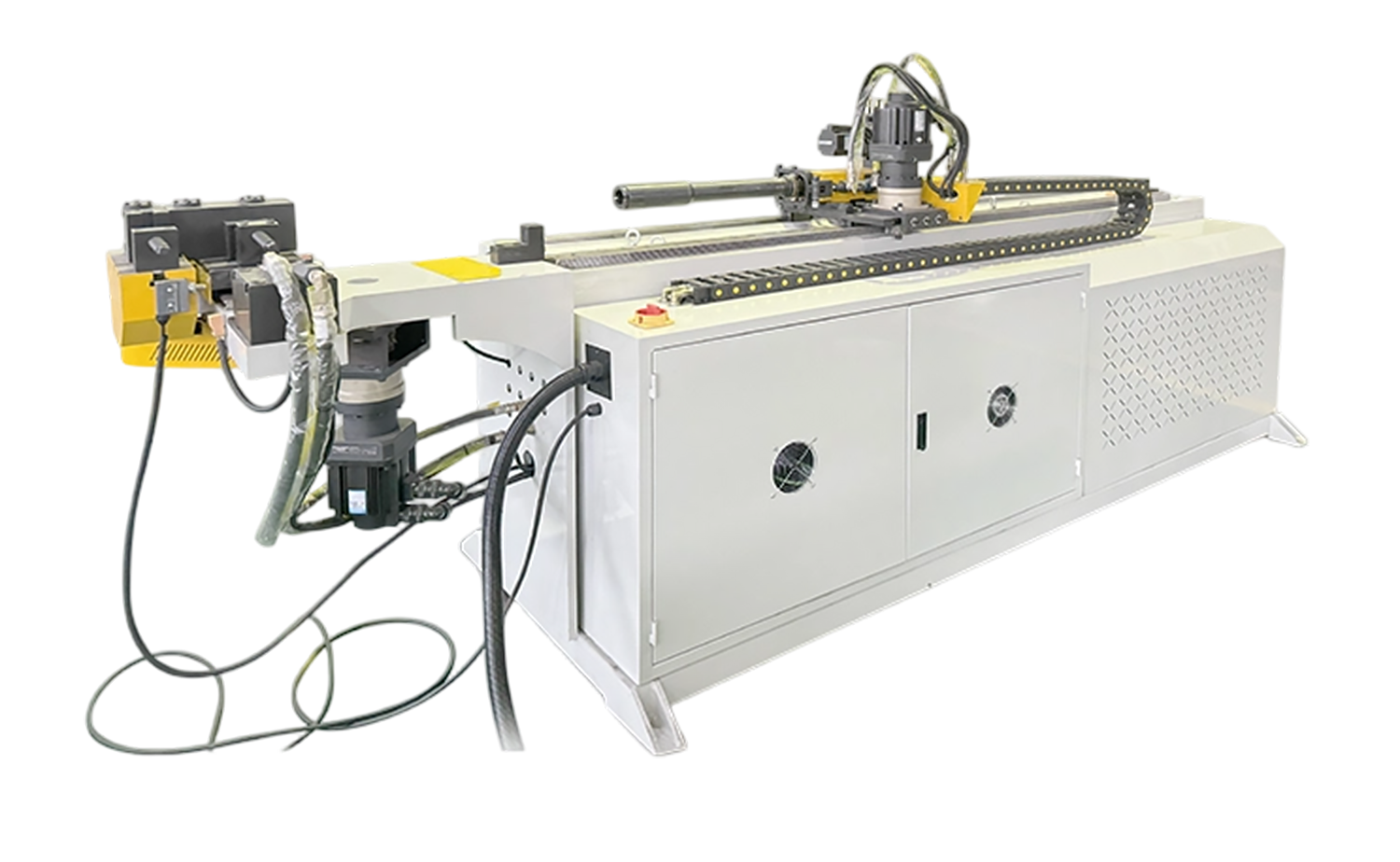
- SS Series Fully Automatic CNC Pipe Bending Machine
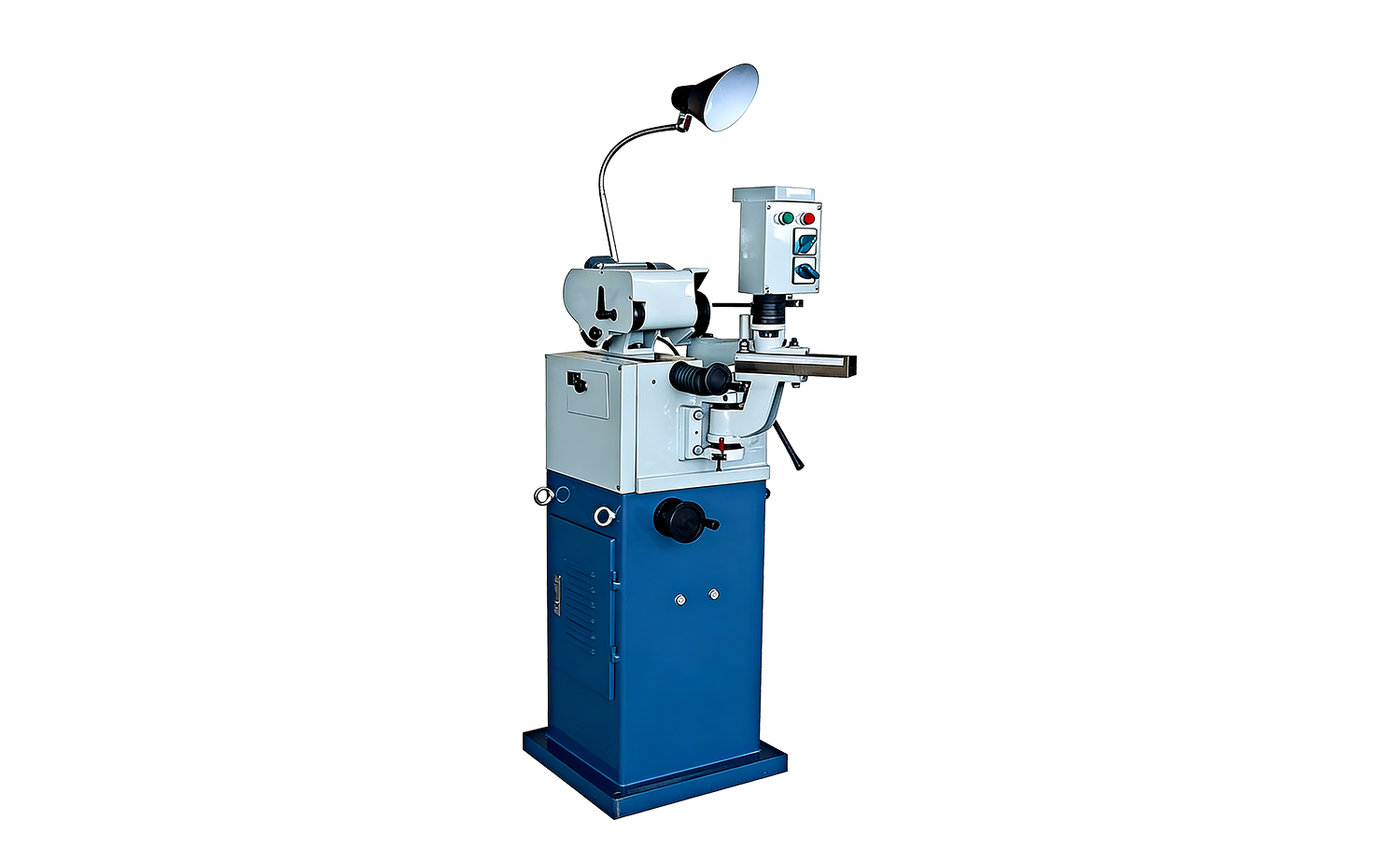
- SG450 Automatic Saw Blade Sharpening Machine
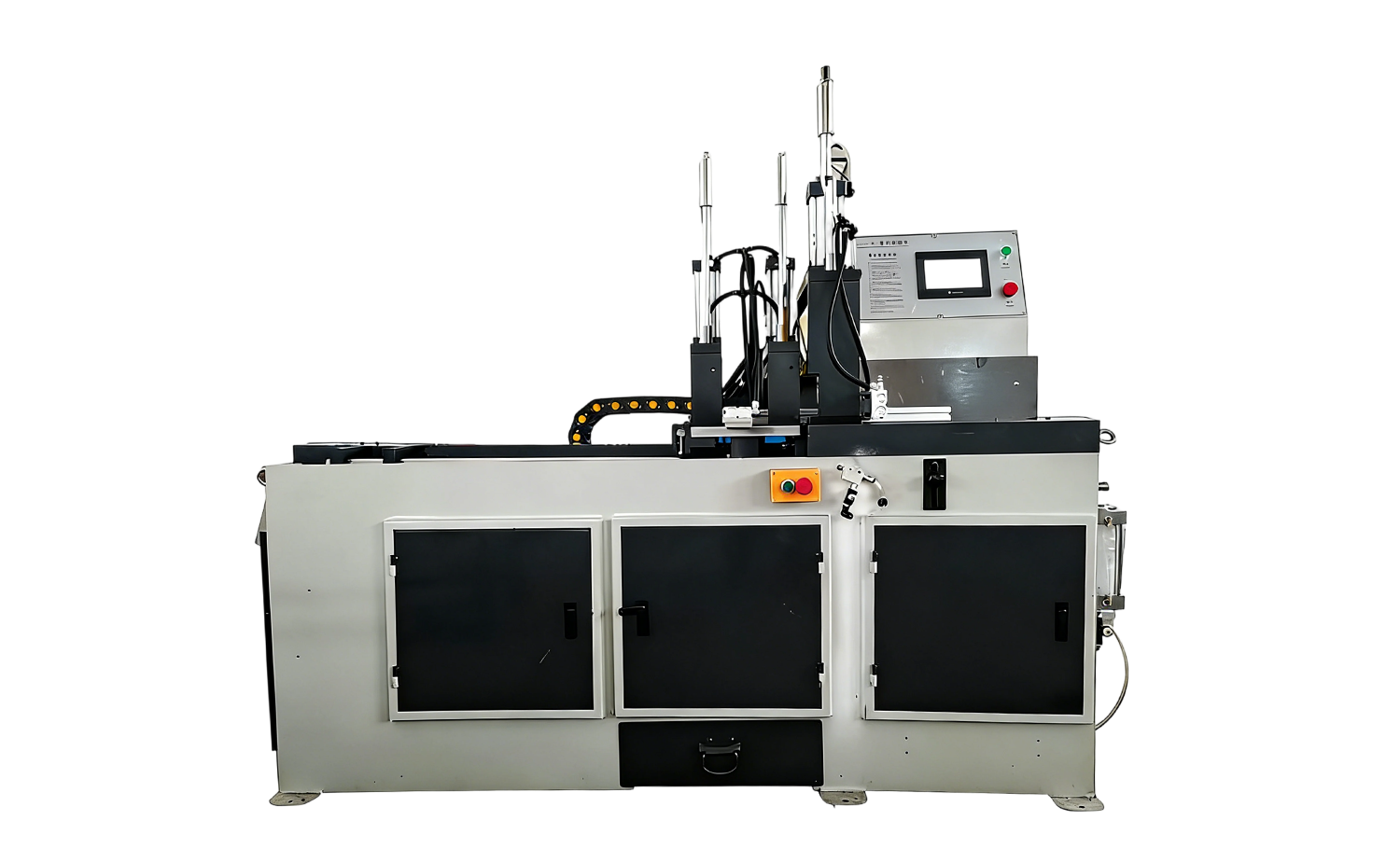
- CNC455 Series Fully Automatic Aluminum and Copper Cutting Machine
- ES550 Semi-Automatic Aluminum Cutting Machine for Big Profiles and Tubes
- ES500 Semi-Automatic Aluminum Tube Cutting Machine with Angle Cutting Function
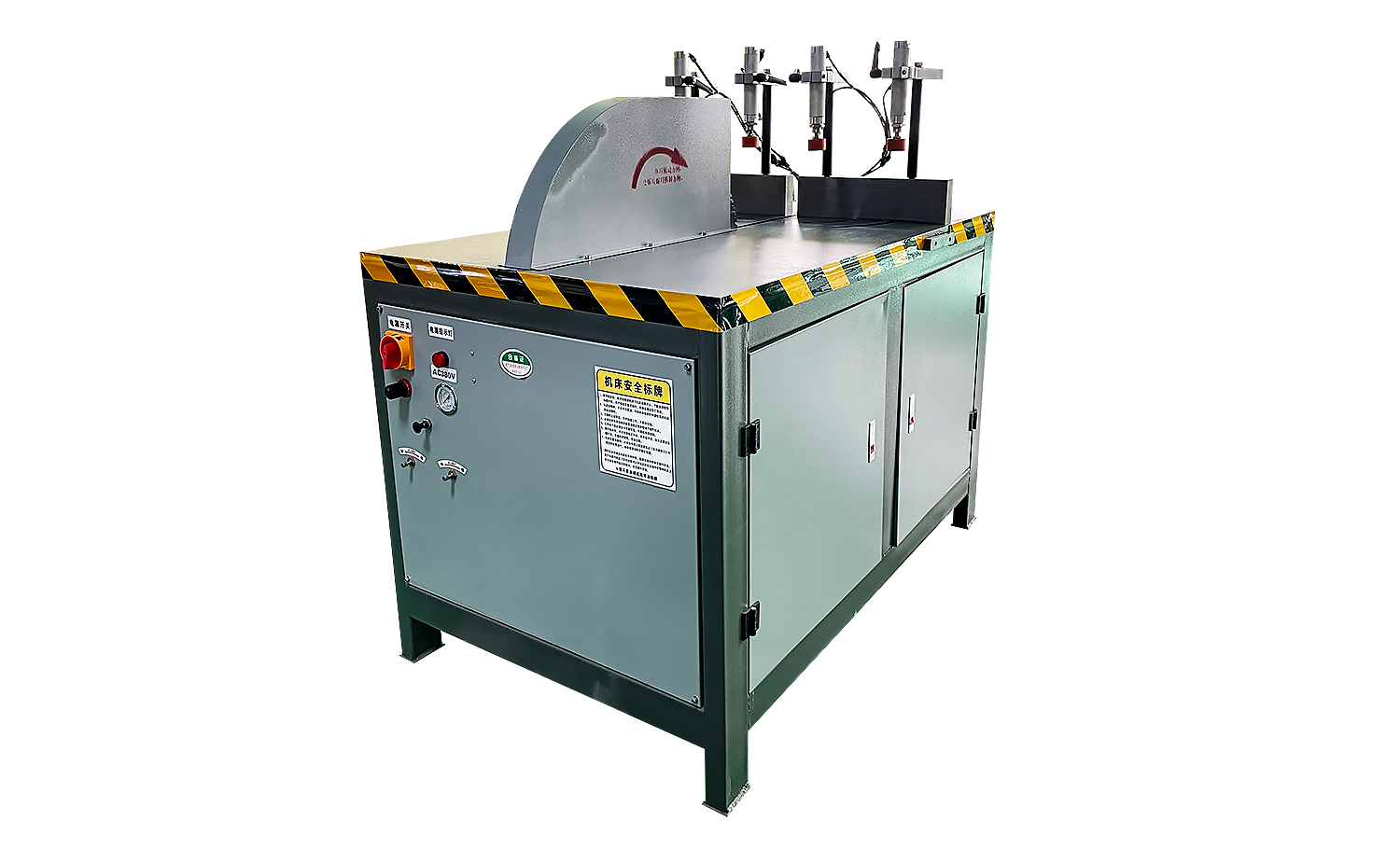
- ES455 Semi-Automatic Aluminum Cutting Machine with Angle Cutting Function
how to cut aluminium tube
Date:Jul 24, 2026
Content
- 1 The Cleanest Way to Cut Aluminium Tube Is With a Rotary Tube Cutter or Cold Saw
- 2 Common Tools Used to Cut Aluminium Tube and Their Trade-Offs
- 3 Manual, Powered, and CNC Cutting Equipment Compared
- 4 Why Aluminium Behaves Differently Than Steel Under the Blade
- 5 Avoiding Burrs, Ovality, and Wall Collapse
- 6 Industries Where Precision Aluminium Tube Cutting Matters Most
- 7 Choosing the Right Approach for Your Cutting Job
The Cleanest Way to Cut Aluminium Tube Is With a Rotary Tube Cutter or Cold Saw
For a square, burr-free cut with minimal deformation, a rotary tube cutter or a cold saw fitted with a fine-tooth carbide blade produces the best results on aluminium tube. Aluminium is soft and gummy compared to steel, so it tends to smear, drag, and pinch closed rather than shear cleanly if the wrong tool or feed rate is used. A rotary cutter that scores the tube gradually across several light passes, or a cold saw running at a slower blade speed with plenty of teeth engaged, keeps heat buildup low and prevents the cut edge from curling inward.
For thin-walled tube, particularly anything under 1.5mm wall thickness, a hand-held tube cutter with a sharp scoring wheel and light clamping pressure usually outperforms a hacksaw or grinder, since those tools generate localized heat and vibration that can distort the round profile before the cut is even finished.
Common Tools Used to Cut Aluminium Tube and Their Trade-Offs
Several tools can cut aluminium tube, but each comes with a different balance of speed, precision, and edge quality.
Tube and Pipe Cutters
A rotary cutter with a hardened scoring wheel rolls around the tube while a feed screw tightens gradually, slicing through the wall in a spiral motion. This method leaves a small internal burr that needs deburring but keeps the tube perfectly round, making it the standard choice for HVAC and refrigeration lines.
Cold Saws and Circular Saws
Cold saws use a slow-turning, fine-toothed blade designed to shear rather than grind through metal, producing a flat, near-finished cut face with little heat buildup. This is the preferred approach for larger diameter tube or high-volume production work where consistent length and squareness matter.
Bandsaws
A bandsaw fitted with a blade rated for non-ferrous metals, typically 10 to 14 teeth per inch, offers a good balance of speed and control for shop use, though it usually leaves a rougher edge than a cold saw and benefits from a support fixture to prevent the tube from flexing during the cut.
Abrasive Cut-Off Wheels
Abrasive wheels cut quickly but generate significant heat and often clog with soft aluminium, which can discolor the edge and leave a rougher, less accurate cut. They are best reserved for rough trimming rather than finished parts.
Manual, Powered, and CNC Cutting Equipment Compared
The right level of equipment depends on tube diameter, wall thickness, and how many cuts need to be made to the same length.
| Equipment Type | Typical Diameter Range | Common Use |
|---|---|---|
| Hand-held tube cutter | Up to 35mm | HVAC lines, field repairs |
| Benchtop cold saw | 10mm to 100mm | Workshop fabrication, batch cutting |
| CNC pipe cutting machine | 6mm to 220mm | Automotive, aerospace, high-volume production |
CNC-controlled cutting equipment can hold repeat length tolerances within about 0.1mm across hundreds of parts, which matters when downstream operations such as end forming or bending rely on a consistent starting length to line up tooling correctly.
Why Aluminium Behaves Differently Than Steel Under the Blade
Aluminium's low melting point and softness mean it responds to cutting friction very differently than steel or stainless tube. Heat generated at the cutting edge can cause the material to gum up on the blade or scoring wheel rather than chip away cleanly, a problem often called loading. This is why blades and cutters designed specifically for non-ferrous metals use a different tooth geometry, wider gullets to clear chips, and sometimes a coating that resists aluminium adhesion.
Wall thickness also plays a role in how the tube responds to clamping force. Thin-walled aluminium tube, especially anodized or coated stock used in architectural and furniture applications, can oval or dent under excessive clamp pressure before the cut is even made, so cutting fixtures for this material typically use wider, softer-faced clamps to spread the holding force across a larger surface area.
Avoiding Burrs, Ovality, and Wall Collapse
Three problems account for most poor-quality aluminium tube cuts, and each has a specific cause and fix.
- Internal burrs: caused by a dull scoring wheel or excessive feed pressure; resolved with a deburring tool or a light chamfer pass after cutting.
- Ovality at the cut end: caused by over-tightened clamps or unsupported tube overhang; resolved with a wider support roller and lighter clamp pressure.
- Wall collapse near the cut: caused by using a blade meant for solid bar stock rather than tube, which pushes rather than shears through the wall; resolved by switching to a tube-specific blade or cutter designed for hollow sections.
Industries Where Precision Aluminium Tube Cutting Matters Most
Clean, accurate cutting is a foundational step before bending, end forming, or welding, and its importance shows up across a wide range of manufacturing sectors.
- Automotive and NEV manufacturing: battery cooling circuits and thermal management manifolds where flared or beaded ends depend on a square starting cut.
- HVAC and refrigeration: coil and line-set tubing where a clean bore is needed for proper refrigerant flow and brazing.
- Aerospace: lightweight structural and hydraulic tubing requiring tight length tolerance and burr-free edges before further machining.
- Furniture and architectural fabrication: anodized aluminium framing where visible cut edges must remain smooth and free of scratches.
Choosing the Right Approach for Your Cutting Job
For occasional cuts on small-diameter tube, a hand-held rotary cutter remains the simplest and most affordable option, requiring no power source and producing a round, burr-manageable edge in seconds. Once diameters grow past roughly 40mm, wall thickness increases, or a job calls for dozens of identical lengths, a benchtop cold saw or CNC cutting machine becomes more practical, since it reduces the labor time per cut and keeps every piece within a tight length tolerance.
Facilities producing certified components for automotive or aerospace customers typically run cutting equipment built to recognized quality standards, such as CE safety compliance and ISO 9001 process controls, since consistent cut quality directly affects how well the tube performs in later bending and end-forming operations.
Recommended Articles


Copyright © 2025 Huashun Technology All Rights Reserved.
Custom Precision Tube Forming Machine Manufacturers