
 English
 русский
 Español
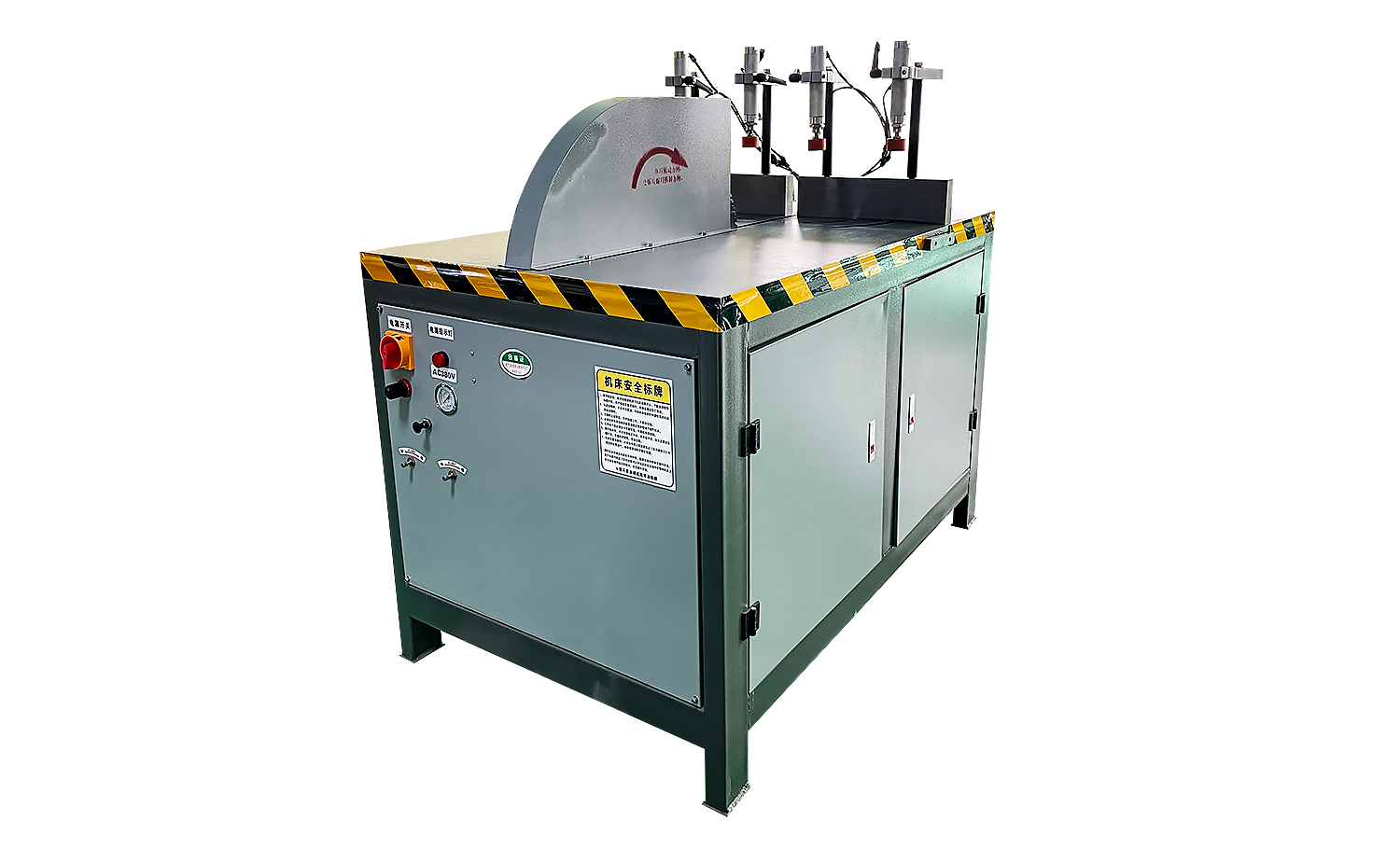
- ES550 Semi-Automatic Aluminum Cutting Machine for Big Profiles and Tubes
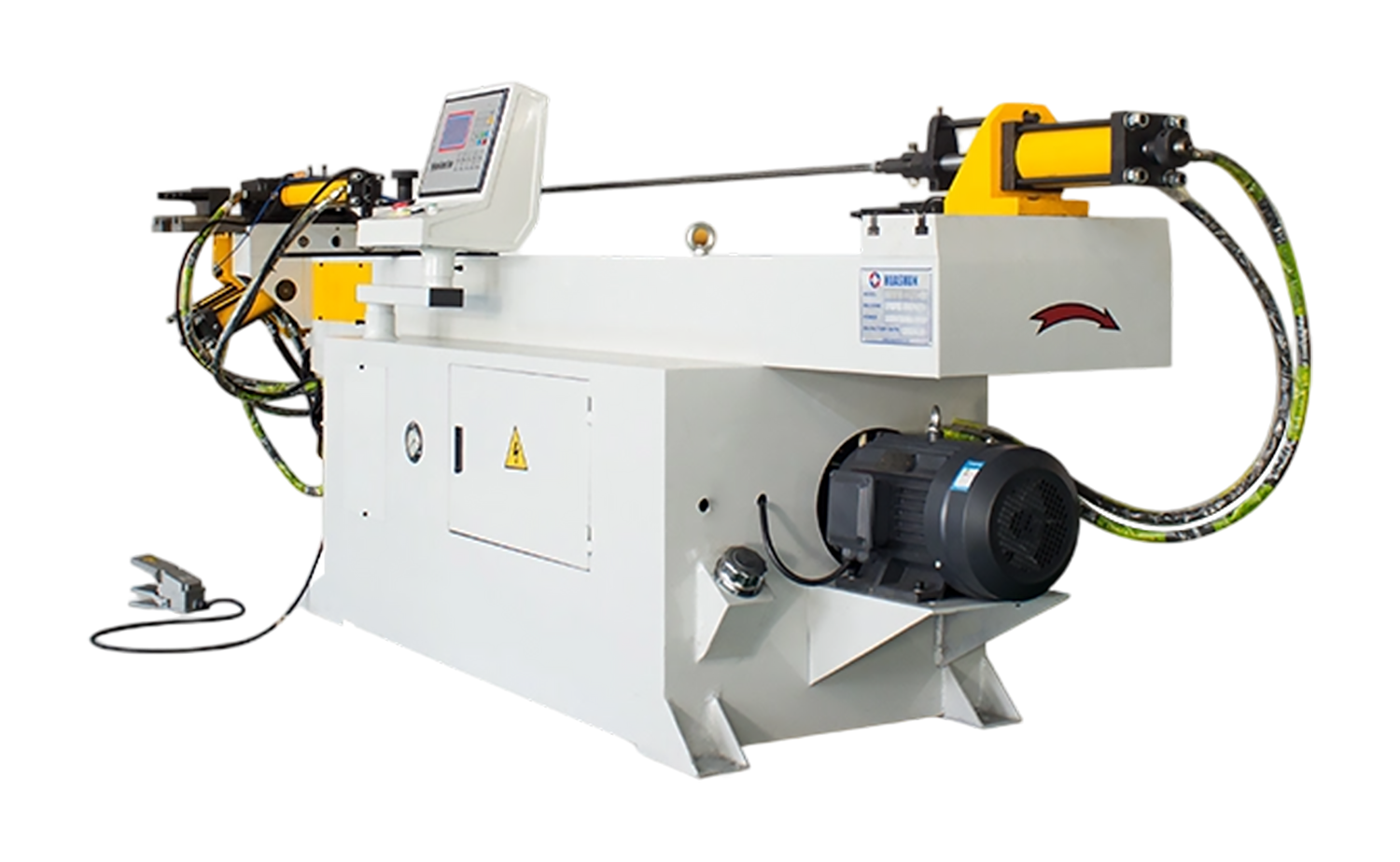
- NC S Series Mandrel Hydraulic Tube Bender with Easy-Program Setting
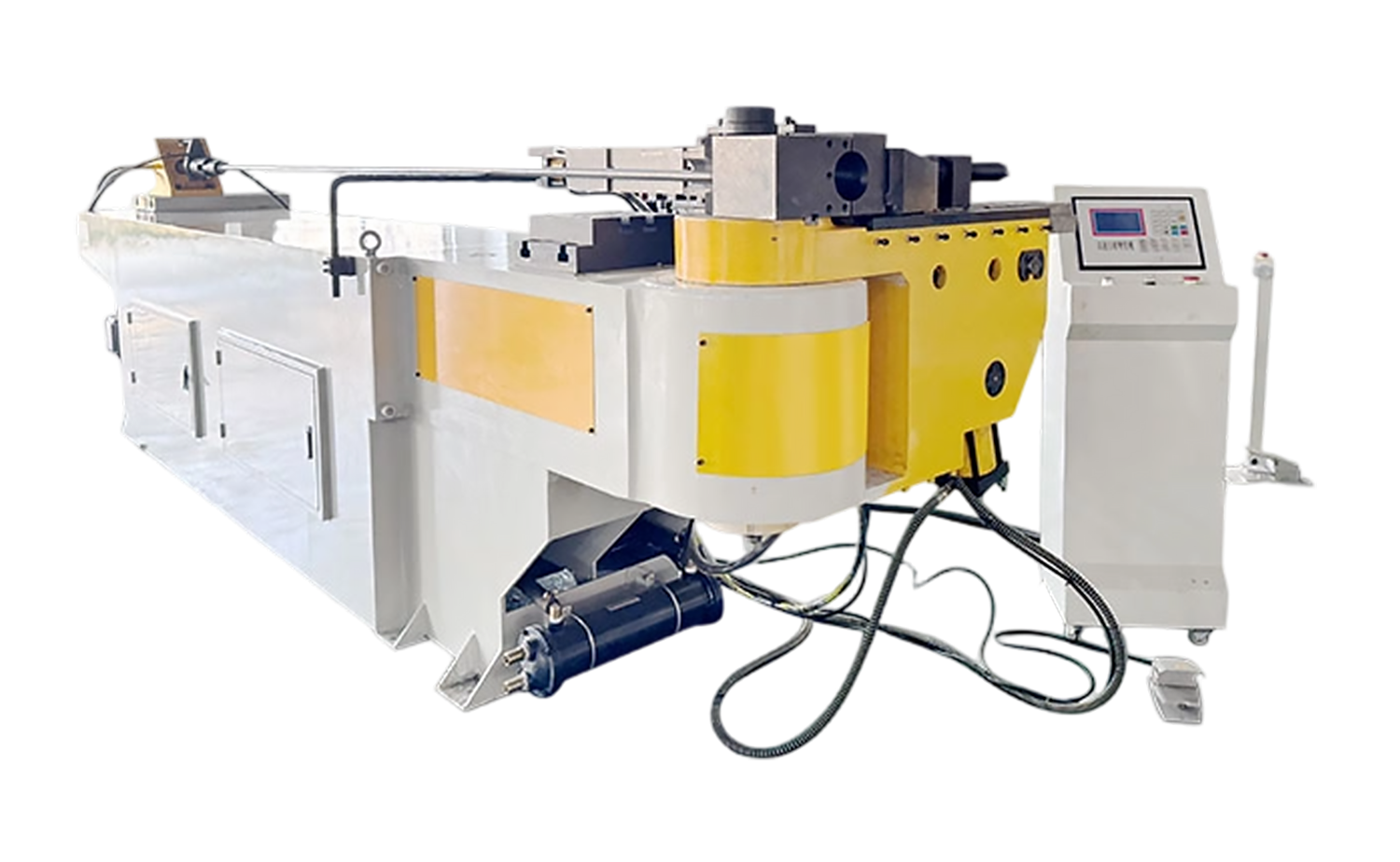
- NC M Series Hydraulic Tube Bending Machine with Mandrel Control
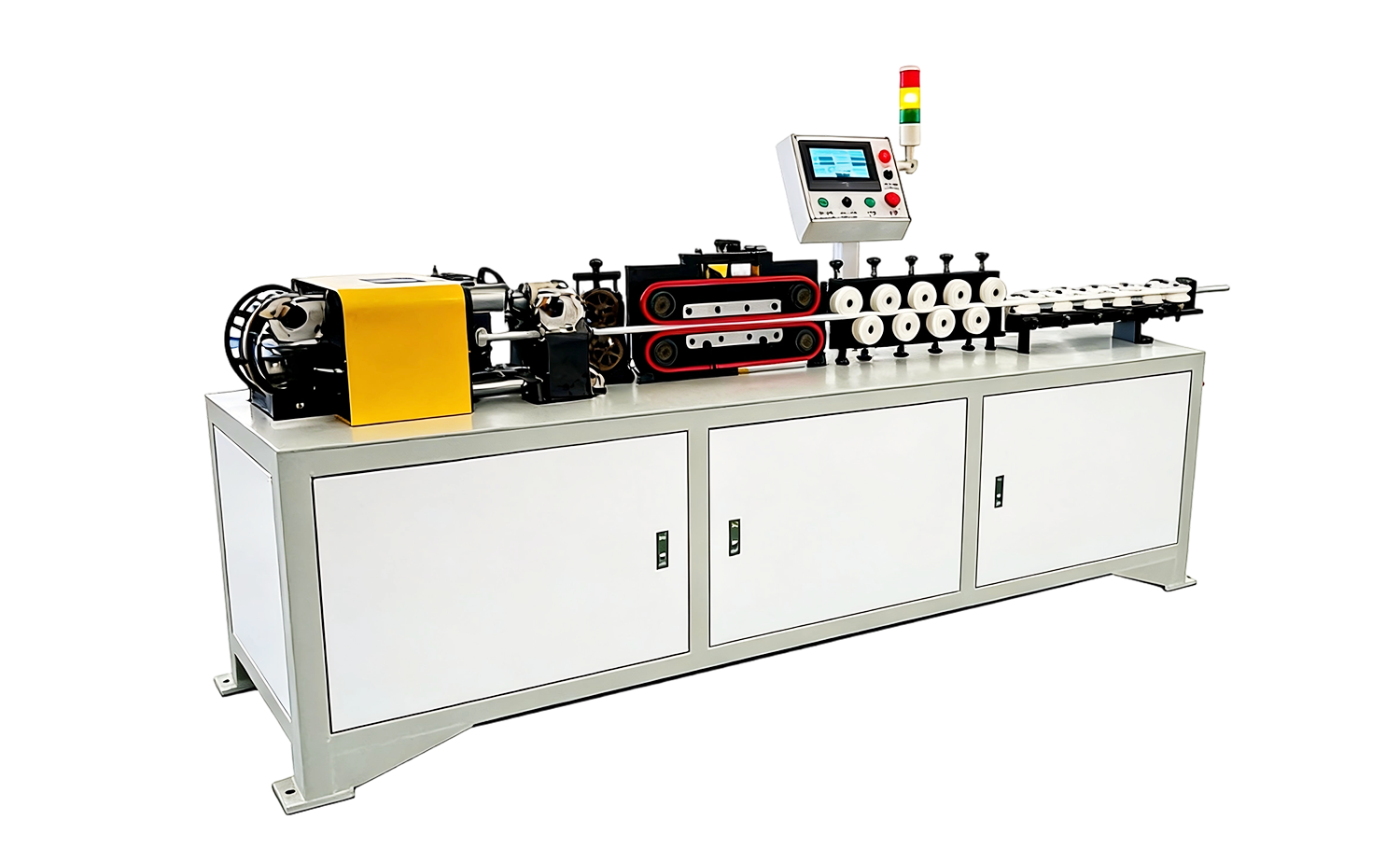
- SC-30 Chipless Tube Straightening and Cutting Machine
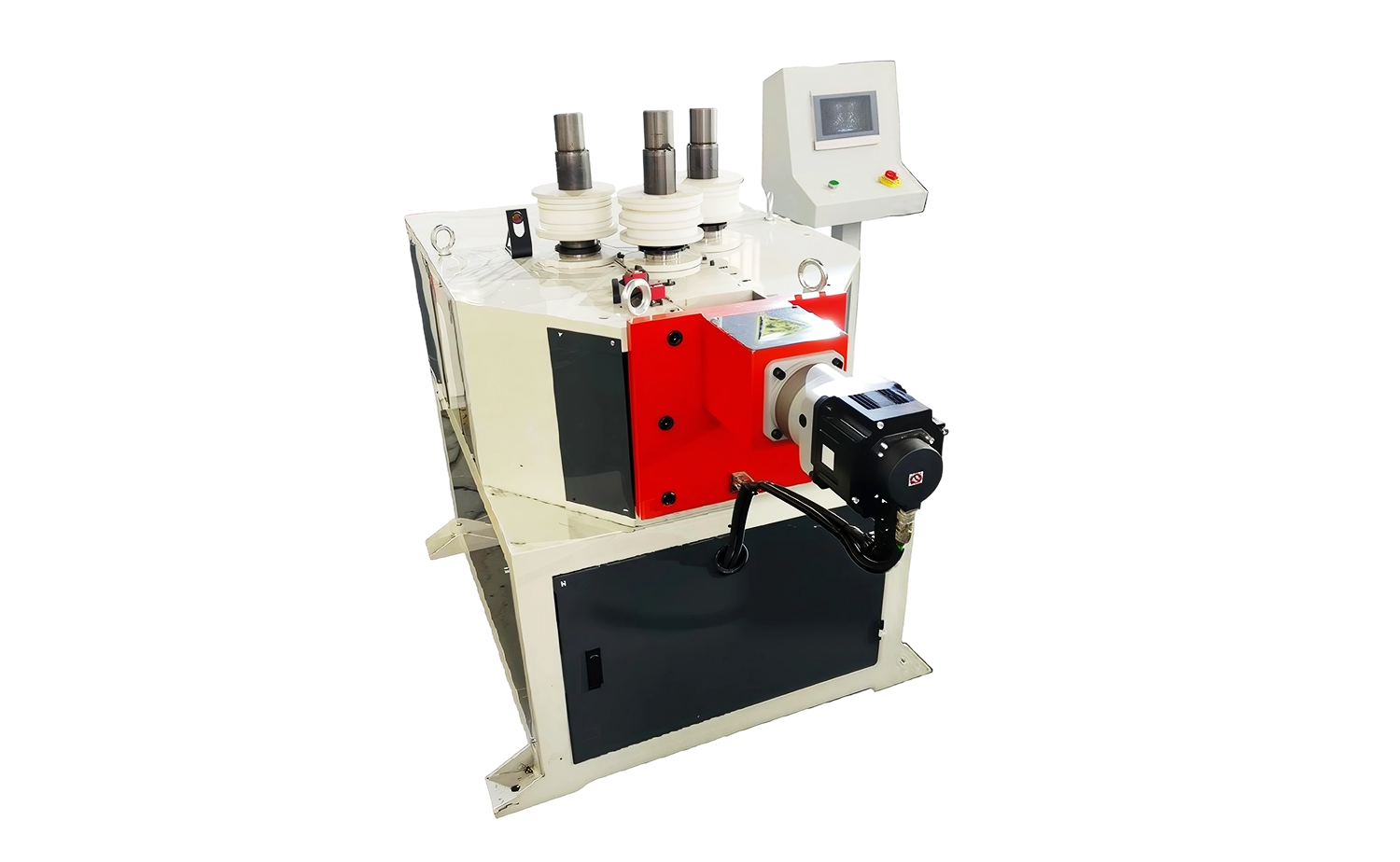
- CNC Series Tube Roll Bending Machine for Metal Profiles
- DEF50PVS Servo Tube Chamfering Machine for Short Metal and PVC Tubes
What are the working principles and application areas of industrial riveting machines?
Date:Aug 14, 2026
Content
What An Industrial Riveting Machine Does
An industrial riveting machine forms a mechanical joint by deforming the shank or head of a rivet under controlled force, permanently locking two or more layers of material together without welding or adhesive bonding. The process relies on either radial orbital motion, straight axial pressure, or a combination of both, depending on the rivet type and the material being joined. Unlike manual riveting with a hammer or hand tool, machine-driven riveting applies consistent force and geometry across every cycle, which affects joint strength and appearance in ways that are difficult to replicate by hand across a production run.
Riveting Methods And Drive Systems
Orbital riveting rolls a forming die around the rivet shank in a small circular path, gradually reshaping the head with lower peak force than a straight-strike method, which reduces stress on surrounding material and thin-walled components. Radial riveting applies a similar rolling action but through a fixed set of forming jaws, generally suited to symmetrical rivet heads where consistent shape across the finished joint matters. Straight-press riveting, by comparison, applies force along a single axis and is typically used where cycle speed is prioritized over the gentler forming action of orbital or radial methods.
Drive systems vary between pneumatic, hydraulic, and servo-electric configurations. Pneumatic units tend to suit lighter-duty applications where cycle speed matters more than precise force control, while hydraulic systems generate higher forming force for larger rivets or thicker material stacks. Servo-electric drive systems allow force, speed, and forming position to be programmed and repeated precisely across a production batch, which supports applications where joint consistency needs to be documented for quality records.
Tooling Materials And Machine Construction
Forming dies and tooling are generally machined from hardened tool steel, since the repeated contact and pressure involved in shaping a rivet head would wear softer material quickly and affect joint consistency over time. The machine frame itself is typically built from cast iron or welded steel construction to minimize deflection under load, since even small amounts of frame flex during the forming stroke can translate into inconsistent rivet head geometry across a production run.
Equipment intended for industrial production commonly carries CE marking and is manufactured under an ISO9001 quality management framework, reflecting compliance with recognized international standards for design safety and manufacturing process control. These certifications are generally referenced during equipment procurement for industries where documented quality systems are part of supplier qualification requirements.
Core Riveting Machine Features
- Hardened tool steel dies for consistent rivet head forming
- Pneumatic, hydraulic, or servo-electric drive options
- Programmable force and stroke control on servo-driven units
- Rigid cast iron or welded steel frame construction
- CE marking and ISO9001-aligned manufacturing standards
Process Parameters And Joint Quality
| Parameter | Typical Range | Relevance |
|---|---|---|
| Forming Force | 2 to 50 kN | Determines rivet diameter and material thickness capacity |
| Cycle Time | 0.5 to 3 seconds | Affects overall production throughput |
| Rivet Diameter Range | 2 to 25 mm | Guides tooling and die selection |
Applications Across Manufacturing Sectors
Aerospace manufacturing uses riveted joints extensively for fuselage panels and structural assemblies, where joint consistency and traceable process data support the documentation requirements common to that industry. Automotive production applies similar equipment for body panel assembly, bracket attachment, and interior trim components, often integrated into a broader assembly line where cycle time directly affects overall output. Furniture manufacturing relies on smaller-scale riveting machines for joining metal frame components and hardware fittings, where a clean, consistent head appearance matters for the finished product.
HVAC equipment manufacturing uses riveting for ductwork assembly and sheet metal enclosures, where joints need to remain airtight and structurally sound across a wide temperature range. Shipbuilding applications involve heavier-duty riveting for structural components, though welding has become more common in many hull applications, riveted joints remain relevant for certain fittings and secondary structures where disassembly or inspection access is a design consideration.
Maintenance And Tooling Wear
Forming dies experience gradual wear from repeated contact with rivet material, and a worn die typically shows up as inconsistent head shape or reduced joint strength before it becomes visibly damaged. Scheduling die inspection based on cycle count rather than calendar time tends to catch this wear pattern earlier, since production volume varies between applications and a fixed time-based schedule may not align with actual tooling stress.
Hydraulic systems require periodic fluid checks and seal inspection, since a slow hydraulic leak can reduce forming force gradually without an obvious external sign until joint quality begins to drift. Servo-electric systems generally require less routine mechanical maintenance but benefit from periodic calibration checks to confirm that programmed force and position settings still match actual machine output over time.
Factors To Consider When Selecting Equipment
Matching machine forming force to the rivet diameter and material thickness range used in production affects both joint quality and equipment longevity, since running a machine consistently near its upper force limit tends to accelerate tooling wear. Cycle time requirements relative to production volume also influence whether a pneumatic, hydraulic, or servo-electric drive system fits a given line, particularly when the equipment needs to integrate with existing automation or conveyor systems.
Industries with documentation requirements, such as aerospace or automotive supply chains, often need process data logging capability built into the control system, which is generally available on servo-driven equipment but less common on simpler pneumatic units. Checking that a machine's certification documentation, including CE marking and quality management system alignment, matches the requirements of the intended industry helps avoid compliance gaps during supplier audits.
Recommended Articles


Copyright © 2025 Huashun Technology All Rights Reserved.
Custom Precision Tube Forming Machine Manufacturers