
 English
 русский
 Español
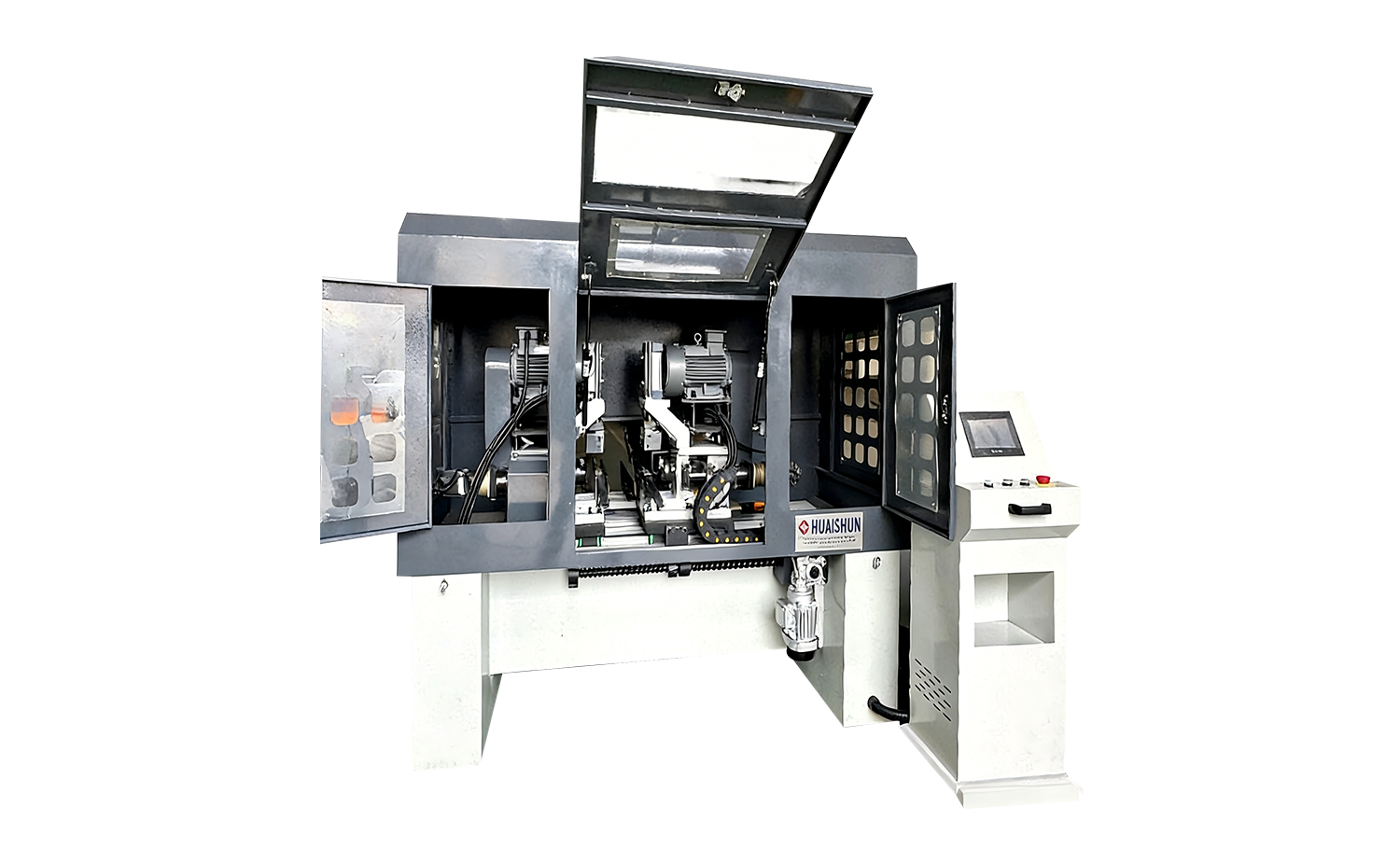
- DEF PV Series Double Head Hydraulic Tube Chamfering Machine
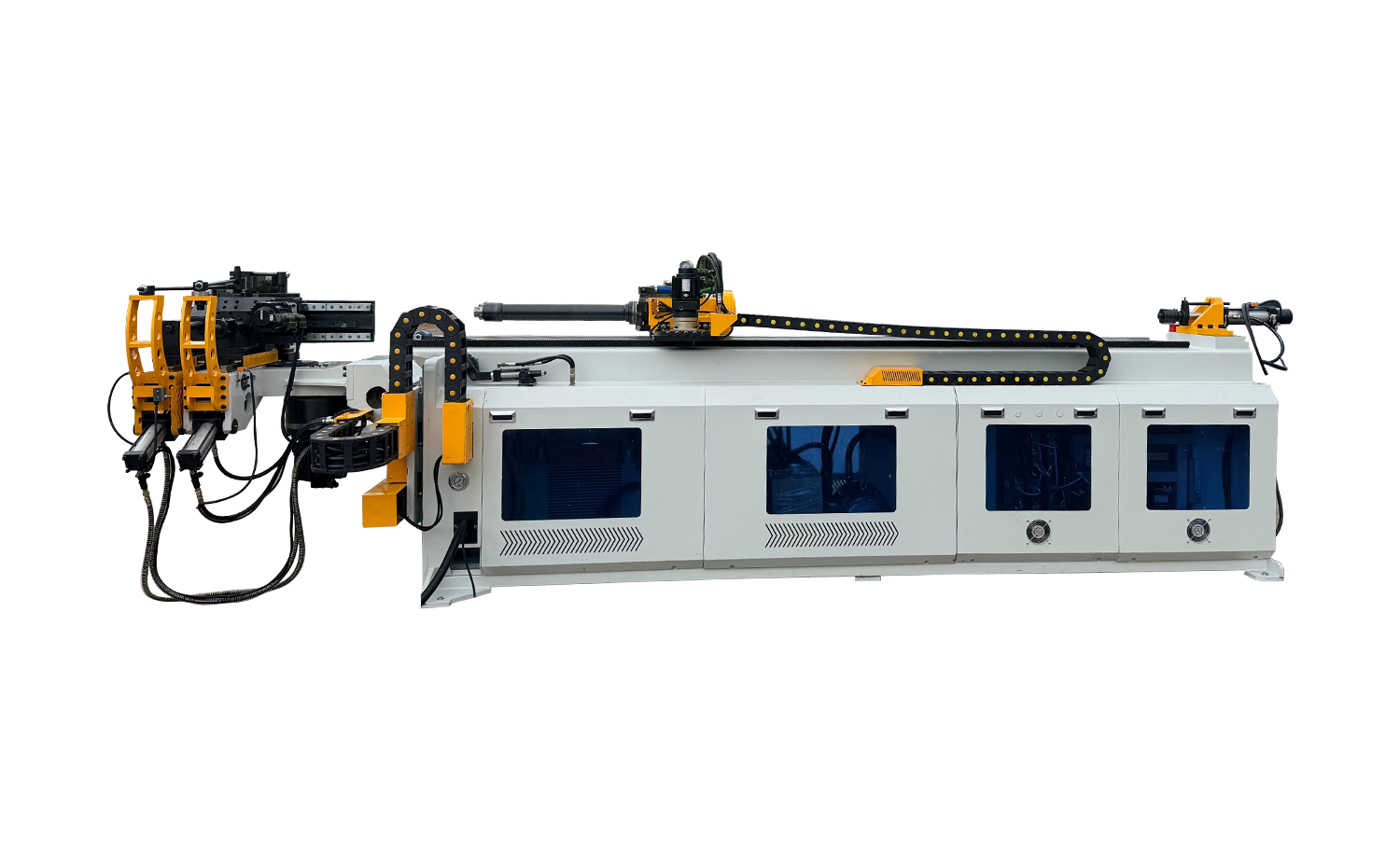
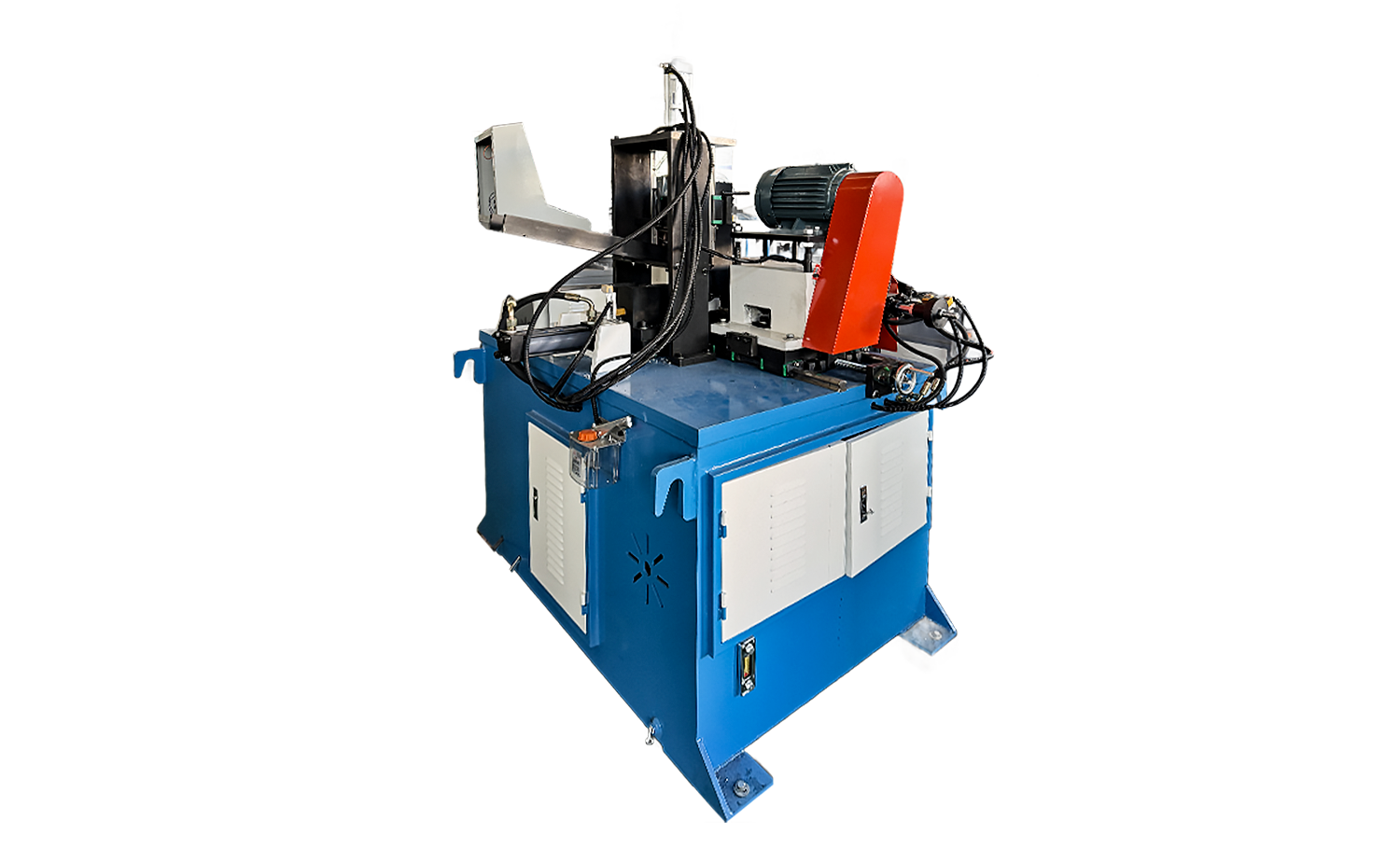
- CNC S Series Fully Automatic Tube Bending Machine with Optional Simulation Function
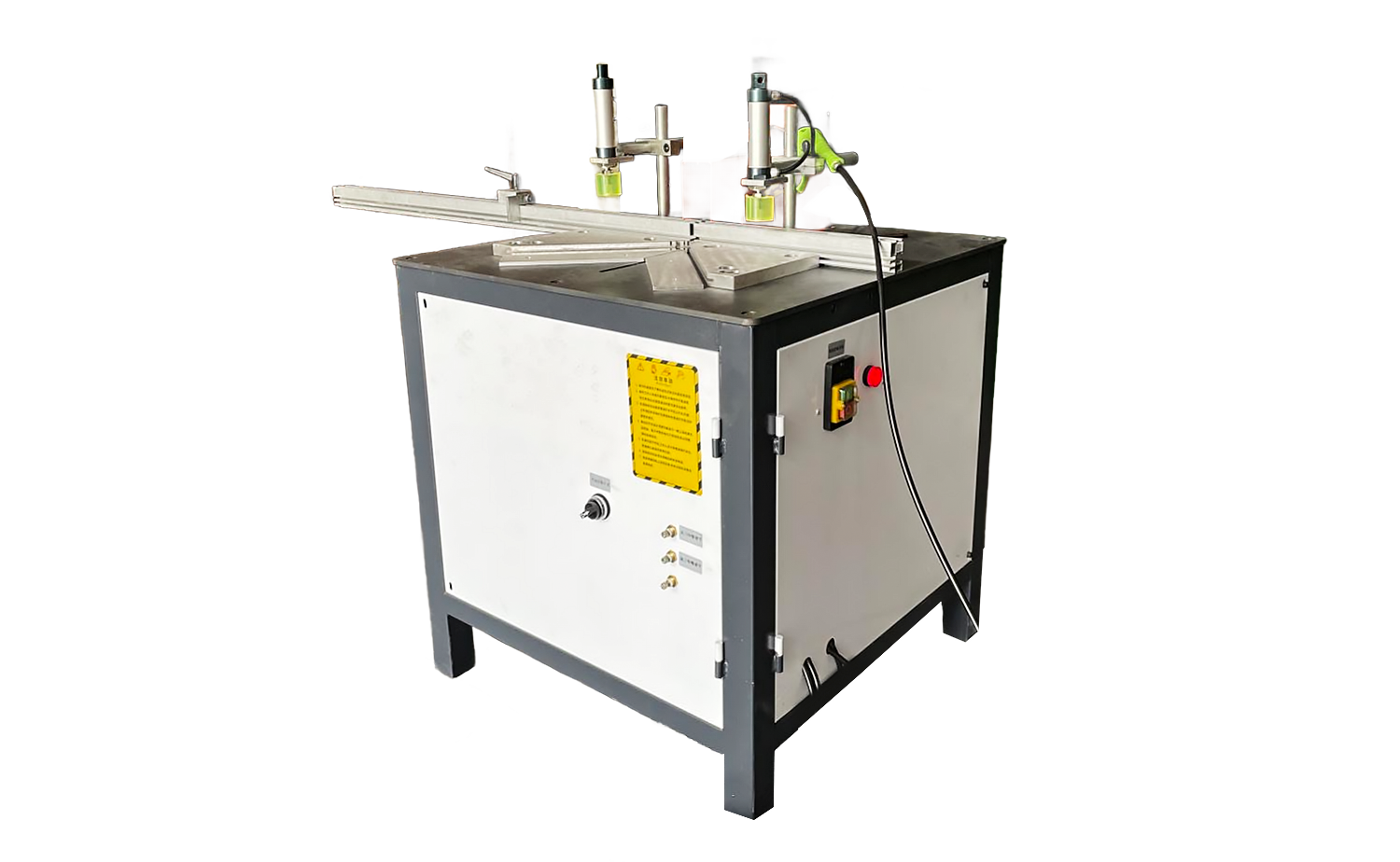
- ES500 Semi-Automatic Aluminum Tube Cutting Machine with Angle Cutting Function
- DEF50PVS Servo Tube Chamfering Machine for Short Metal and PVC Tubes
- DEF80CNC Series High Stability Servo Tube Chamfering Machine
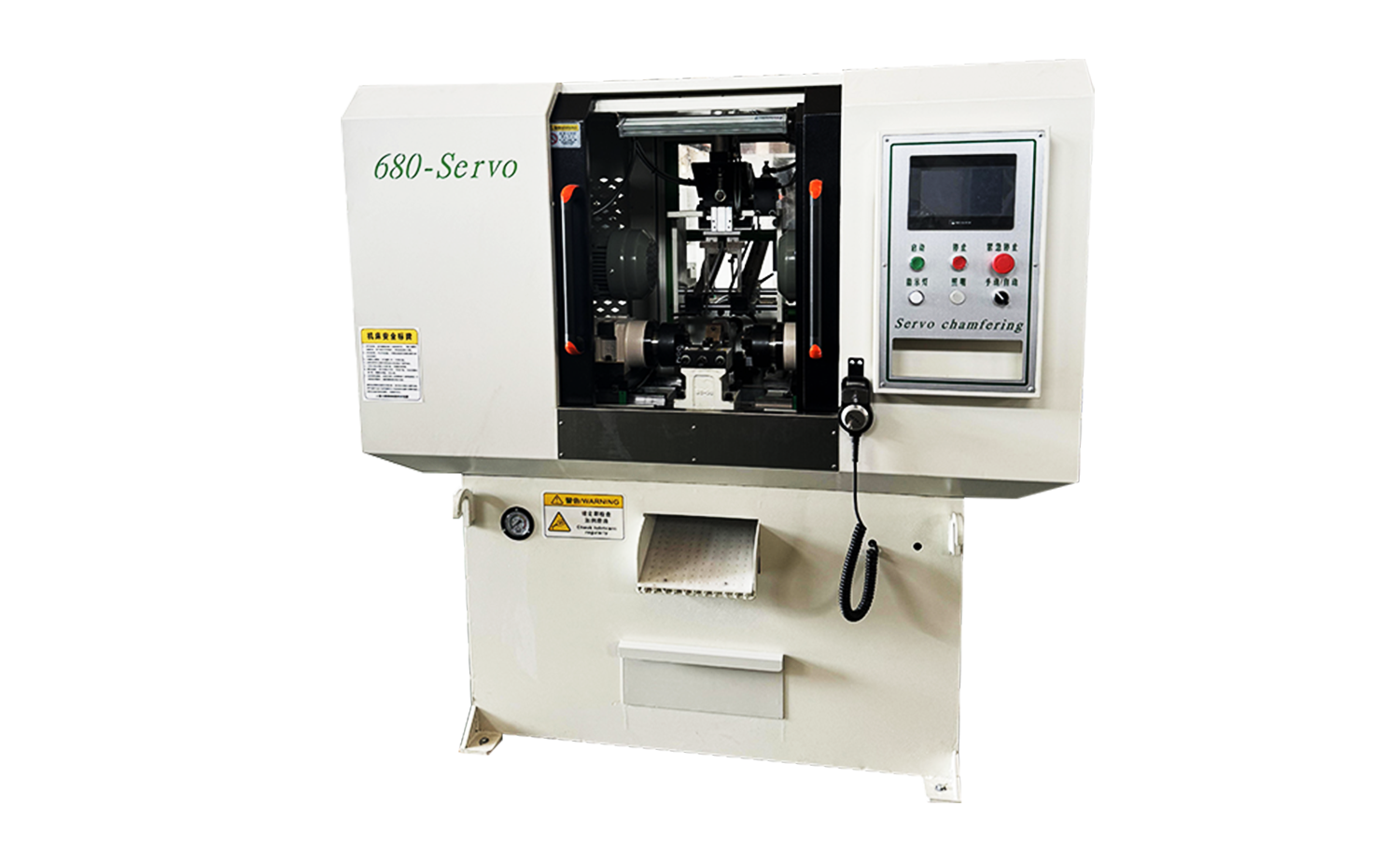
- DEF680CNC Series Fast Speed Servo Double Head Tube Chamfering Machine
Chamfering Machine Function: How It Shapes Clean, Weld-Ready Tube Ends
Date:Nov 25, 2026
Content
- 1 What the Chamfering Machine Function Actually Covers
- 2 The Core Functions, Broken Down
- 3 Chamfering and Deburring: Related, Not the Same
- 4 How the Function Changes With Machine Type
- 5 Material Changes the Function More Than the Brochure Suggests
- 6 Setting Up for a Clean Chamfer
- 7 Where a Clean Chamfer Pays for Itself
- 8 Questions We Hear From the Shop Floor
Walk through almost any tube fabrication shop and you will find a small machine doing a job nobody talks about until it goes wrong. That machine is the chamfering machine, and its function is deceptively simple: it cuts a slanted edge on the end of a tube so the part behaves properly in everything that happens next.
We have spent a long time building tube end processing equipment, and the questions we get from customers are always practical ones. Why does the weld pool wander on one side? Why will the fitting not sit square? Why did a burr slice through a glove? Nine times out of ten, the answer is sitting right at the tube end.
What the Chamfering Machine Function Actually Covers
The function of a chamfering machine is not a single action; it is a small family of actions that happen in one pass. The tool removes material at a defined angle around the tube's outer edge, or around the bore when internal chamfering is required, leaving a conical band between the outside diameter and the end face. On a well-set machine, the same pass squares the end face, breaks the inner edge and clears the burr left behind by the saw.
What you end up with is an end geometry with three measurable features:
- Chamfer angle — the slope of the cut relative to the tube axis, most often 15, 30, 37.5 or 45 degrees depending on the joint design.
- Chamfer width — how far the bevel reaches along the wall, sometimes called the land.
- Face squareness and length — whether the end is perpendicular to the axis and repeatable to the drawing.
Get those three right and the tube fits, welds and seals the way it was designed to. Get them wrong and somebody spends the afternoon reworking parts that should already be finished.
The Core Functions, Broken Down
Edge breaking and burr removal
Every saw-cut tube end carries a raised lip of material where the blade exits. On stainless and thin-wall aluminium that lip can be sharp enough to cut through a glove, and it interferes with clamping in the next operation. A chamfering machine takes it off as part of a controlled cut rather than leaving it to a hand file and a hopeful operator.
Weld preparation
For butt welds, the chamfer creates the bevel that lets the arc reach the root of the joint. A consistent bevel angle, a stable land and a clean end face are what make a full-penetration weld possible without pouring heat into the part. On thin-wall tube the same function reduces burn-through at the joint edge, which is often the difference between a leak-free assembly and a rework pile.
Fit-up, assembly and dimensional control
A chamfer is also a guidance feature. It leads pins, inserts, O-rings and threaded fittings into place instead of letting them catch on a raw edge, and it stops elastomer seals from being shaved during insertion. Many machines also cut to length and chamfer in one clamping, so the finished length is held without a second handling step.
Chamfering and Deburring: Related, Not the Same
These two functions get used interchangeably in conversation, which causes no end of confusion at the quotation stage. Deburring removes the burr. Chamfering removes material to a defined geometry. A deburring machine can break an edge safely, but it cannot hold a 30-degree bevel to a tolerance.
In practice the decision is straightforward. If the only requirement is that the part is safe to handle and will not damage a seal, deburring is enough and usually faster. If a drawing specifies an angle, a land or a weld prep detail, you need a chamfering machine, and the burr disappears as a by-product of the cut.
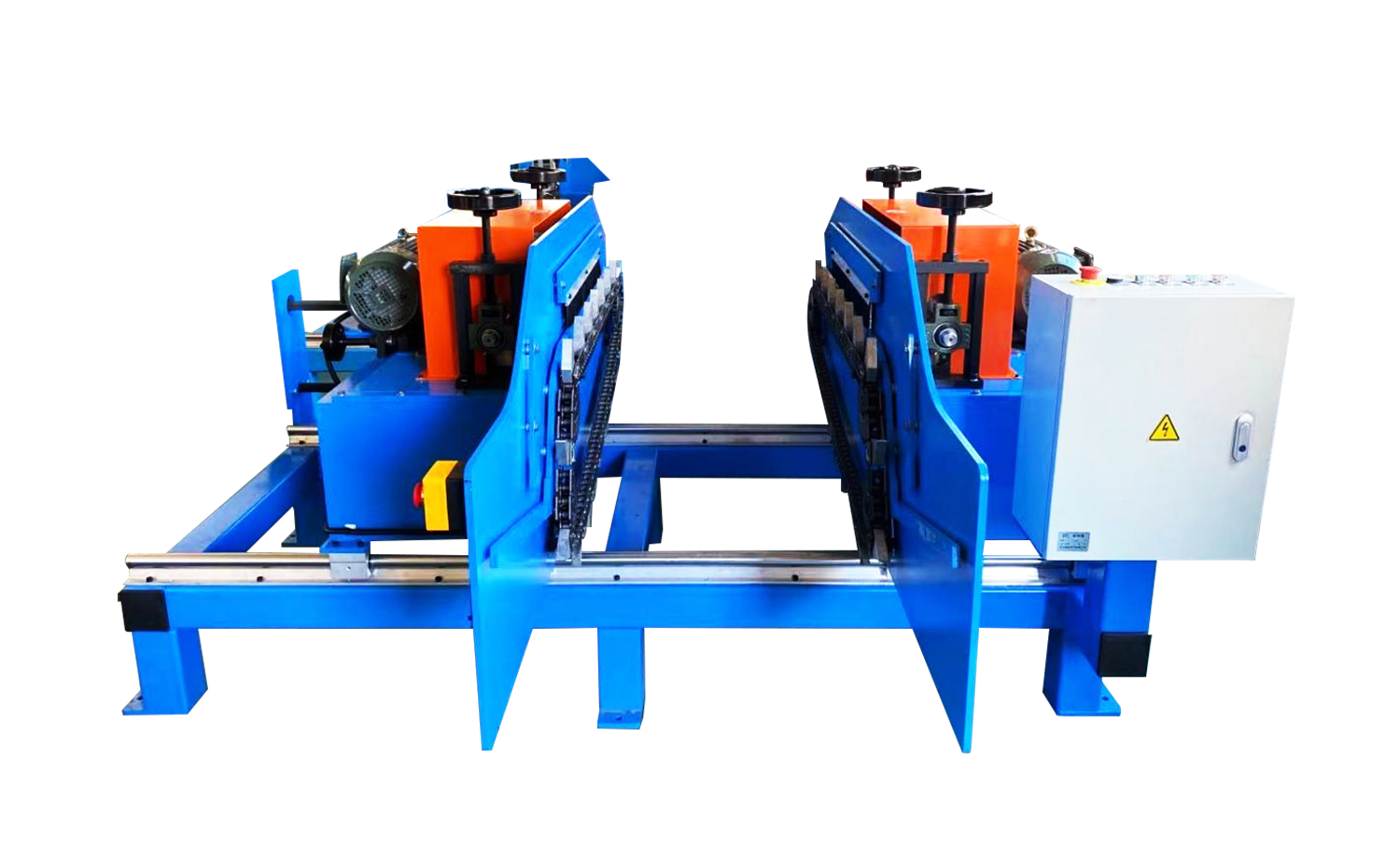 DEF70D Adjustable Speed Tube Deburring MachineFor shops that only need safe, seal-friendly tube ends, this deburring machine handles multiple metals and PVC with adjustable feeding and surface-protecting conveyance.View Product →
How the Function Changes With Machine Type
The tube chamfering machine range splits along two lines: how many ends are worked at once, and how the tool is fed into the part. Neither approach is automatically better; they suit different shops.
| Machine type | How the cut is made | Best suited to | Typical output |
|---|---|---|---|
| Single-head | One blade head, tube presented by hand or fixture | Mixed diameters, small and medium batches | Moderate |
| Double-head | Two heads feed in simultaneously on both ends | Symmetric parts needing both ends chamfered | High |
| Servo / CNC | Servo axes control feed, depth and cycle | Short parts, thin wall, tight repeatability | High and consistent |
| Deburring | Brush or blade passes along the edge | Edge safety after cutting, before assembly | High |
Single-head machines
A single-head machine is the workhorse of a job shop: one head, one end at a time, quick changeover between diameters. If batch sizes move around and tube sizes change daily, this is usually the most sensible starting point.
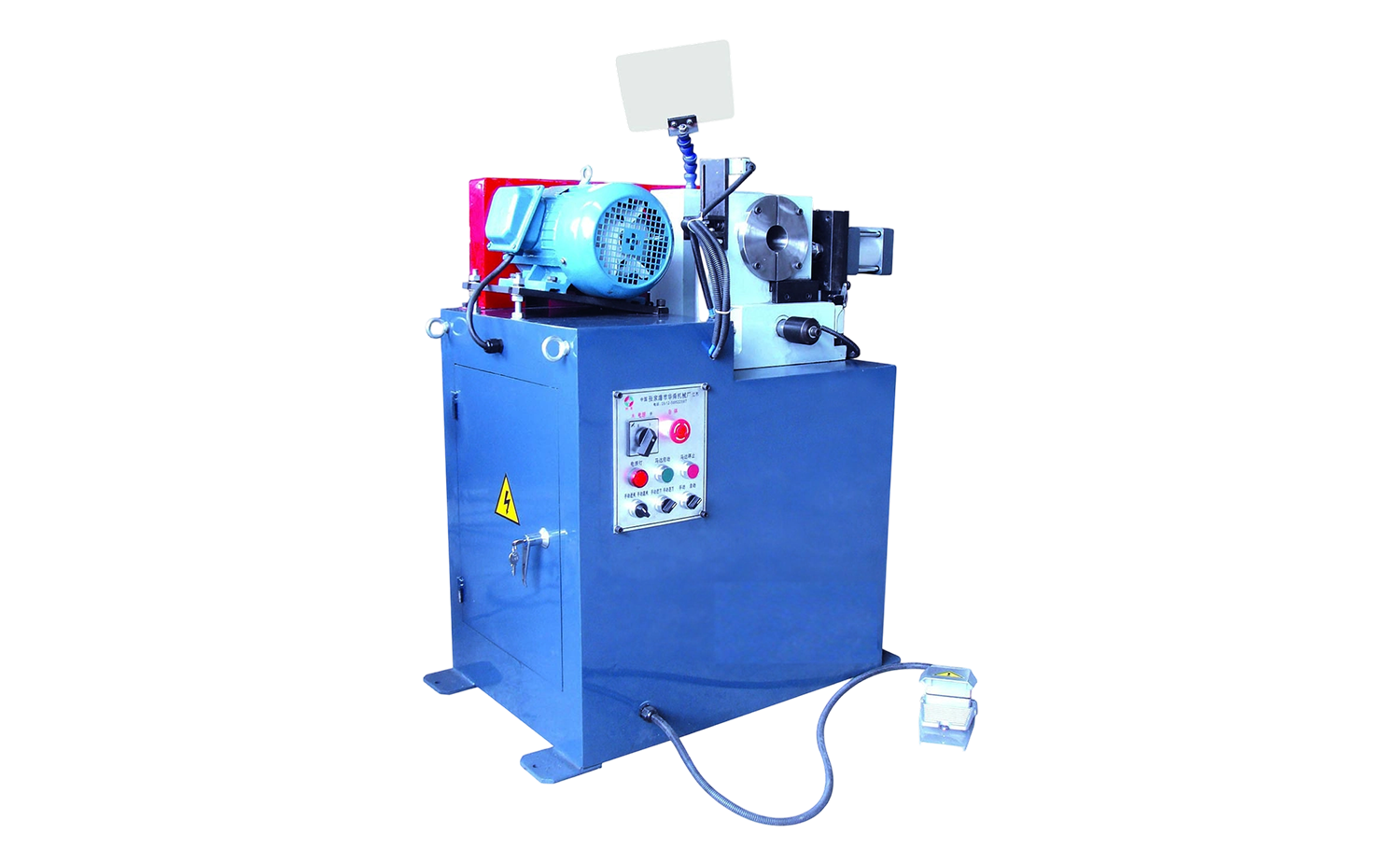 EF AC Series Single-Head Tube Chamfering MachineFor job shops with changing diameters and batch sizes, this semi-automatic single-head machine performs flat, internal and external chamfering with pneumatic feed.View Product →
Double-head machines
When both ends of the same part need a chamfer, working them one at a time doubles the handling and halves the consistency. A double-head machine feeds two heads in at once, so both ends come out identical and the operator handles the part once.
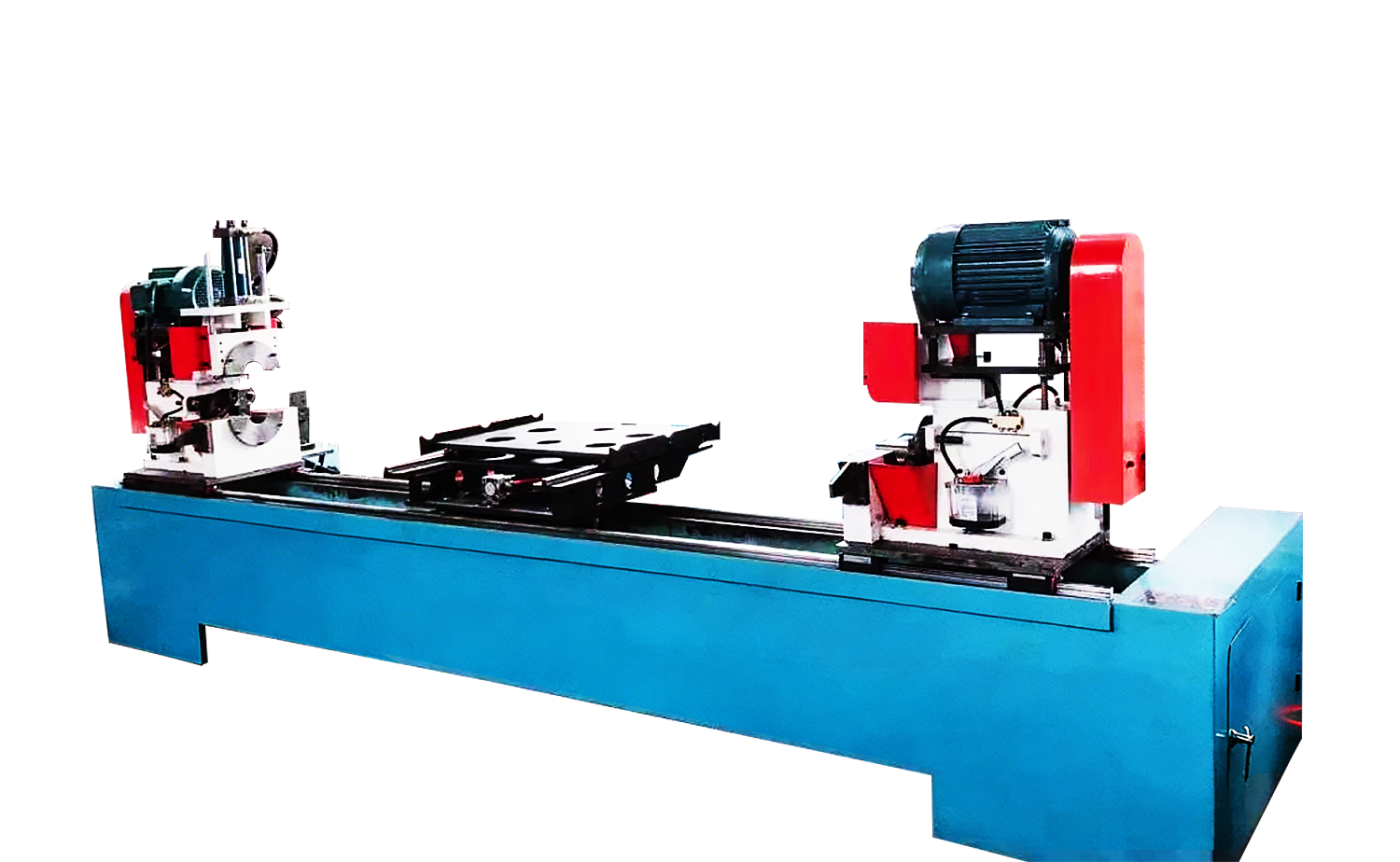 DEF PV Series Double-Head Hydraulic Tube Chamfering MachineFor parts needing both ends chamfered in one handling, this double-head hydraulic machine feeds two heads together for identical ends and consistent output.View Product →
Servo and CNC machines
Servo feed changes what the function can do. Instead of a fixed stroke, the head moves to a programmed depth, which matters for short parts, thin walls and any job where chamfer width is called out on the drawing. It also keeps the cycle repeatable across shifts.
Material Changes the Function More Than the Brochure Suggests
The same machine behaves differently depending on what you feed it, and this is where experience counts more than catalogue numbers.
- Carbon steel is forgiving: standard tooling, moderate speed, and the chip breaks cleanly.
- Stainless steel work-hardens at the cut, so light feeds and sharp tooling keep the surface from hardening under the blade.
- Aluminium tends to stick and gall; polished flutes and a lubricant keep the edge clean.
- Copper and brass cut easily but grab, so watch clamping pressure on thin-wall tube.
- PVC and other plastics need lower speed and a sharp, cool cut, otherwise the edge melts shut again.
Setting Up for a Clean Chamfer
Most chamfer problems trace back to setup rather than the machine itself. The checklist we walk customers through looks like this:
- Check the blade angle against the joint drawing, and confirm whether the angle is measured per side or included.
- Set the depth until the chamfer width matches the print, then lock it; depth creep is the most common cause of inconsistent parts.
- Clamp close to the cut, because overhang lets thin-wall tube deflect and gives you an oval chamfer.
- Match speed and feed to the material, not to the last job that ran on the machine.
- Inspect the blade at the start of each shift, since a worn edge raises burr instead of cutting it away.
Where a Clean Chamfer Pays for Itself
The function looks small on a process sheet, but it sits upstream of almost everything expensive. In automotive manufacturing, chamfered tube ends are what allow consistent fit-up on chassis and fluid lines where weld quality is inspected rather than assumed. In HVAC and data centre work, the chamfer protects seals and gaskets during assembly. In fitness equipment and furniture frames, it is mostly about operators' hands and the powder coat finish. In structural and architectural work, it is about a joint that closes properly instead of showing a gap.
Across all of them the arithmetic is the same. A chamfer takes a few seconds. Rework, a rejected weld or a failed leak test takes considerably longer, and it always seems to happen on the day the truck is waiting.
Questions We Hear From the Shop Floor
Does a chamfering machine also cut tube to length?
Some do, particularly machines built around a combined cut-and-chamfer cycle. Others only work an end that has already been cut. If length tolerance matters to you, decide this early, because it changes the whole fixture design.
What angle should we specify?
Follow the weld procedure or the drawing. Where nothing is specified, 30 to 37.5 degrees included is common for butt weld preparation, while 45 degrees is typical for general edge breaking and assembly chamfers.
The chamfering machine function is one of those quiet pieces of engineering that only becomes visible when it is missing. When the angle, the land and the end face are right, nobody mentions them. The weld runs clean, the fitting seats, the seal survives, and the parts move on. That is probably the best compliment a tube end can get.


Copyright © 2025 Huashun Technology All Rights Reserved.
Custom Precision Tube Forming Machine Manufacturers