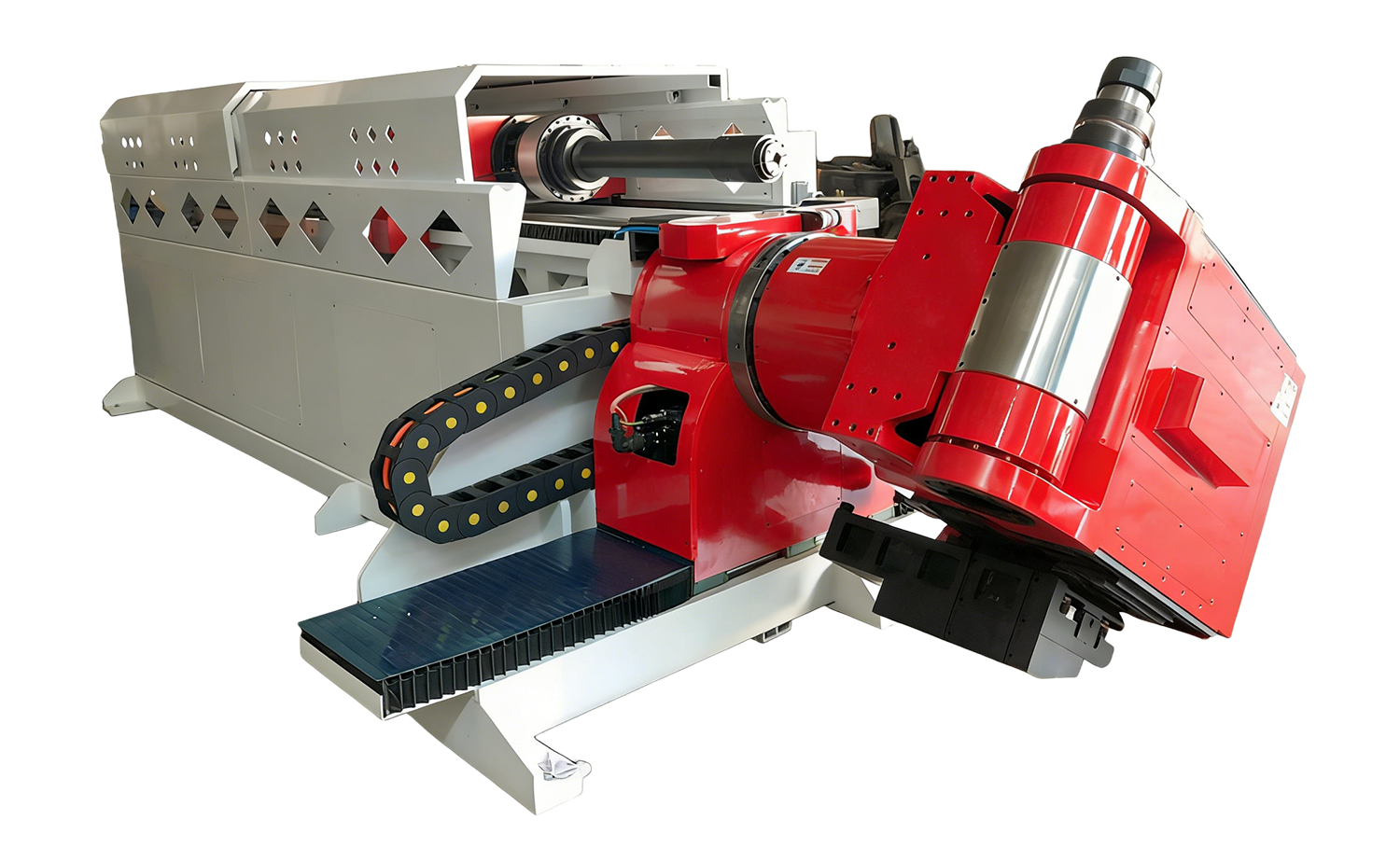
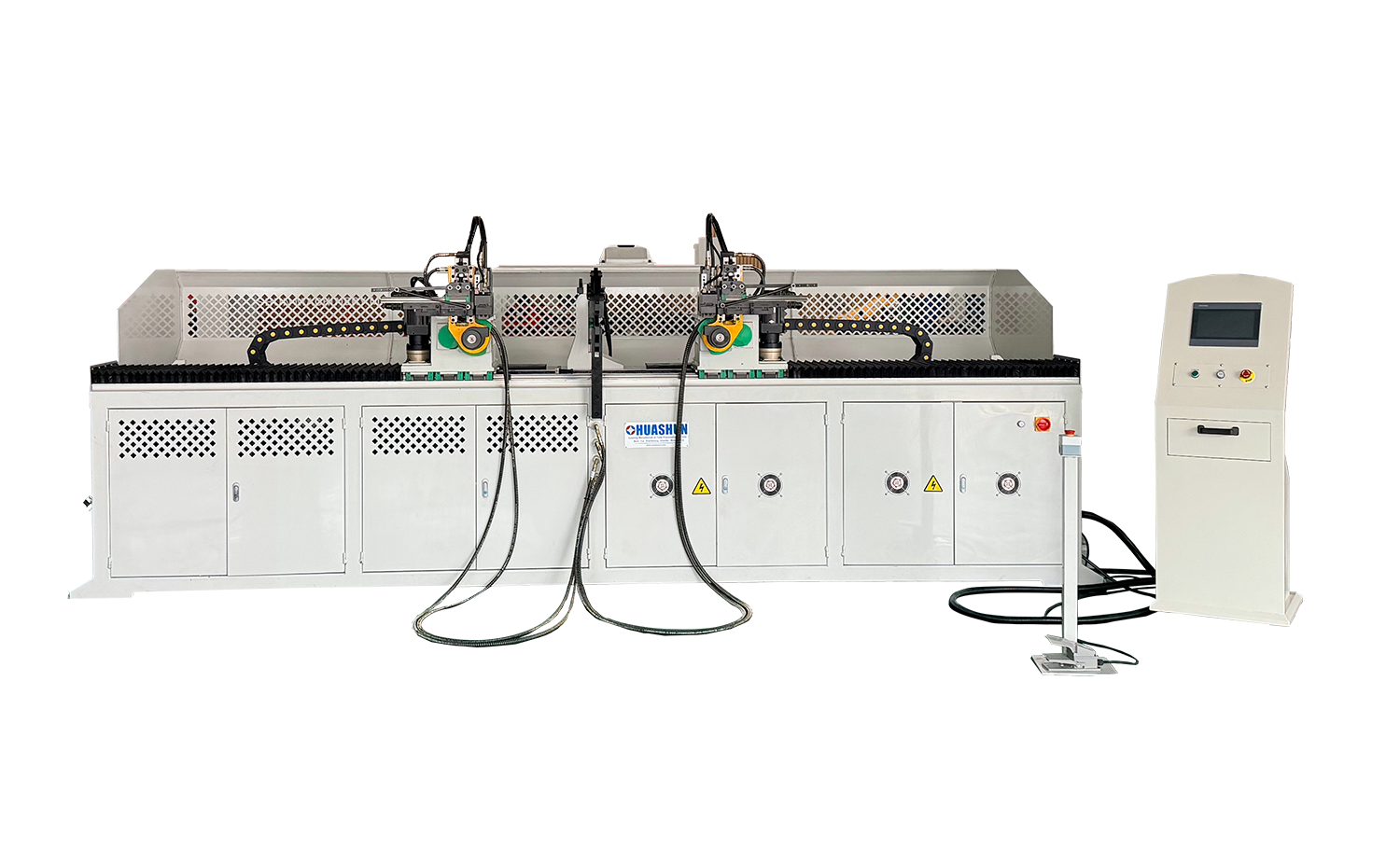
Technical System and Industrial Value of Tube Bending Machine in Modern Manufacturing
Against the backdrop of continuous upgrades in the global industrial manufacturing system, the importance of tube processing equipment has become increasingly prominent. Among them, the Tube Bending Machine, as one of the core pieces of equipment, has evolved from a simple bending tool into a comprehensive industrial system integrating mechanical structure design, material science, automation control, and software algorithms. Whether in automotive lightweight structure manufacturing or in the construction of complex fluid transmission systems, tube bending equipment plays an irreplaceable role, and its performance directly affects product safety, reliability, and overall structural strength.
As manufacturing shifts from “scale-driven” to “technology-driven,” the role of Tube Bending Machines has undergone significant changes. In the past, companies focused more on basic functions, such as whether the machine could complete bending tasks and whether it was durable. Today, the market pays greater attention to precision control capabilities, automation levels, data integration, and long-term operational stability. This transformation requires equipment suppliers not only to possess manufacturing capabilities but also to continuously invest in technology development and system integration.
In this industrial environment, manufacturers with complete production systems are gradually forming competitive advantages. For example, Zhangjiagang HuaShun Machinery Manufacture Co.,Ltd., relying on years of manufacturing experience and continuous introduction of advanced technologies, has gradually built a product system covering a wide range of tube processing equipment. From early single-product manufacturing to a current portfolio of nearly 60 types of machinery, this expansion reflects not only manufacturing strength but also the ability to respond quickly to changes in industry demand.
The technical system of Tube Bending Machines can be understood from multiple dimensions, among which the most critical include mechanical structure design, power system configuration, and control system logic. Mechanical structure determines the rigidity and stability of the machine, forming the foundation for high-precision bending. Especially in small-radius or complex spatial bending, insufficient structural rigidity can amplify errors and affect final product quality.
In terms of power systems, traditional hydraulic systems still play an important role in heavy-duty tube processing due to their high output force and mature structure. However, with increasing demands for energy efficiency and environmental protection, servo motor drives are gradually becoming mainstream. Servo systems enable more precise speed and position control while significantly reducing energy consumption, ensuring stable performance during long-term operation.
The control system is the key to achieving intelligence in Tube Bending Machines. From early relay control to PLC systems and now to full CNC systems, advancements in control technology allow machines to perform complex multi-axis linkage operations. Through programming, operators can easily switch between different products, greatly improving production efficiency.
In actual production, tube bending is not merely a geometric transformation but a complex process involving plastic deformation and stress distribution of materials. Different materials exhibit significant differences during bending, such as springback in stainless steel, surface sensitivity in aluminum alloys, and softness in copper. These factors place higher demands on machine performance. Therefore, manufacturers must fully consider material characteristics during the design stage and continuously optimize parameter models through experimental data.
For end users, selecting the right Tube Bending Machine not only affects production efficiency but also directly impacts product quality and cost control. In this process, experienced suppliers can provide customized solutions, forming a complete support system from equipment selection to process design.
In-Depth Analysis of Core Processes, Structural Design, and Manufacturing Systems of Tube Bending Machine
To fully understand the core value of Tube Bending Machines, it is necessary to systematically analyze them from three levels: process principles, structural design, and manufacturing systems. At the process level, the essence of tube bending is to induce plastic deformation through external force while minimizing defects. This requires precise control of multiple variables, including bending angle, bending radius, feeding speed, and clamping force.
During the bending process, common issues include wrinkling, cracking, and wall thinning. Wrinkling usually occurs on the inner side of the bend, where compressive stress causes material instability if there is insufficient support. To address this, modern machines are typically equipped with anti-wrinkle devices that improve stress distribution. Cracking often occurs on the outer side and is related to insufficient material ductility or excessively small bending radii, requiring optimization of process parameters.
From a structural design perspective, the mold system is one of the most critical factors determining bending quality. The coordination accuracy between bending dies, clamping dies, and guide dies directly affects dimensional consistency. In high-precision applications such as automotive exhaust systems, even minor mold errors can lead to batch rejection, making high-precision mold manufacturing essential.
At the same time, the overall structural layout of the machine must consider operational convenience and maintenance efficiency. For example, modular design enables quick replacement of key components in case of failure, reducing downtime. This design philosophy is becoming increasingly important in modern manufacturing systems.
In terms of manufacturing systems, the processing capability of a factory directly determines equipment quality. Manufacturers equipped with high-precision machining equipment can achieve stricter tolerance control for key components, thereby improving overall machine performance. Zhangjiagang HuaShun Machinery Manufacture Co.,Ltd. has a solid foundation in this regard, with a factory covering approximately 6,000 square meters and equipped with two machining centers, six lathes, one boring machine, and twelve drilling machines, enabling a complete process from rough machining to precision finishing.
Moreover, diversified equipment production capabilities reflect strong comprehensive strength. From pipe cutters to pipe reduction machines, from chamfering machines to rounding machines, and including core tube bending equipment, a complete tube processing ecosystem has been formed. This systematic layout allows customers to obtain multiple equipment solutions from a single manufacturer, improving overall production efficiency.
Technology introduction also plays a crucial role in upgrading manufacturing systems. By collaborating with advanced manufacturers, companies can quickly absorb mature experience and implement localized improvements. Zhangjiagang HuaShun Machinery Manufacture Co.,Ltd. has collaborated with a well-known Taiwanese tube bending machine manufacturer, introducing advanced engineering technologies and continuously optimizing designs to meet diverse market needs.
This combination of “technology introduction and independent innovation” enables companies to maintain cost advantages while continuously improving technical levels. In an increasingly competitive global environment, this capability becomes a key support for sustainable development.
In addition, quality control systems run throughout the entire manufacturing process. From raw material selection to final assembly, every stage requires strict inspection. Especially for critical components such as spindles, guide rails, and hydraulic systems, even minor deviations can be amplified during long-term operation, necessitating multiple inspection methods.
For suppliers, establishing a stable and reliable quality system not only enhances product reputation but also reduces after-sales maintenance costs. In practice, equipment stability is often more important than initial price, which is why many customers prefer experienced manufacturers.
Global Application Trends, Market Demand, and Service System Expansion of Tube Bending Machine
With changes in the global manufacturing landscape, the application scope of Tube Bending Machines continues to expand, and market demand is becoming increasingly diversified. In the automotive industry, the rise of new energy vehicles has driven the trend toward lightweight design, placing higher demands on tube processing precision. Complex pipeline structures require high-precision bending equipment, driving continuous demand for advanced CNC tube bending machines.
In the construction and decoration sectors, tube bending technology is used not only for structural support but also for aesthetic design. Curved metal structures are becoming more common, requiring greater flexibility from equipment. Meanwhile, in the energy sector, complex pipeline layouts also depend on high-performance bending equipment to ensure operational safety.
From a regional perspective, demand varies significantly. European and American markets emphasize precision, automation, and long-term stability, while emerging markets focus more on cost-effectiveness and durability. This diversity drives manufacturers to continuously adjust product strategies to meet different customer needs.
In this context, brand development has become an important direction for enterprise growth. Establishing international brands helps companies expand overseas markets and enhance competitiveness. The launch of the AIKE brand represents a global strategic extension based on long-term manufacturing accumulation. The brand emphasizes not only equipment performance but also the improvement of service systems, ensuring continuous support for customers.
A well-developed service system is crucial for equipment suppliers. As Tube Bending Machines are high-value assets, installation, commissioning, training, and maintenance all require professional support. Manufacturers with global service capabilities can provide localized support through service networks, improving customer satisfaction.
Within after-sales service systems, spare parts supply and technical support are two key elements. Timely replacement of parts reduces downtime, while professional technical guidance helps customers optimize production processes and improve equipment utilization. These service capabilities often become important criteria when customers select suppliers.
At the same time, the introduction of digital technologies is transforming service models. Through remote monitoring systems, manufacturers can access real-time equipment data, identify potential issues in advance, and perform maintenance. This predictive maintenance model improves reliability and reduces costs.
Looking ahead, Tube Bending Machines will continue to evolve toward higher precision, efficiency, and intelligence. As new materials and processes emerge, equipment must continuously upgrade to meet new application requirements. For manufacturers, continuous technological investment and market insight will determine their position in the industry.
For end users, choosing a supplier with strong manufacturing capability, technical expertise, and service systems will be essential for ensuring stable production and enhancing competitiveness. In this context, companies like Zhangjiagang HuaShun Machinery Manufacture Co.,Ltd., with solid production foundations and accumulated technical experience, will continue to play an important role in the global market.
FAQ
1. What types of tubes can a Tube Bending Machine process?
Common materials include carbon steel, stainless steel, aluminum alloys, and copper, each requiring specific process parameters.
2. How to choose the right tube bending equipment?
It depends on production scale, precision requirements, and budget considerations.
3. How to reduce deformation during bending?
By optimizing mold design and adjusting process parameters.
4. What applications are CNC tube bending machines suitable for?
They are suitable for high-precision, large-volume, and complex tube processing tasks.
5. What are the key points of machine maintenance?
Regular inspection of hydraulic systems, lubrication systems, and critical components is essential.
6. What are the advantages of Zhangjiagang HuaShun Machinery Manufacture Co.,Ltd.?
It has a comprehensive manufacturing system and a diverse product line to meet various market needs.
7. What are the main features of the AIKE brand?
It targets international markets and combines manufacturing expertise with a global service approach.


 English
 русский
 Español