
 English
 русский
 Español
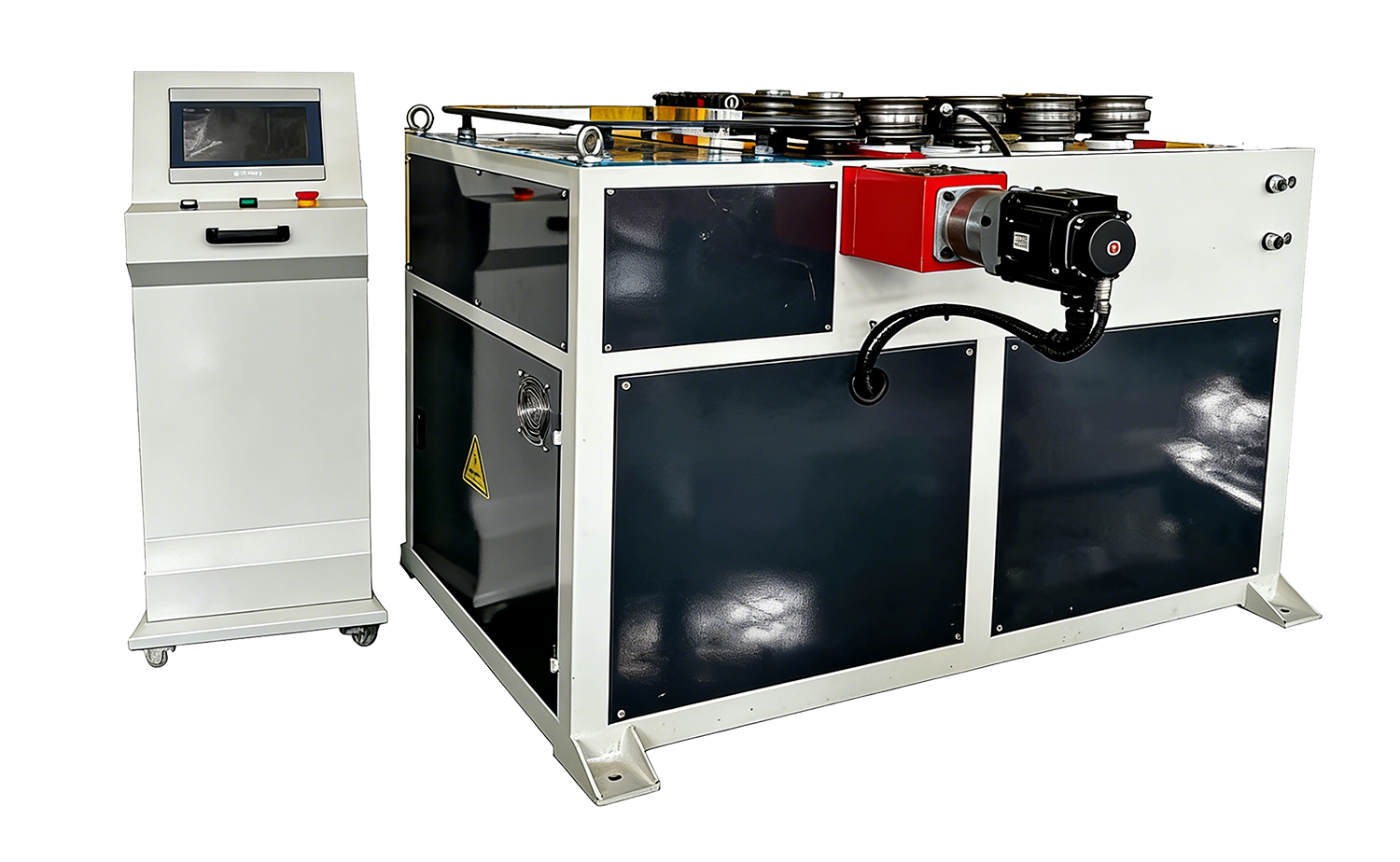
- GY S Shape Series Round Tube Rolling Machine
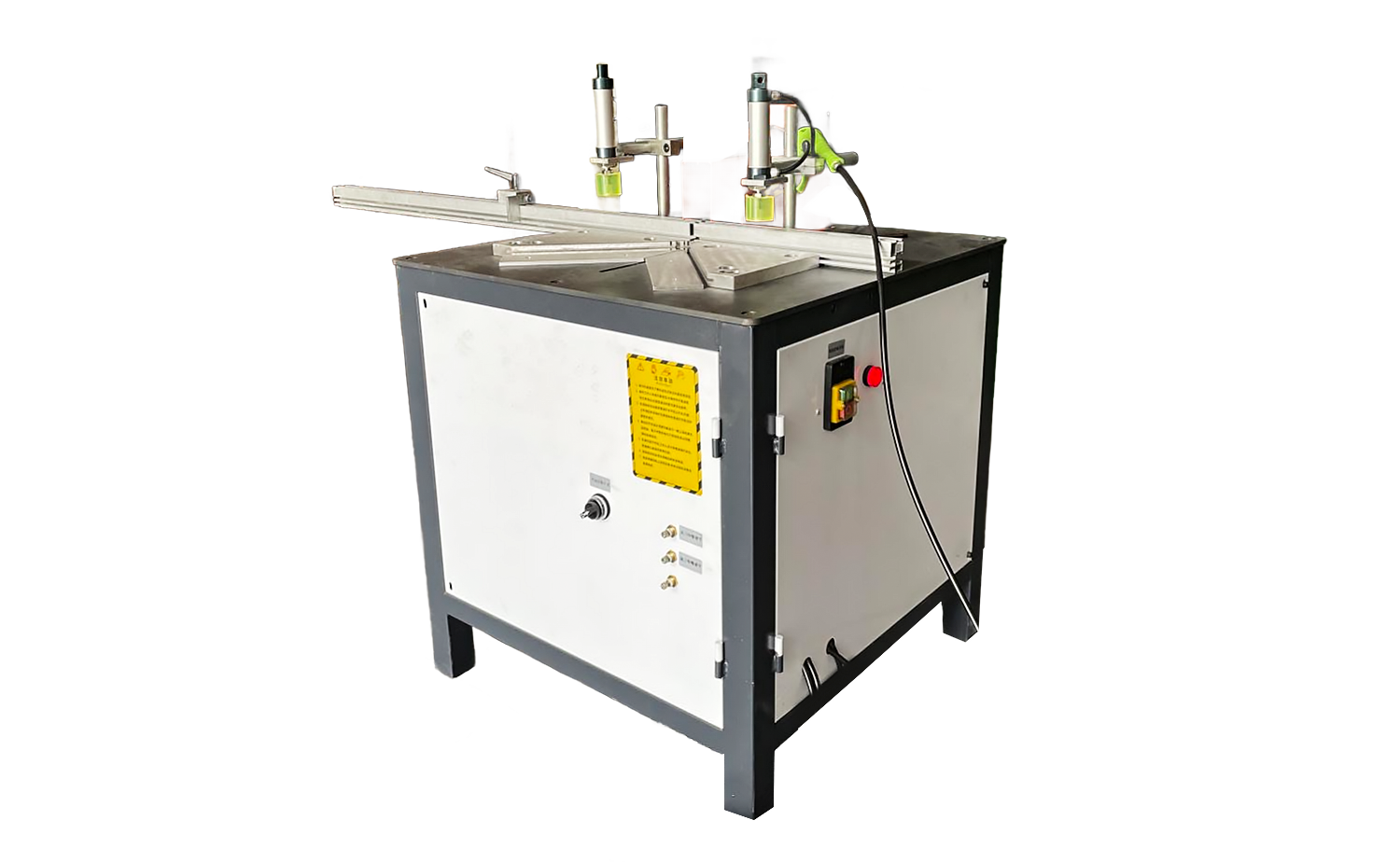
- ES500 Semi-Automatic Aluminum Tube Cutting Machine with Angle Cutting Function
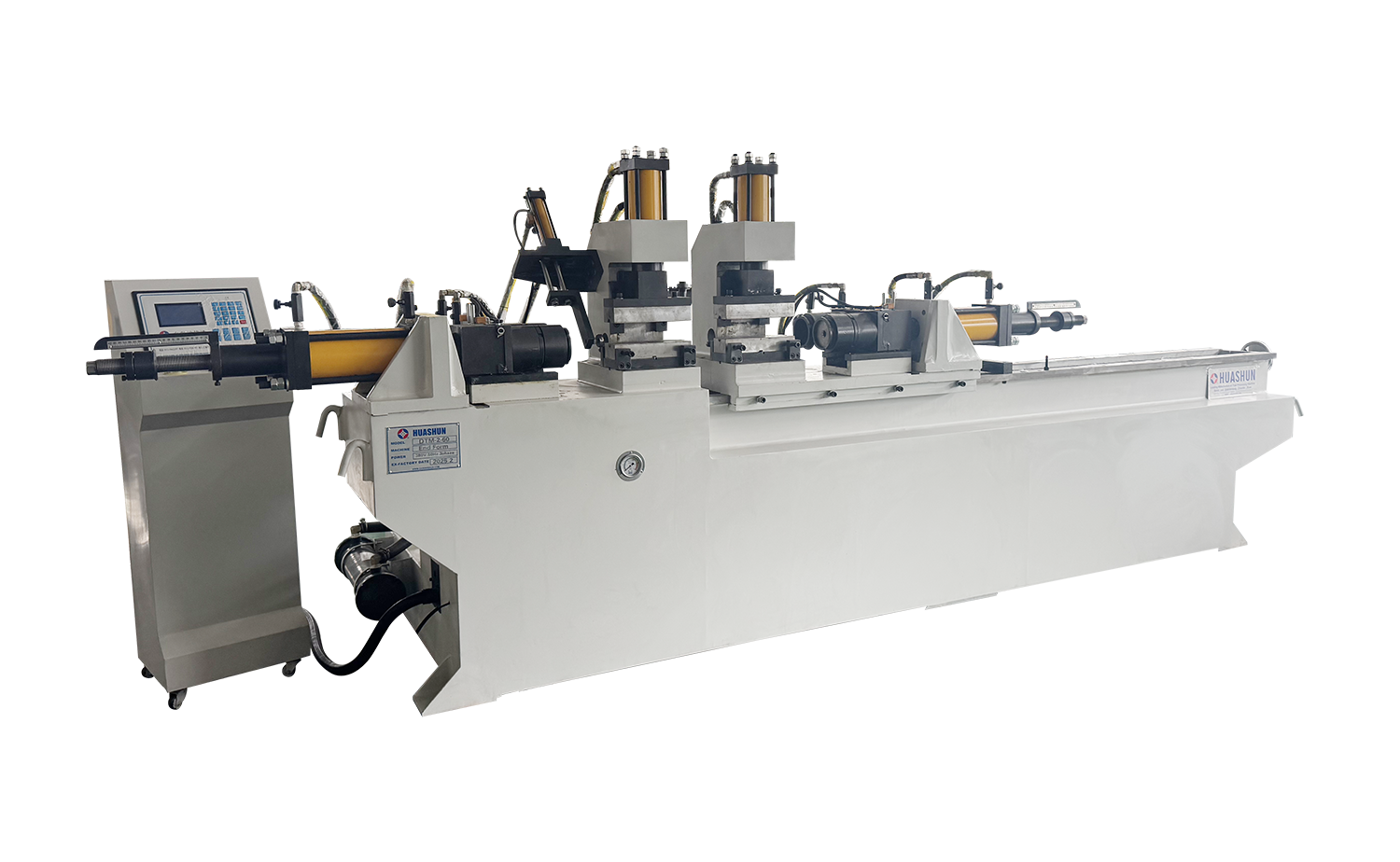
- DTM40 High Efficiency Double Head Hydraulic Tube End Forming Machine
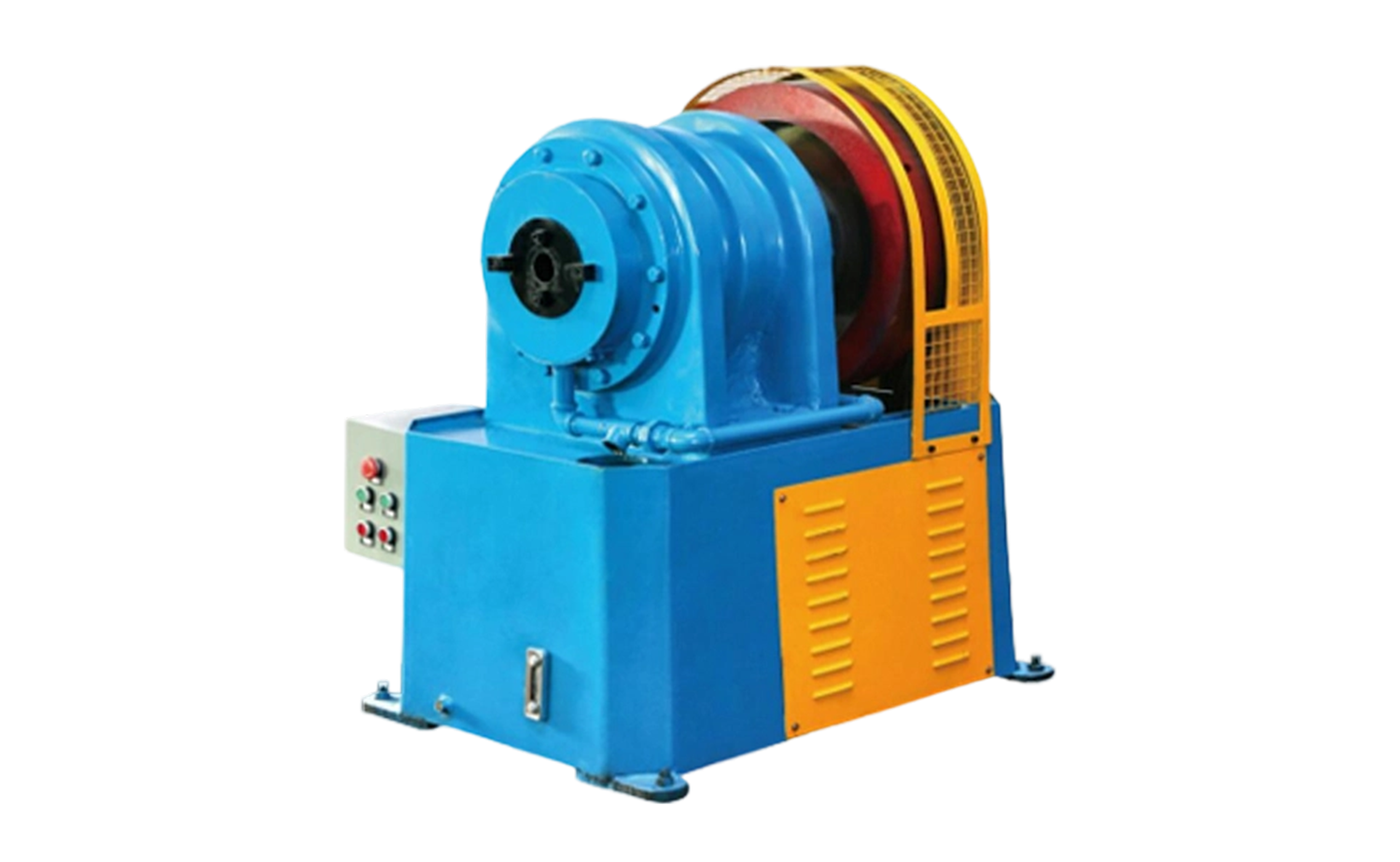
- ZTM-50/60/76/114 Multi-Material Applicable Semi-Automatic Taper Tube Reducing Machine
- AZTM-50/76 Automatic CNC Metal Tube End Shrink & Tapering Machine
- TM-S-40/60/80 High Efficiency Automatic Tube Sealing Machine
What Is a Boiler Tube Rolling Machine?
Date:May 20, 2026
Content
- 1 How a Tube Rolling Machine Works
- 2 Types of Boiler Tube Rolling Machines
- 3 Selecting the Right Tube Expander
- 4 Step-by-Step Tube Rolling Procedure
- 5 Tube Materials and Their Rolling Characteristics
- 6 Common Faults and How to Avoid Them
- 7 Maintenance of Tube Rolling Equipment
- 8 Applicable Codes and Standards
In industrial boiler fabrication and maintenance, the integrity of every tube-to-tubesheet joint is critical to safe, long-term operation. The boiler tube rolling machine — also called a tube expander or tube roller — is the precision tool that creates these leak-proof mechanical joints. Understanding how these machines work, which type to choose, and how to operate them correctly separates a reliable installation from a costly, dangerous failure.
These machines are indispensable in the manufacture and maintenance of fire-tube boilers, water-tube boilers, heat exchangers, condensers, and pressure vessels. A correctly rolled tube joint can withstand the extreme thermal cycling, vibration, and pressure differentials inherent in industrial boiler operation — often lasting the full service life of the equipment without re-rolling.
The rolling process achieves two simultaneous outcomes: it seals the tube against fluid leakage, and it mechanically locks the tube in place against pull-out forces generated by thermal expansion and system pressure.
How a Tube Rolling Machine Works
The fundamental operating principle is radial plastic deformation. The tube expander is inserted into the tube end, which is positioned inside the tubesheet hole. As the mandrel rotates, tapered rollers ride on the mandrel's taper and are forced outward radially, pressing the tube wall against the tubesheet bore. The tube undergoes plastic deformation while the tubesheet remains elastically stressed, creating a residual compressive grip — the tighter the thermal expansion differential, the stronger the resulting joint.
Critical concept — over-rolling: The most common rolling error is expanding the tube wall too far. Over-rolling thins the tube wall beyond acceptable limits, reduces the contact stress between tube and tubesheet, and can cause premature joint failure. Modern torque-controlled rolling machines prevent this by automatically stopping at a preset torque value.
Main Components
-
Mandrel Tapered drive shaft that forces the rollers outward as it advances into the cage
-
Rollers 3–5 hardened steel rollers that contact and deform the tube wall radially outward
-
Cage / Body Houses and positions the rollers at precise angular spacing around the mandrel
-
Drive Motor Electric or pneumatic motor providing controlled rotational torque to the mandrel
-
Torque Limiter Clutch mechanism that disengages the drive at a preset torque to prevent over-rolling
-
Feed Screw Controls the axial advancement of the mandrel to set rolling depth and length
Types of Boiler Tube Rolling Machines
The tube rolling machine market offers several distinct configurations. Selecting the right type depends on tube dimensions, material, access constraints, volume, and the precision required by the applicable code.
01 Most Common
Electric Torque-Controlled Expander
The industry standard for boiler shop and field work. An electric motor drives the mandrel; a torque clutch stops expansion at a pre-set value. Offers consistent, repeatable results independent of operator skill.
02 Field / Portable
Pneumatic Tube Expander
Air-driven expander ideal where electricity is unavailable or explosion-proof environments are required. Lighter than electric models. Common in power plant maintenance and shipboard boiler repair.
03 Manual
Hand-Operated Ratchet Expander
A T-handle ratchet tool for low-volume or tight-access applications. Relies entirely on operator feel to judge expansion. Suitable for light-duty heat exchangers and maintenance jobs.
04 High Precision
Electronic / Digital Expander
Integrates digital torque sensing and often data-logging. Records expansion parameters for every tube joint — essential for nuclear, pharmaceutical, and critical-service heat exchanger fabrication.
05 Thin Wall
Hydraulic Tube Expander
Uses fluid pressure rather than mechanical rollers. Provides extremely uniform, stress-free expansion across the full tube length. Preferred for titanium, duplex stainless, and thin-walled tubes.
06 Production
CNC / Automated Rolling Machine
Fully automated systems with robotic positioning. Used in high-volume heat exchanger manufacturing. Eliminates operator variability and provides 100% traceability per joint.
Selecting the Right Tube Expander
The expander tooling itself — the roller cage and mandrel set — must be matched precisely to the tube and tubesheet specifications. Using an incorrectly sized expander produces either under-rolling (leaks) or over-rolling (thinned walls). The following table summarizes the key selection criteria:
| Parameter | What to Measure | Impact on Selection | Notes |
|---|---|---|---|
| Tube OD | Outside diameter of tube | Sets expander nominal size | Verify actual vs. nominal — tolerances vary |
| Tube Wall Thickness | Micrometer measurement | Determines mandrel taper angle | Heavy-wall tubes need lower taper ratios |
| Tubesheet Thickness | Drawing or direct measure | Sets rolling length and depth | Roll should terminate 3–6mm from back face |
| Tubesheet Hole Diameter | Go/no-go gauge or bore gauge | Defines required expansion amount | TEMA/ASME clearances define acceptable range |
| Tube Material | Material certificate / spec | Affects torque setting | Stainless and alloys need higher torque |
| Tube Pitch / Ligament | Tubesheet drawing | Clearance for tool body | Narrow pitch may require slimline cage design |
Roller Count: 3-Roller vs. 5-Roller
Three-roller expanders are the most common — lighter, less expensive, and adequate for most boiler tube sizes. Five-roller designs distribute the expanding force more evenly around the tube circumference, reducing ovality in the expanded zone. For large-diameter or thin-walled tubes in critical service, a 5-roller tool is strongly preferred.
Step-by-Step Tube Rolling Procedure
Successful tube rolling is a disciplined process. Skipping preparatory steps is the most common cause of joint failures that only manifest under thermal cycling after the boiler is commissioned.
-
Inspect and Prepare the Tubesheet Holes
Clean all tubesheet holes with a bore brush and solvent to remove mill scale, oxidation, grease, and machining swarf. Check each hole diameter with a calibrated bore gauge and confirm it falls within the drawing tolerance. Any out-of-round holes must be reamed before rolling.
-
Inspect and Prepare the Tube Ends
Tubes must be clean, round, and free of scale or drawing lubricant on the section that will be expanded. Wipe the tube OD with acetone or MEK in the expansion zone. Check for ovality with a micrometer — tubes more than 0.1mm out-of-round should be rejected before installation.
-
Select and Set Up the Correct Expander
Choose the expander size for the tube OD and wall thickness combination. Verify the rolling length by setting the stop collar depth on the mandrel. Lubricate the rollers and mandrel taper with a light machine oil or roller lubricant — never use grease, which attracts swarf.
-
Set the Torque Clutch Value
Calculate the required torque setting based on the tube material, wall thickness, and target expansion ratio. Reference the manufacturer's torque chart or use the formula: Wall Reduction % = (T1 – T2) / T1 × 100. Most boiler codes require 5–8% wall reduction. Set the clutch slightly below the calculated value and perform a trial roll on a test piece.
-
Insert the Expander and Initiate Rolling
Insert the loaded expander into the tube end until the cage is positioned within the tubesheet bore at the correct depth. Apply steady axial pressure against the tube end with the drive motor. Allow the motor to run until the torque clutch disengages — do not apply additional downward force.
-
Reverse and Extract the Expander
Reverse the motor rotation to retract the mandrel from the cage. Withdraw the expander from the tube. Inspect the rolled zone visually for uniformity — a correctly rolled tube shows a smooth, bright surface with no roller marks, chatter, or stepped transitions.
-
Measure and Verify the Expansion
Use a calibrated internal micrometer or tube wall thickness gauge to verify the achieved wall reduction. Record the measurement. Compare against the required specification. Reject and re-evaluate any joints outside tolerance before proceeding to hydrostatic testing.
-
Bell-Mouth or Flare the Tube End (if required)
Many boiler codes and design standards require the tube end to be flanged (bell-mouthed) slightly beyond the tubesheet face after rolling. This adds mechanical resistance to pull-out and is achieved with a separate bell-mouthing tool or the flaring attachment on the same expander.
Critical warning — expansion depth: The rolling zone must not extend beyond the back face of the tubesheet. Rolling too deep causes the tubesheet ligament between adjacent holes to yield plastically, deforming the tubesheet and potentially cracking adjacent joints. Always set the stop collar depth carefully before rolling any joint.
Tube Materials and Their Rolling Characteristics
Different tube alloys respond differently to the rolling process. The key variable is the material's yield strength and work-hardening rate. Higher-strength or rapidly work-hardening alloys require higher torque settings and more careful control of the expansion ratio to avoid under- or over-rolling.
| Material | Relative Rolling Difficulty | Typical Wall Reduction | Special Considerations |
|---|---|---|---|
| Carbon Steel (SA-178A) | Easy | 5–7% | Most common; straightforward torque settings |
| Low Alloy Steel (SA-213 T11/T22) | Moderate | 5–7% | Higher yield — increase torque setting by ~15% |
| Stainless Steel (304/316) | Moderate | 4–6% | Work-hardens rapidly — avoid re-rolling same joint |
| Duplex Stainless (2205) | Difficult | 3–5% | Very high yield strength; hydraulic expansion preferred |
| Copper / Admiralty Brass | Easy | 6–8% | Soft — risk of over-rolling; use lower torque settings |
| Titanium Grade 2 | Difficult | 3–5% | Spring-back is significant — hydraulic expansion strongly preferred |
Common Faults and How to Avoid Them
Tube rolling failures are predictable and largely avoidable. The following are the most frequently encountered problems in boiler tube rolling operations, along with their root causes and preventive measures.
- Leaking Joint After Hydrostatic Test: Almost always caused by under-rolling (insufficient wall reduction) or dirty tubesheet holes. Increase torque by 5%, ensure holes are clean, and verify the expander is correctly sized for the tube/hole combination.
- Rolled Zone Shows Chatter Marks: Caused by worn or pitted rollers, insufficient lubrication, or incorrect roller-to-mandrel fit. Replace rollers immediately — chatter marks create stress risers that initiate fatigue cracks under thermal cycling.
- Tube Wall Thinned Excessively (Over-Rolling): Torque setting too high, or operator continued rolling after clutch disengagement. The joint must be condemned and the tube replaced — a thinned tube cannot be recovered by re-rolling.
- Tubesheet Deformation Between Adjacent Holes: Rolling depth exceeded the back face of the tubesheet. Always set the stop collar depth on the mandrel before beginning work and verify with a depth gauge.
- Tube End Cracking at Bell-Mouth: Tube material work-hardened before flaring, or flaring tool radius too sharp. Anneal tube ends before flaring when working with work-hardening alloys such as austenitic stainless steel.
- Inconsistent Torque Readings Across Joints: Variation in tubesheet hole diameter, tube OD tolerance, or roller wear. Measure every 10th hole with a bore gauge and replace rollers every 200–300 joints in production work.
- Tube Pulled Out During Thermal Cycling: Incorrect expander type for the application — joint relied on friction alone without adequate bell-mouthing or groove locking. Review the joint design and applicable code requirements.
Maintenance of Tube Rolling Equipment
Rolling machines and expander tooling are precision instruments. Negligent maintenance directly translates into inconsistent joints. A structured maintenance schedule is not optional on code-governed pressure vessel work.
| Interval | Task | Remarks |
|---|---|---|
| Before each use | Inspect rollers and mandrel taper for wear, pitting, or flat spots | Replace rollers if any wear marks are visible under 10× loupe |
| Before each use | Verify torque clutch setting against calibration record | Do not rely on the setting dial alone — verify with a torque analyzer |
| Every 50 joints | Clean and re-lubricate mandrel taper and rollers | Use manufacturer-specified rolling oil — not grease |
| Every 200–300 joints | Replace roller set | Keep a log of joints rolled per tool set |
| Monthly | Calibrate torque clutch on certified torque tester | Document calibration certificate with job records |
| Monthly | Inspect drive motor brushes and connections (electric models) | Erratic motor behavior causes torque variability |
| Annually | Full motor overhaul and bearing inspection | Send to authorized service center; do not self-service on code work |
Roller Storage and Handling
Store roller sets in labeled, padded cases — never loose in a toolbox. Even microscopic surface damage from impact will transfer to the tube surface and reduce joint quality. Keep rollers and mandrels as matched sets; mixing components from different wear states produces unpredictable expansion results.
Applicable Codes and Standards
Boiler tube rolling is governed by several overlapping national and international standards, depending on the jurisdiction and application. Fabricators and maintenance contractors must identify the applicable code before defining the rolling procedure.
- ASME Boiler and Pressure Vessel Code (BPVC), Section I: Governs power boilers in North America. Defines acceptable joint types, expansion requirements, and inspection criteria for tube-to-tubesheet joints.
- ASME BPVC Section VIII, Division 1: Covers unfired pressure vessels and heat exchangers. Appendix A details expanded tube joint design and testing requirements.
- TEMA Standards (Tubular Exchanger Manufacturers Association): The primary reference for heat exchanger tube-to-tubesheet clearances and expansion tolerances in three classes (R, C, and B).
- EN 13445 (European Unfired Pressure Vessels Standard): European code equivalent to ASME VIII. Provides expansion joint design rules and inspection requirements.
- BS EN 12952 (Water-Tube Boilers): UK and European standard for water-tube boiler construction, including tube joint requirements.
- AWS D1.1 / EN ISO 15614: While primarily welding standards, these are often referenced in combination with tube rolling for weld-and-expand joints.
Qualified procedure requirement: Most pressure vessel codes require that tube rolling be performed to a written, qualified procedure (similar to a Welding Procedure Specification). The procedure must document tube and tubesheet material, hole diameter range, tube OD and wall thickness range, expander type and size, torque setting, target wall reduction, and inspection method. Operators performing rolling on code work are often required to demonstrate qualification on test specimens before production work begins.
The boiler tube rolling machine is a deceptively simple tool that demands a rigorous approach to produce consistently reliable joints. Correct tool selection, proper preparation of tube and tubesheet surfaces, disciplined torque control, and thorough post-rolling inspection are the four pillars of quality tube rolling work.
Whether you are fabricating a new industrial boiler, re-tubing a fire-tube package boiler, or maintaining a critical heat exchanger, investing in quality rolling equipment — and understanding how to use it correctly — directly determines the safety and longevity of the completed assembly. No amount of hydrostatic testing compensates for a fundamentally poor rolled joint.
As digital and torque-controlled rolling technology continues to advance, the margin for operator error narrows further, making it easier than ever to produce code-compliant, traceable joints on every tube — provided the fundamentals outlined in this guide are consistently applied.


Copyright © 2025 Huashun Technology All Rights Reserved.
Custom Precision Tube Forming Machine Manufacturers